Why Drawing Takeoffs Are a Bottleneck
If you’ve ever worked on a bid for a mid-sized commercial project, you know the drill. Someone pulls up the drawings, calibrates the scale, and starts tracing — room by room, wall by wall, beam by beam. It’s tedious work. This manual process can take significant time and effort, often requiring multiple estimators to complete.
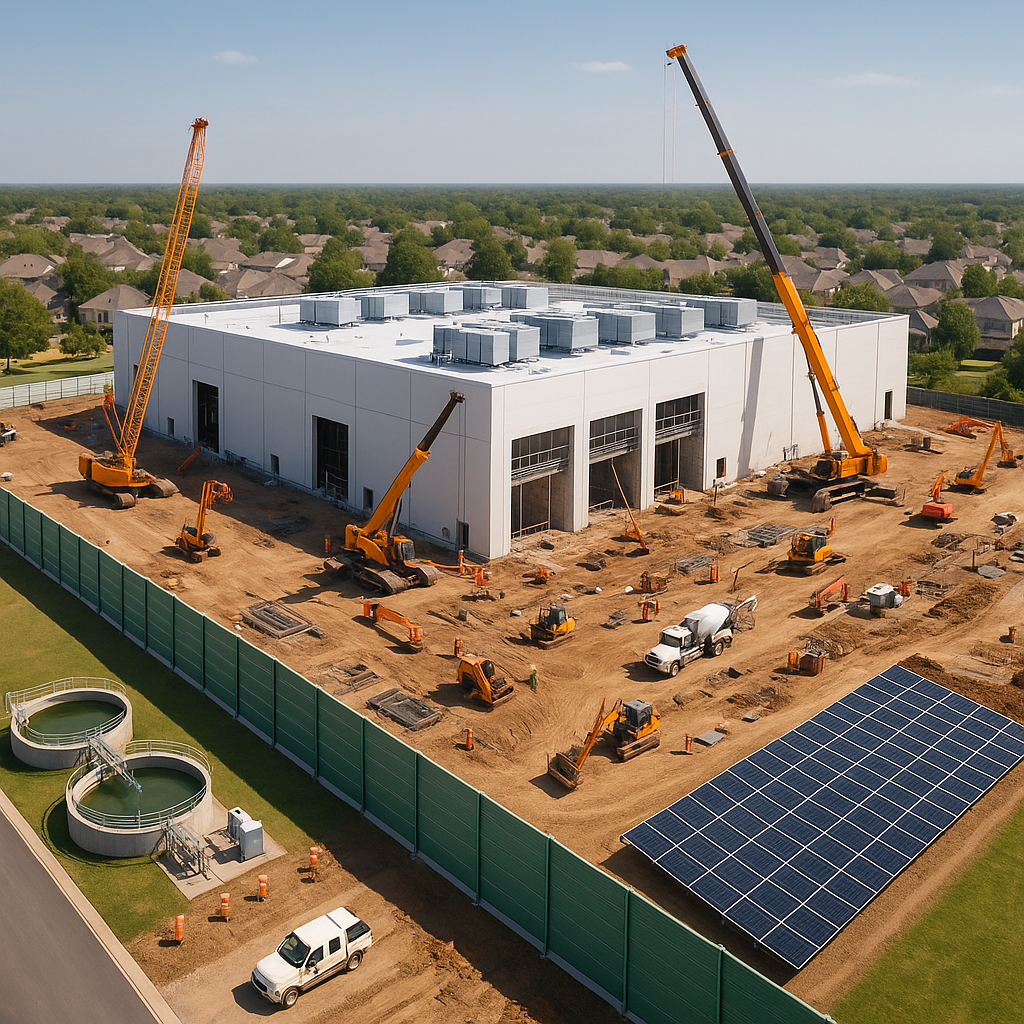
And here’s the challenge: it’s not just time-consuming; it’s error-prone. Miss a room, underestimate a wall length, or miscount fixtures, and your numbers are already off. When you’re pricing a large GMP (Guaranteed Maximum Price) project, even small missteps can snowball into a significant margin squeeze.
How AI Changes the Game
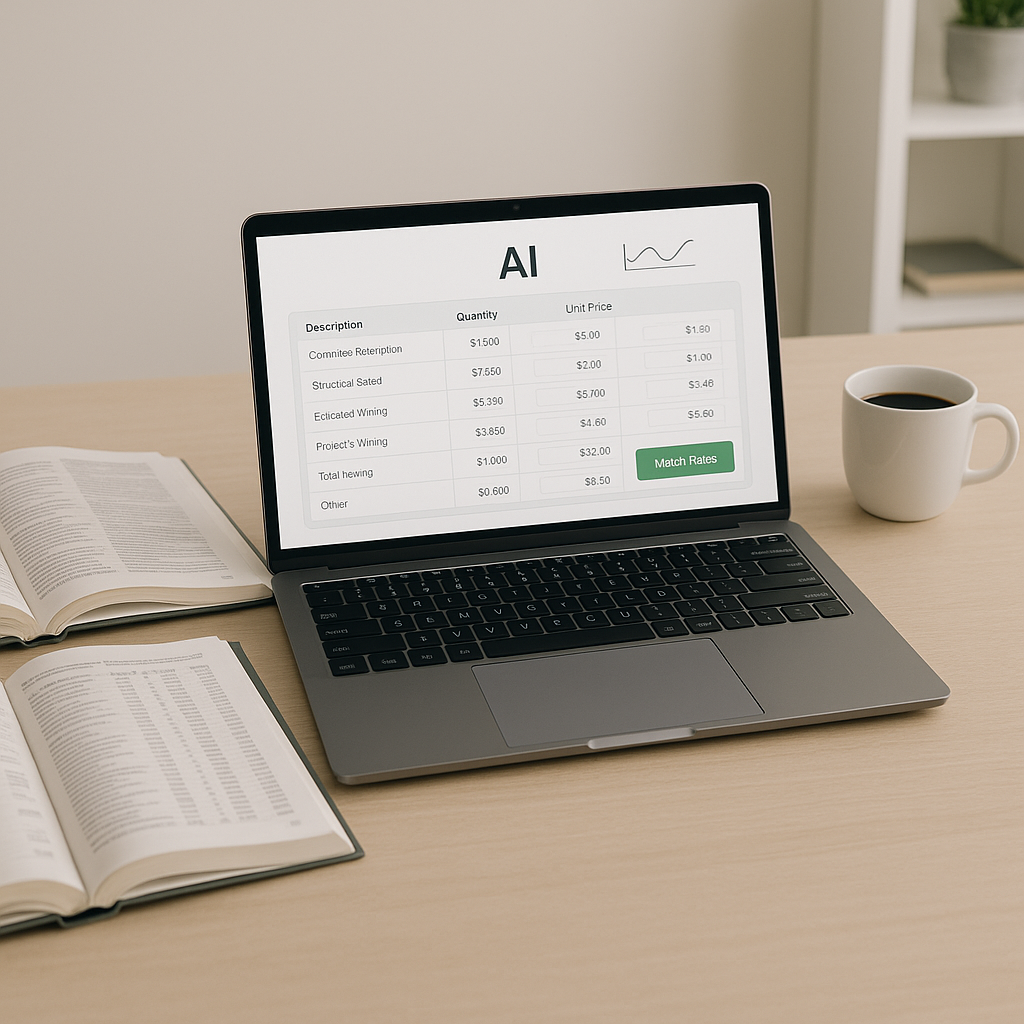
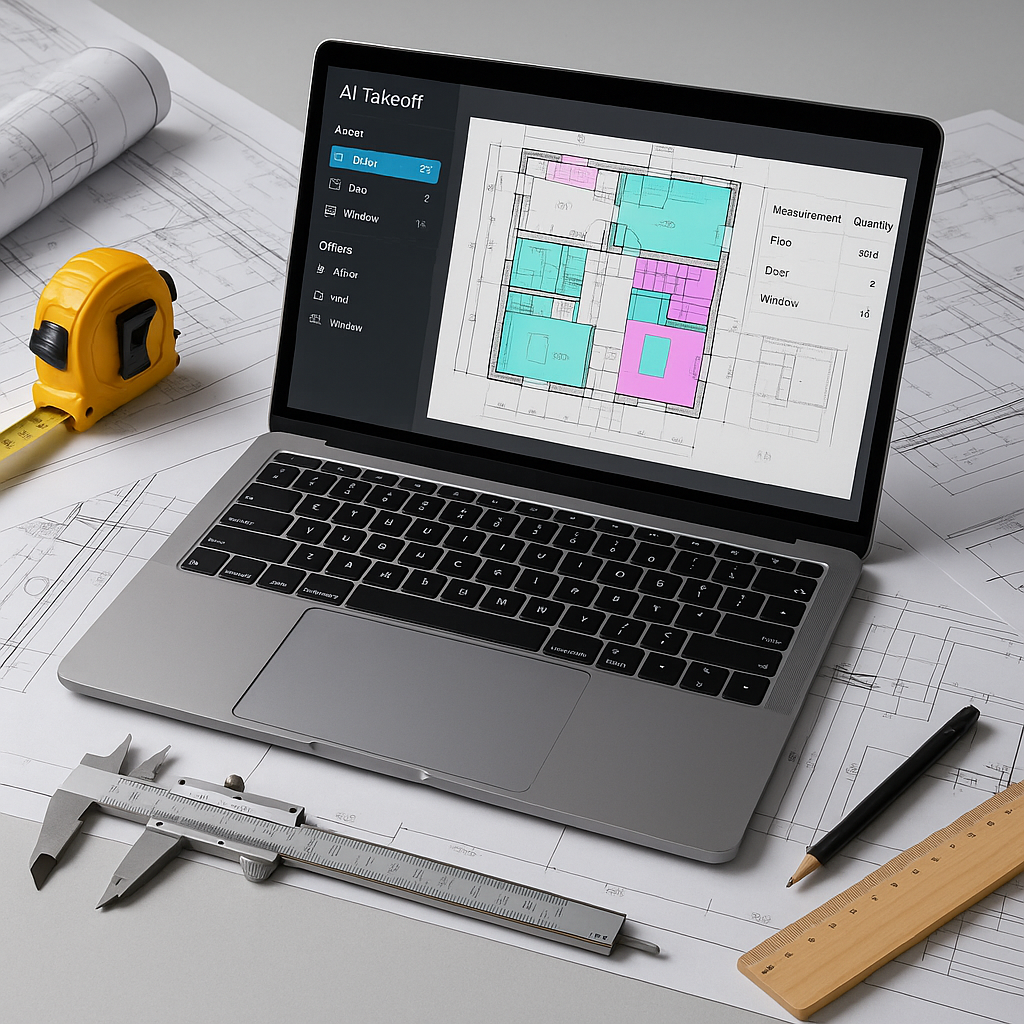
This is where AI-powered tools like EstimateNext come in. Instead of manually tracing every line, AI reads the drawings for you. For example, you upload a PDF set of drawings, and the tool extracts quantities for areas, lengths, and counts. Walls, doors, windows — all identified and measured automatically.
Illustrative example — Instead of spending hours manually measuring, an AI tool can process a set of drawings in a fraction of the time, allowing estimators to focus on higher-value tasks like analyzing bids or negotiating subcontractor quotes.
The Role of AI in Estimation
AI doesn’t replace your expertise; it enhances it. You’re still the one making judgment calls, negotiating with subs, and deciding on markups. The AI just handles the repetitive tasks, freeing you for strategic decisions. This allows for more efficient workflows and potentially faster project turnarounds.
Common Mistakes to Watch For
- Garbage In, Garbage Out: AI tools are only as good as the drawings you feed them. Blurry scans or incomplete PDFs can lead to errors.
- Skipping Manual Review: While AI takeoffs are fast, you should always review flagged areas or low-confidence outputs.
- Underestimating Setup Time: First-time users often underestimate the time required to calibrate scales and set up measurement profiles. Allocate some time for onboarding to ensure smooth operation.
FAQ
Q: How accurate are AI-powered takeoffs compared to manual ones?
A: AI-powered takeoffs can be highly accurate, but human oversight is still essential. Always review the results to ensure they align with project requirements.
Q: Does AI work for smaller projects?
A: Yes, AI tools can scale to projects of various sizes, from small interior fit-outs to large infrastructure bids.
Q: Can AI integrate with my current tools?
A: Many AI tools, like EstimateNext, integrate with platforms such as Bluebeam, Procore, and Excel to streamline workflows.
Call to Action
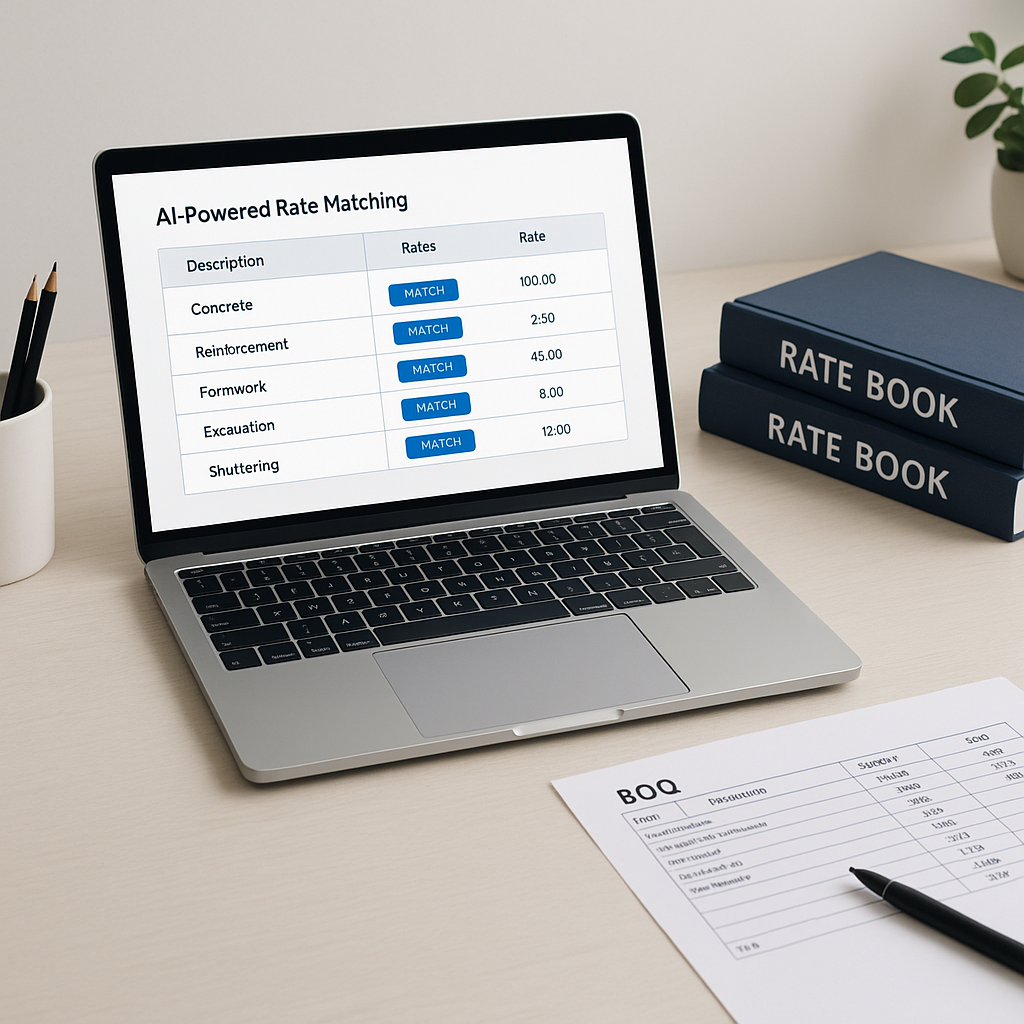
If you're looking to streamline your preconstruction process and reduce manual effort, EstimateNext can help. Upload your first BOQ and explore how AI-powered takeoffs can improve your workflow. Get started free →