How AI-Powered Takeoffs Streamline Preconstruction Estimation
The Problem: Drawing Takeoffs Are a Time Sink
If you've ever worked on preconstruction estimation, you know the drill. Estimators often spend significant time tracing PDFs in software like Bluebeam, manually extracting quantities for a single bid. This process is tedious and prone to human error. Miscounting a column or forgetting an area can lead to inaccurate estimates, which can have cascading effects on project planning and budgeting.
This time-intensive process is a common bottleneck for contractors, limiting their ability to handle multiple projects efficiently. The reliance on manual methods often results in wasted effort and missed opportunities.
The AI Solution: Vision AI
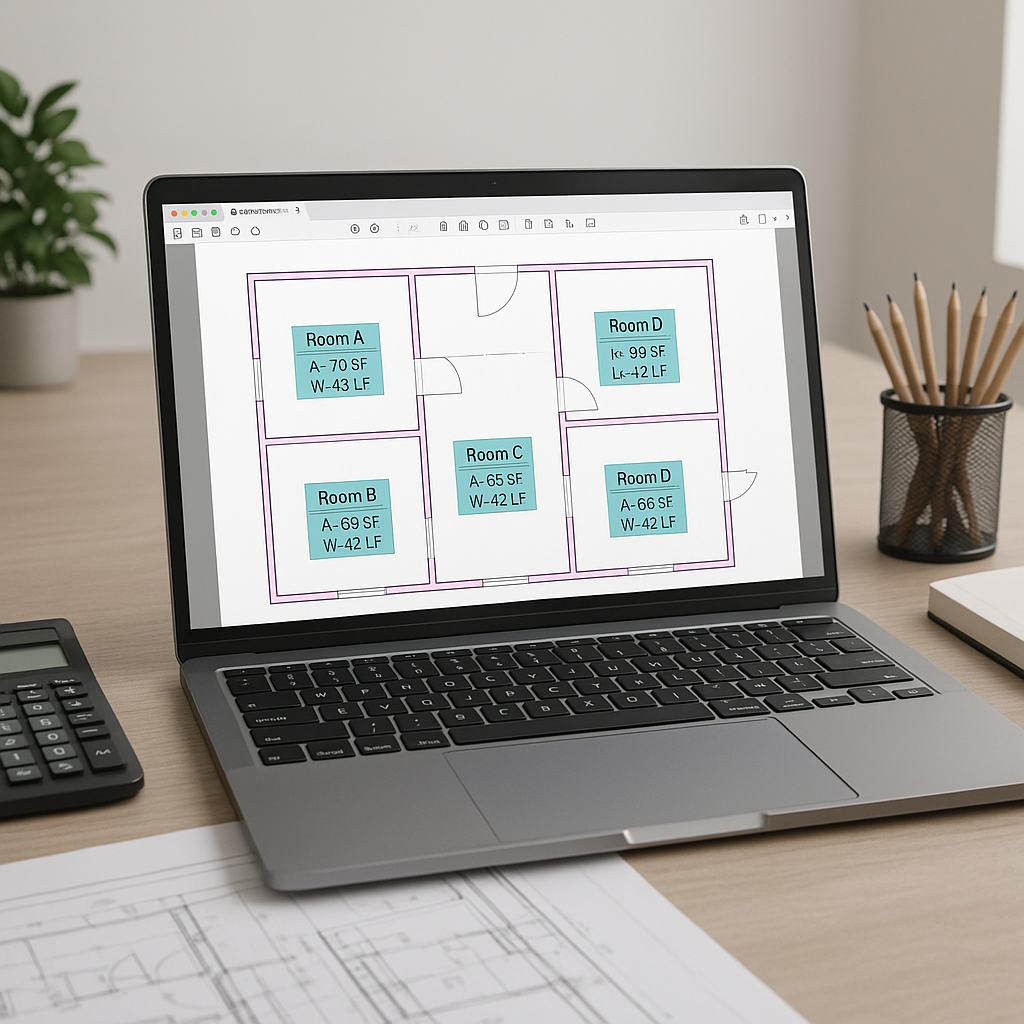
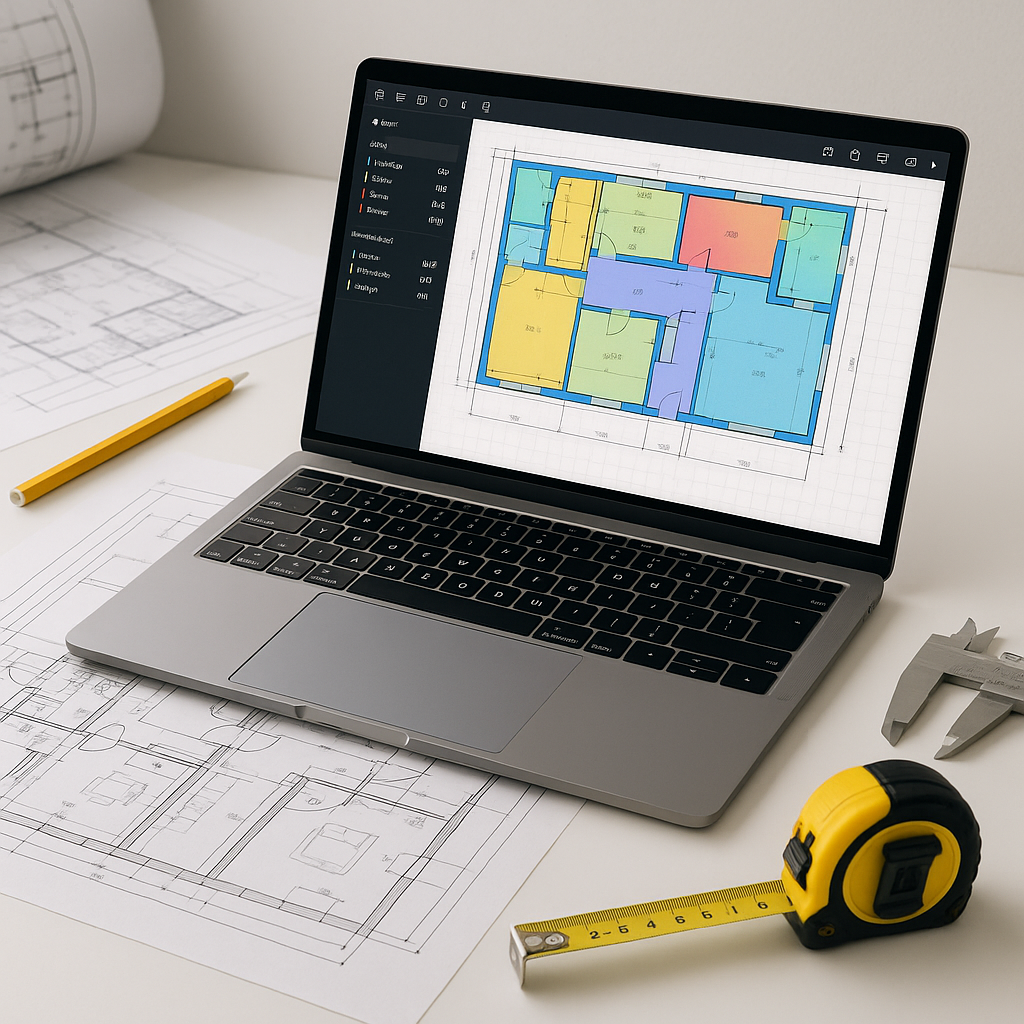
AI-powered tools, such as those designed for construction estimation, offer a transformative solution. Instead of manually tracing drawings, you can upload your PDF plans, and the AI extracts quantities automatically. Whether you need room areas, wall lengths, or door counts, the process is significantly faster and more efficient compared to manual methods.
These tools are designed to be highly reliable, especially for straightforward takeoffs like concrete volumes or steel beam counts. Many platforms also include features like manual overrides, allowing estimators to review and adjust outputs as needed. While not perfect, these tools can significantly reduce the time spent on repetitive tasks, freeing up estimators to focus on higher-value activities.
Why It Matters
Automating drawing takeoffs with AI tools allows contractors to reallocate their time and resources more effectively. Instead of spending hours on manual tasks, teams can focus on strategic activities such as subcontractor negotiations, faster bid responses, or pursuing additional projects. The efficiency gains can lead to improved project outcomes and better use of team expertise.
Common Objections
“But AI Can’t Think Like an Estimator.” This is true—AI doesn’t replace human judgment. It won’t decide which subcontractors to choose or how to adjust your markup. However, it serves as a powerful assistant, handling repetitive tasks so that estimators can focus on strategic decision-making.
“What About Small Projects?” AI tools are scalable and can be used for projects of varying sizes. For smaller projects, the primary benefit may be improved accuracy, helping to avoid costly mistakes. For larger projects, the time savings become more pronounced.
FAQ
Q: How accurate are AI-powered takeoffs? AI tools are generally highly accurate for straightforward tasks. However, human oversight remains essential. Many platforms include features like manual overrides to ensure reliability.
Q: Does AI work with existing software? Yes, most AI tools integrate seamlessly with commonly used platforms like Bluebeam, Procore, and Excel, allowing you to incorporate AI-generated estimates into your existing workflows.
Q: How long does it take to learn these tools? Most platforms are designed to be user-friendly, with training typically taking a short amount of time.
What to Watch For
- Input Quality: Ensure that you upload clean, high-resolution drawings to get the best results from AI tools.
- Review Everything: While AI can automate much of the process, it’s important to double-check critical items using manual override features.
- Start Small: Test the tool on a smaller project to build confidence before relying on it for larger bids.
Final Thoughts
AI-powered takeoff tools are not here to replace estimators but to enhance their capabilities. By automating tedious tasks, these tools save time and reduce errors, allowing contractors to focus on strategic priorities. If you’re looking to improve efficiency in your preconstruction estimation process, exploring AI solutions could be a valuable step forward.
If you're interested in streamlining your takeoff process, consider exploring AI-powered tools to see how they can benefit your team.