Why Manual Takeoffs Are Challenging for Productivity
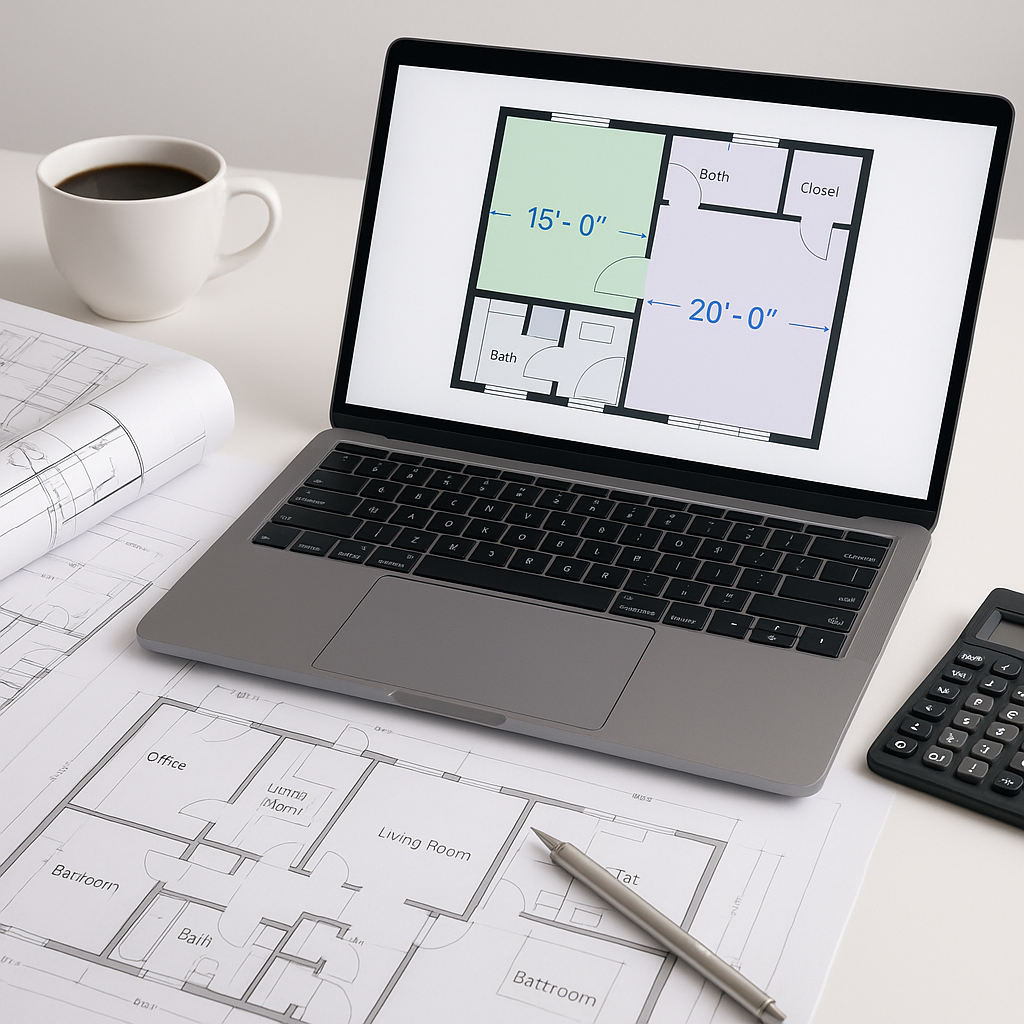
Manual takeoffs can be time-consuming and prone to errors. If you’ve ever spent hours tracing blueprints or measuring drawings, you know how tedious and mentally exhausting it can be. Errors in manual takeoffs can lead to inaccurate estimates, which may affect project outcomes.
The AI Solution: Vision AI for Takeoffs
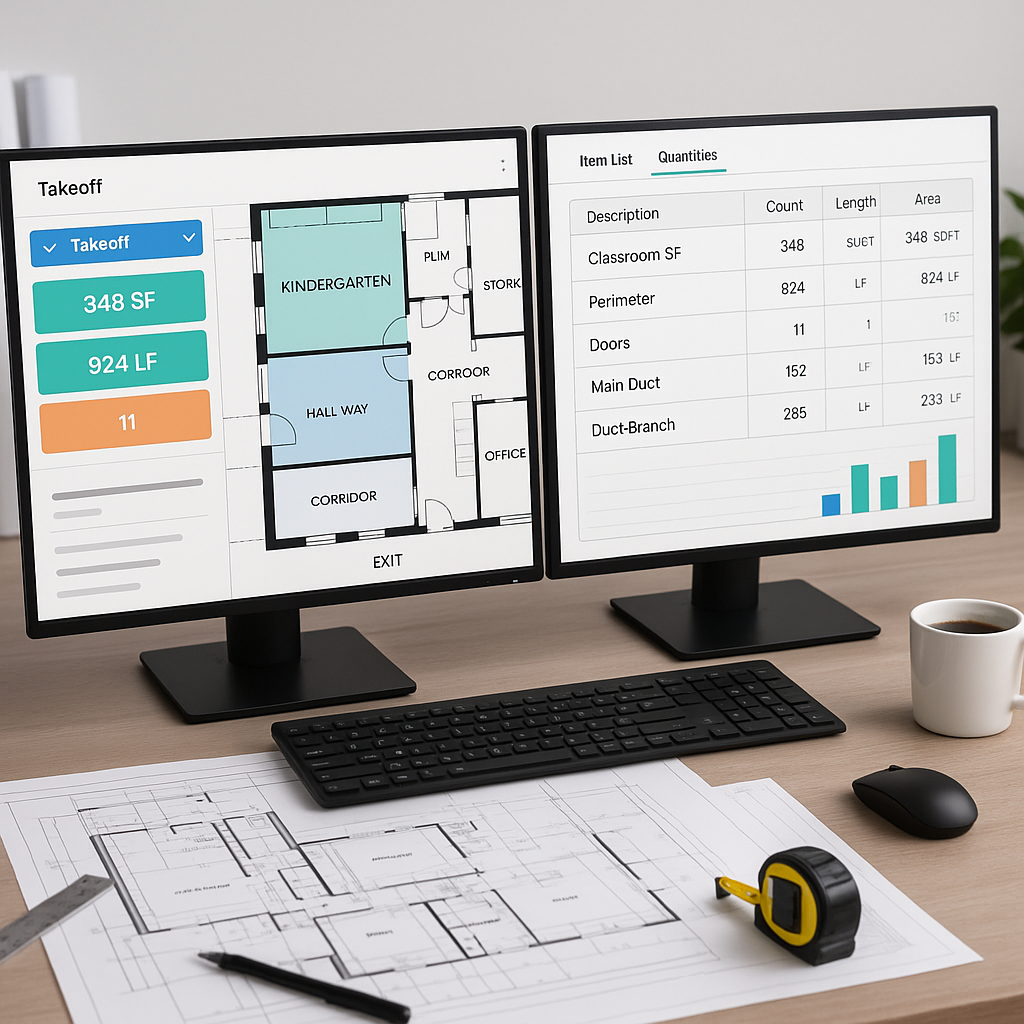
AI-powered tools streamline the takeoff process by extracting quantities directly from the drawings you upload. These tools allow you to upload a PDF set of drawings, calibrate the scale, and let the software identify room areas, wall lengths, and counts for doors and windows. This automation reduces the time spent on repetitive tasks and minimizes the risk of errors.
Illustrative Example — High-Rise Residential Project
Imagine pricing a high-rise residential project with detailed floor plans, elevations, and sections. Traditional methods would involve manually tracing beams, counting doors, and calculating areas. With AI tools, you can upload the drawings and quickly generate quantities for materials like concrete, drywall, and flooring. This approach saves significant time compared to manual methods.
What About Errors?
AI tools often include features like confidence scoring and manual override options. If the system identifies an area with low confidence, you can review and adjust it manually. This combination of automation and human oversight ensures the final takeoff is both efficient and accurate.
The ROI: Time and Cost Efficiency
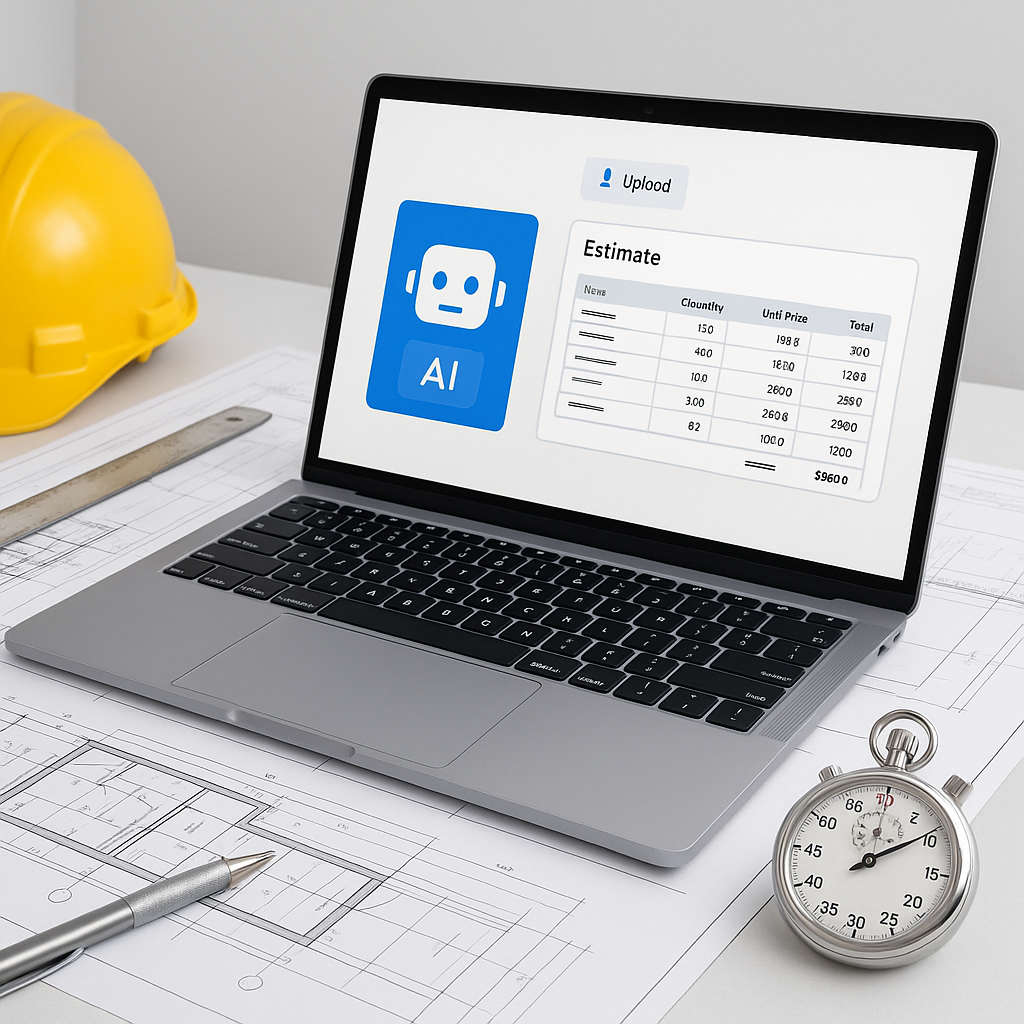
AI tools can significantly reduce the time spent on preconstruction estimation tasks, allowing teams to focus on higher-value activities like strategy and decision-making. While the cost of AI tools varies, the potential savings in labor and improved accuracy can provide a strong return on investment.
Common Objections
“AI Can’t Replace My Team’s Expertise”
AI tools are designed to complement your team’s expertise, not replace it. They handle repetitive tasks, freeing your team to focus on strategic decisions, negotiations, and other critical aspects of preconstruction.
“What If My Drawings Are Messy?”
Many AI tools are designed to handle challenges like messy drawings, merged cells, and scanned PDFs. They often include features to clean up and organize uploaded data, making it easier to work with.
FAQ
Q: How accurate are AI-generated takeoffs?
AI tools rely on the quality of input data. Features like confidence scoring and manual overrides help ensure accuracy.
Q: Can AI handle custom rate catalogs?
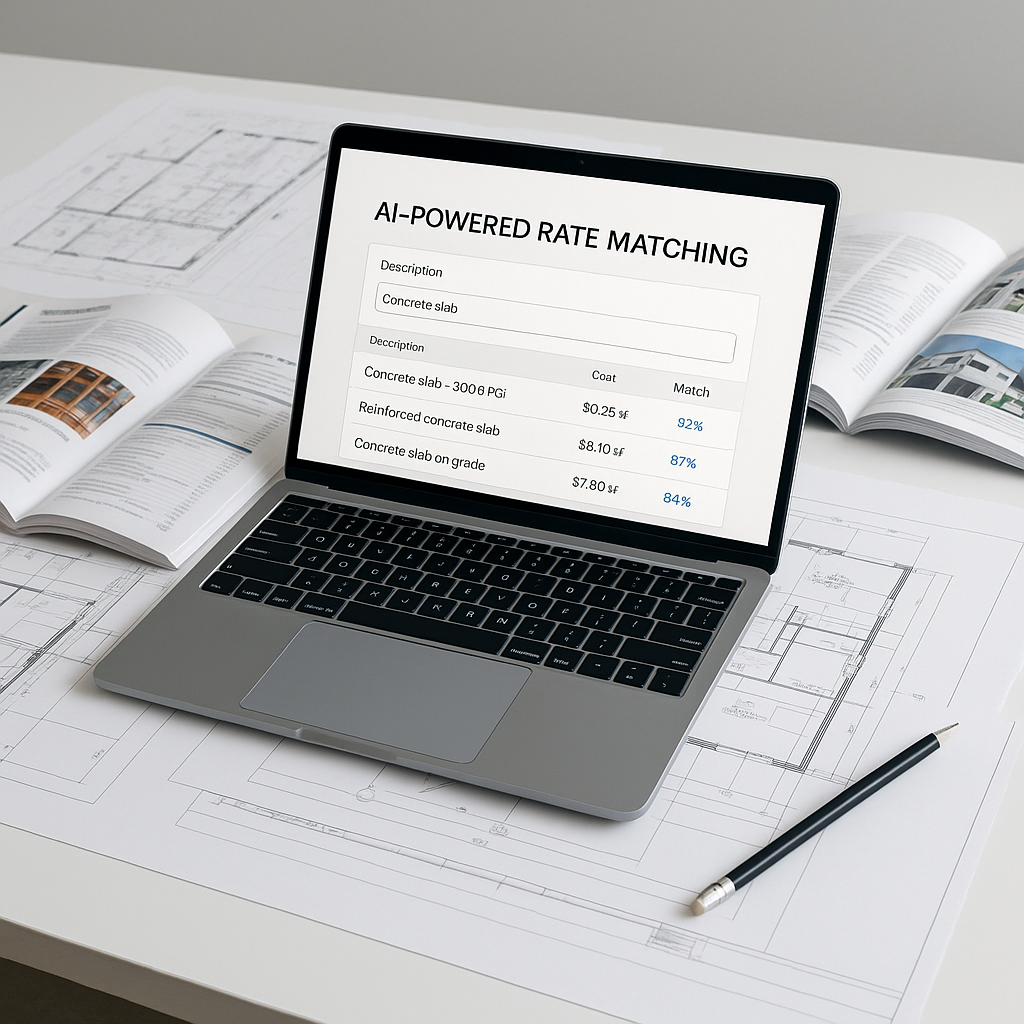
Yes, many AI tools allow you to upload custom rate catalogs or use pre-loaded options.
Q: Does AI work for small projects?
AI tools are scalable and can be used for projects of various sizes, from small renovations to large infrastructure developments.
Conclusion
AI-powered tools offer a practical solution for streamlining preconstruction estimation. By automating repetitive tasks and improving accuracy, they enable construction teams to save time and focus on strategic priorities.