Why Manual Takeoffs Are Holding You Back
Manual takeoffs can be a time-consuming and error-prone process. Estimators often juggle multiple tools, such as PDF viewers and spreadsheets, to measure and record quantities from drawings. This process can take significant time and effort, detracting from more strategic tasks like bid strategy and subcontractor coordination.
Enter AI-Powered Tools
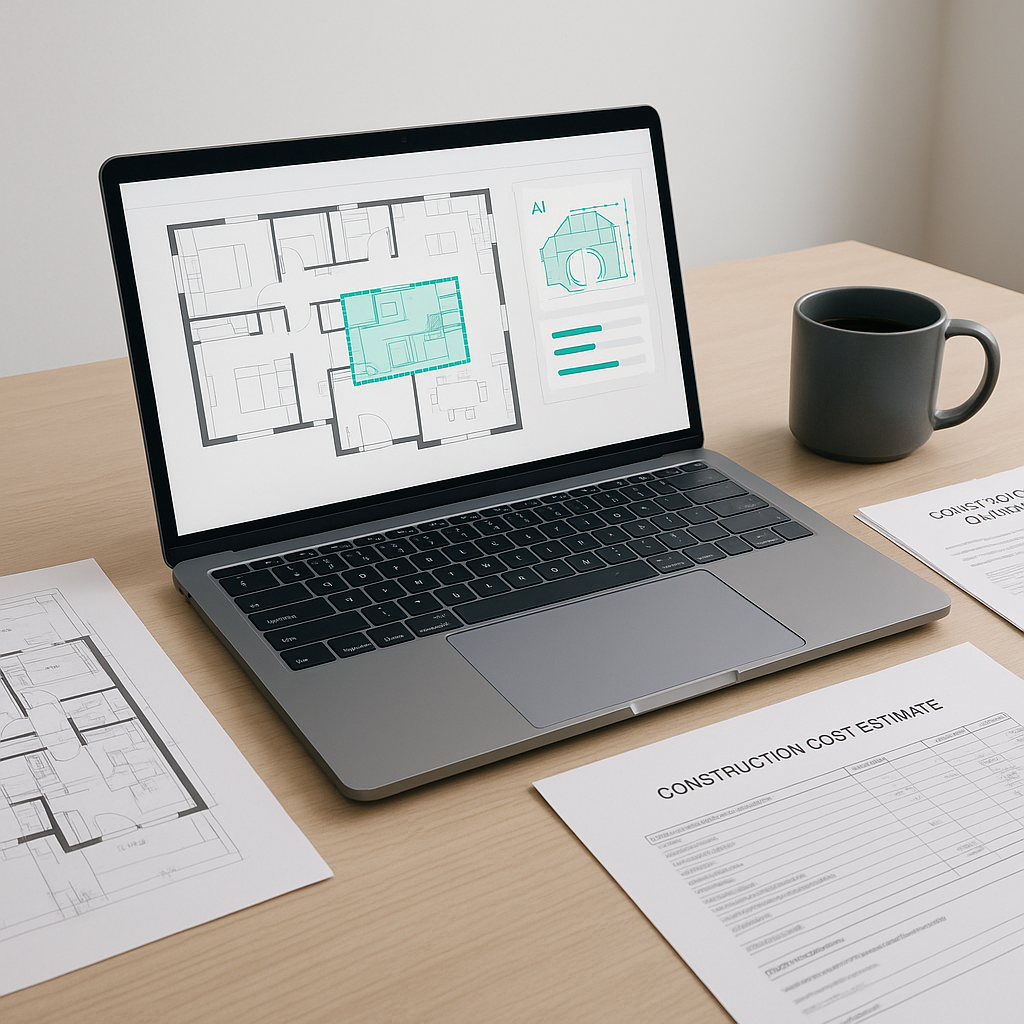
AI-powered tools are transforming preconstruction workflows by automating the quantity takeoff process. Instead of manually measuring every element on a drawing, these tools allow users to upload PDFs or DWG files, and the AI extracts quantities such as room areas, wall lengths, and door counts. This automation reduces the manual effort required and minimizes the risk of human error.
How Does It Work?
The process typically involves the following steps:
- Upload Your Drawings: Drag and drop your PDF or DWG files into the platform.
- AI Extraction: The tool scans the drawings, identifies elements like rooms and walls, and measures them automatically.
- Review and Adjust: Users can review the AI-generated measurements and make manual adjustments if needed.
- Export: Once verified, the quantities can be exported directly to a Bill of Quantities (BOQ) template or other formats.
This approach allows estimators to focus on higher-value tasks while the AI handles repetitive and time-intensive work.
What About Accuracy?
AI tools are designed to assist, not replace, human expertise. While they can handle the bulk of the work, manual review remains essential to ensure accuracy. Many platforms include features like confidence scoring, which highlights areas where the AI is less certain, allowing users to double-check and make corrections as needed. This hybrid approach combines the speed of AI with the judgment of experienced estimators.
Is It Worth the Investment?
AI-powered tools can significantly reduce the time spent on manual takeoffs, freeing up resources for other critical tasks. By automating repetitive processes, these tools can help preconstruction teams improve efficiency and focus on winning more bids.
Common Mistakes When Using AI for Takeoffs
- Skipping the Review Step: Always double-check areas flagged by the system for low confidence.
- Using Poor-Quality Drawings: Ensure that uploaded files are clear and high-resolution to avoid errors.
- Forgetting to Train the System: Many AI tools improve with consistent use and corrections, so take advantage of this feature to enhance accuracy over time.
FAQ
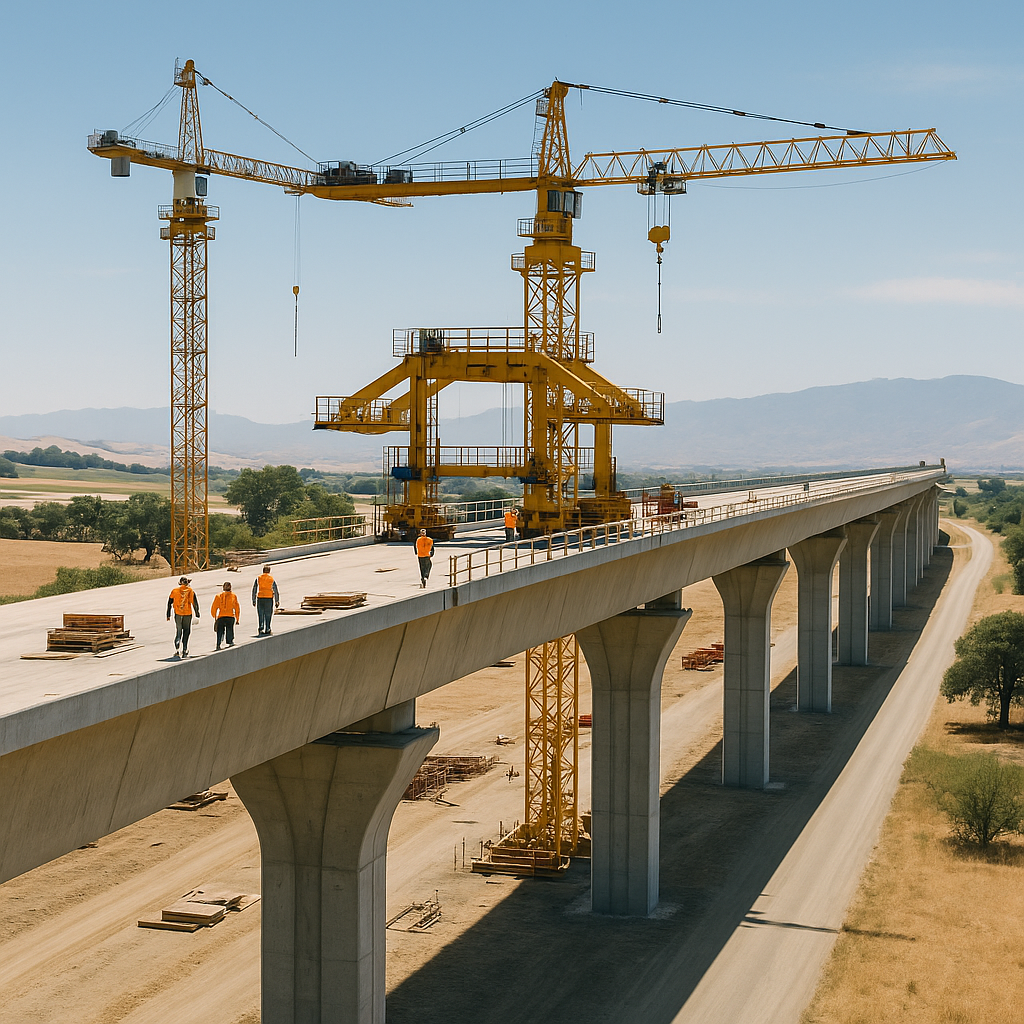
Q: Can AI handle complex projects like hospitals or rail bridges?
Yes, AI tools are scalable and can handle projects of varying complexity. They are capable of extracting quantities for diverse elements, from small office fit-outs to large infrastructure projects.
Q: What if my drawings include revisions?
Most AI tools support revision uploads, allowing users to compare changes and update quantities seamlessly.
Q: Do I need special training to use it?
Most platforms are designed to be user-friendly, requiring minimal training to get started.
Q: Does it integrate with my existing tools?
Yes, many AI tools integrate with commonly used software like Bluebeam, Procore, and Excel, ensuring compatibility with existing workflows.
Final Thoughts
AI-powered takeoff tools offer significant advantages for preconstruction teams, including time savings, reduced errors, and the ability to focus on strategic tasks. By automating the most tedious aspects of quantity takeoffs, these tools enable estimators to work more efficiently and effectively.
If you’re looking to streamline your preconstruction process, consider exploring AI-powered solutions to enhance your workflow.