The Problem: Manual Rate Lookup Is Time-Consuming
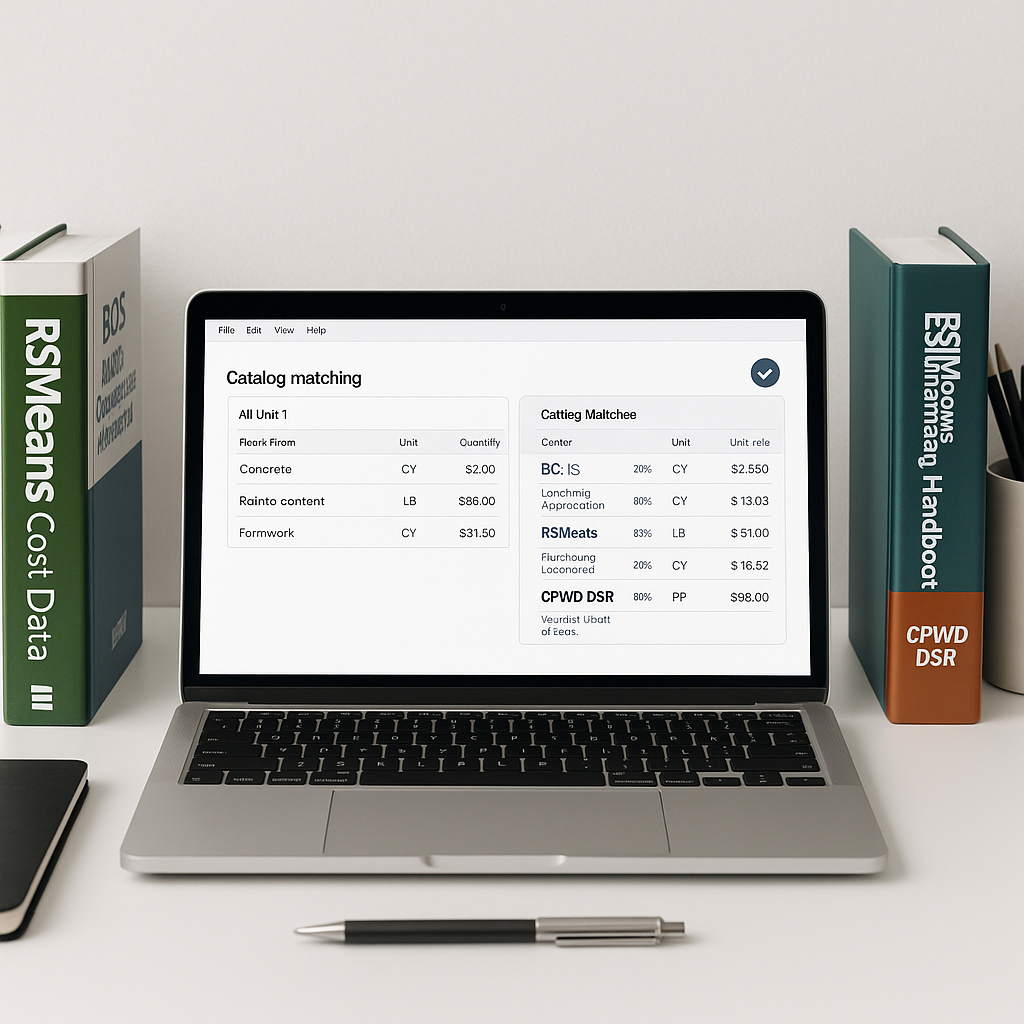
Every estimator knows the pain of flipping through endless rate books. Whether it's RSMeans, CPWD's DSR, or a custom catalog, finding the right rate for each line item can be a tedious process. This manual effort often leads to errors like missed items or outdated rates, which can significantly impact project margins.
Why is this such a bottleneck? Construction rates are inherently complex. They include material costs, labor charges, equipment usage, and sometimes inflation adjustments. Missing a single rate can lead to inaccurate estimates. Worse, if you're rushing to meet a tender deadline, manual lookup often means relying on guesswork, which can compromise the quality of your bid.
The AI Solution: Semantic Rate Matching
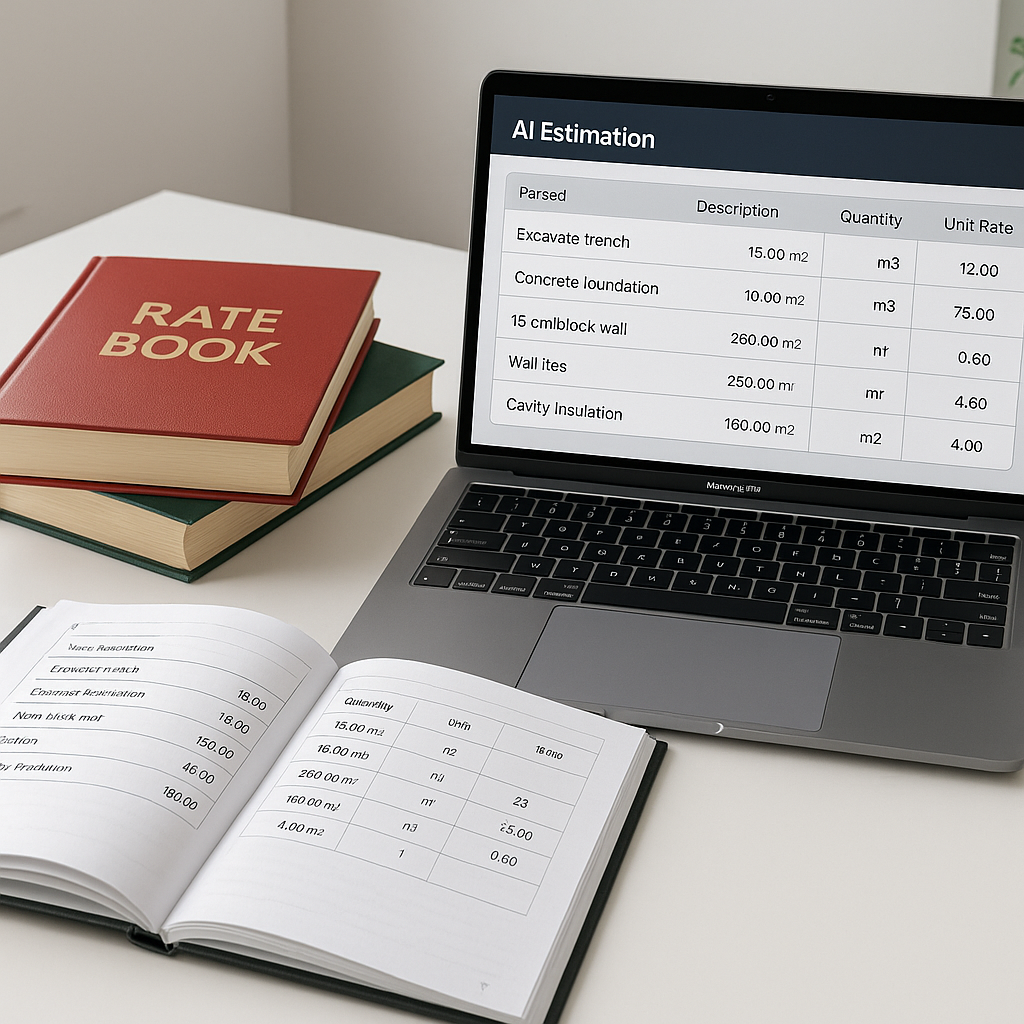
AI-powered rate matching tools address these challenges by automating the process of finding and applying the right rates. Instead of manually scanning PDFs or Excel sheets, these tools use semantic search to find the most relevant rate quickly. Here's how they work:
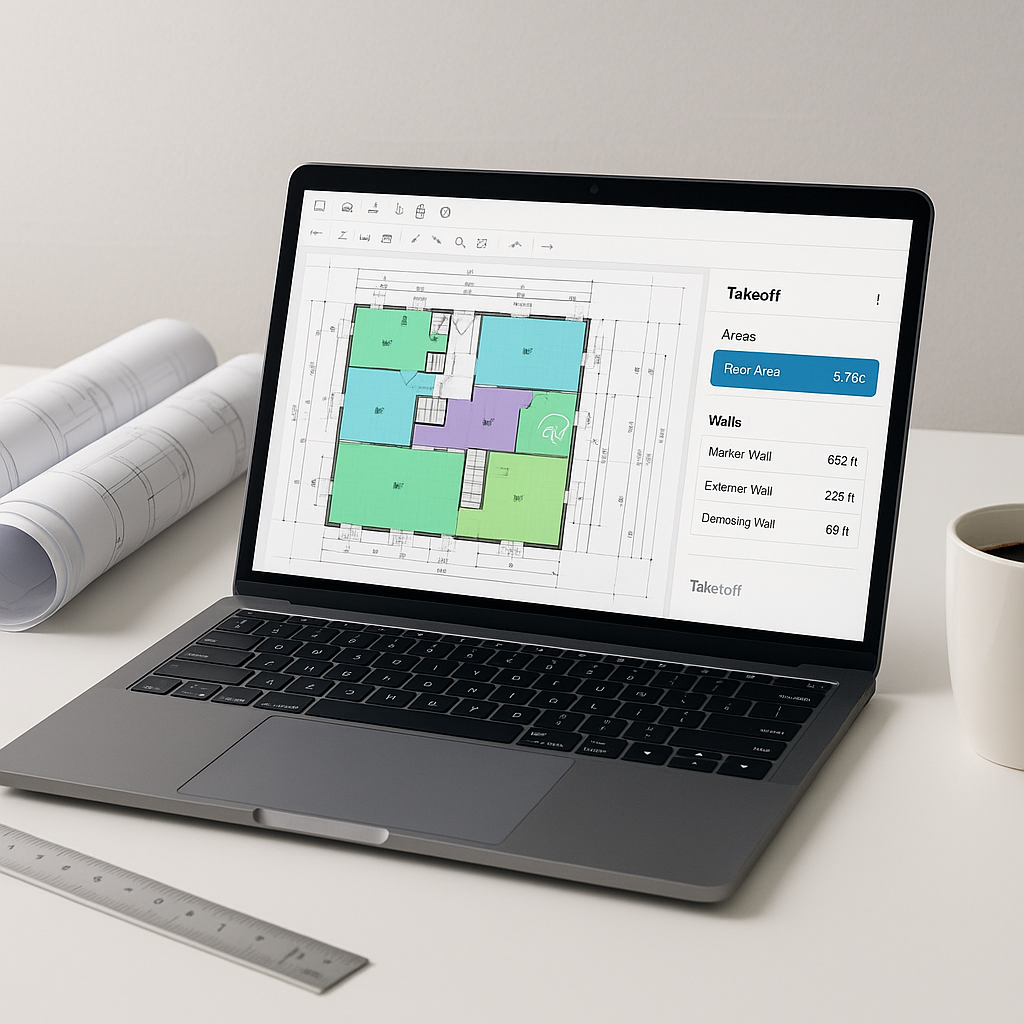
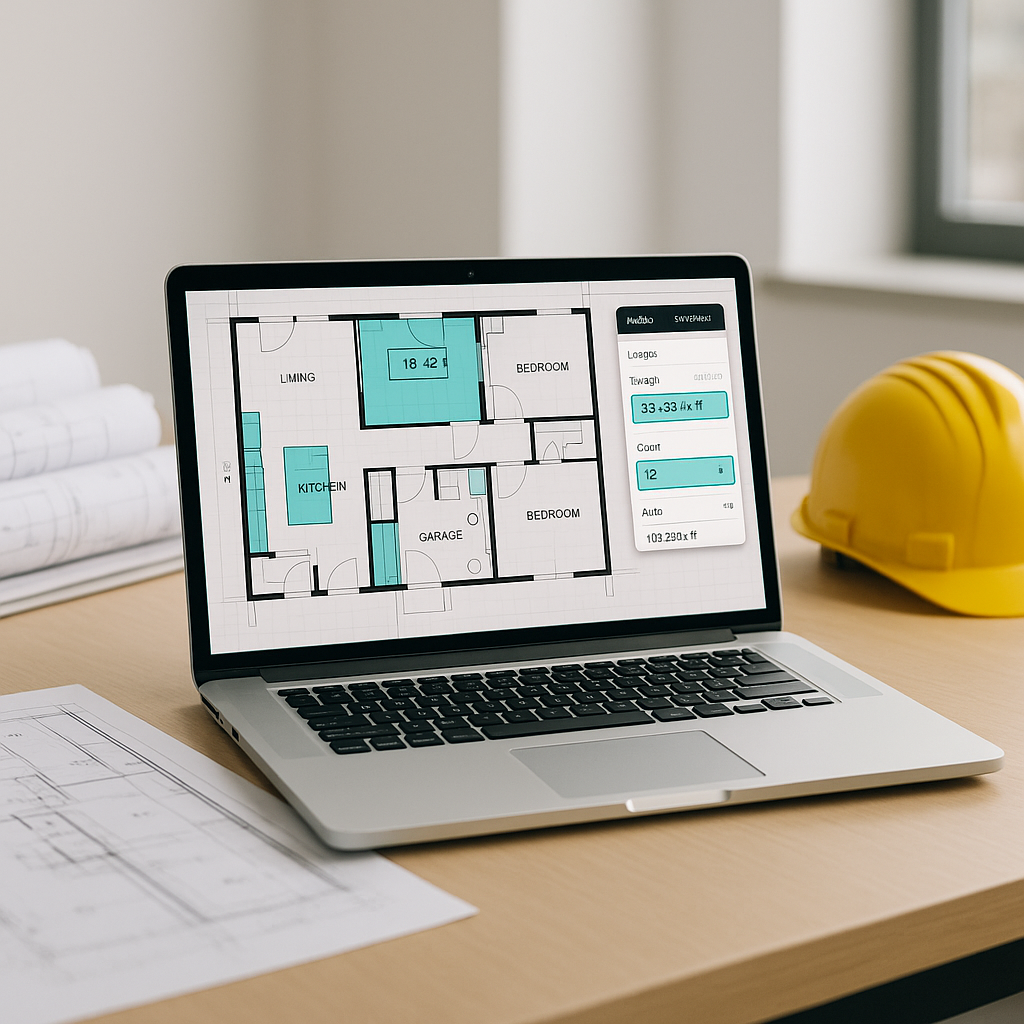
- BOQ Parsing: You upload your Bill of Quantities (BOQ). The AI auto-detects structure—merged cells, headers, and hierarchies—eliminating the need for manual formatting.
- Semantic Search: Type in your line item, such as "pre-stressed concrete girders," and the AI searches through a database of standard schedule of rates (SOR) items across multiple catalogs. It matches the description, context, and synonyms to suggest the most relevant rate.
- Custom Catalogs: If you have your own rates, you can upload them. The AI integrates these custom rates for future use, ensuring your estimates reflect your specific costs.
- Feedback Loops: The system improves over time by learning from user inputs and adjustments, making future searches more relevant and accurate.
Benefits of AI-Powered Estimation
AI-powered rate matching tools offer several advantages:
- Time Savings: Automating repetitive tasks like rate lookup allows estimators to focus on higher-value activities, such as bid strategy and risk assessment.
- Improved Accuracy: By reducing manual errors and ensuring up-to-date rates, AI enhances the reliability of cost estimates.
- Customizability: The ability to integrate custom rate catalogs ensures that estimates are tailored to specific project requirements.
- Transparency: Detailed breakdowns of material, labor, and equipment costs provide an audit trail, building trust with clients.
Common Questions About AI Rate Matching
Q1: How accurate are AI-generated rates?
AI tools are highly accurate when paired with quality input data. They also allow for manual overrides to address edge cases.
Q2: What if my rates are project-specific?
You can upload custom rate catalogs. The AI ensures your estimates reflect your actual costs by integrating your unique data.
Q3: Does AI replace human estimators?
No. AI handles repetitive tasks like rate matching and recalculations, but human expertise is still essential for judgment calls, negotiations, and final decision-making.
Q4: Are these tools hard to learn?
Most platforms are designed for ease of use, with training typically requiring minimal time.
Common Mistakes To Watch For
- Ignoring Data Quality: Ensure your BOQ and rate catalogs are clean and well-structured to get the best results.
- Over-Reliance on AI: Human oversight is still essential, especially for high-cost or critical items.
- Skipping Customization: If you have unique rates, upload them to avoid relying solely on generic data.
Why AI Rate Matching Builds Trust
Manual estimation often leaves clients questioning the accuracy of your numbers. AI-powered rate matching builds transparency into the process by providing detailed breakdowns of material, labor, and equipment costs. This not only speeds up the estimation process but also helps you defend your bid confidently.
Conclusion
If manual rate lookup is slowing you down, consider exploring AI-powered rate matching tools. These solutions streamline the estimation process, improve accuracy, and allow you to focus on strategic aspects of your projects.