The Takeoff Problem No One Talks About
Estimators know the grind. Hours spent tracing PDFs, measuring drawings, and extracting quantities for a mid-sized project. That’s time you don’t have, especially when bid deadlines are tighter than ever. The worst part? It’s not even the work that wins the project. It’s grunt work.
Manual takeoffs are tedious, error-prone, and expensive. Two experienced estimators working on takeoffs can represent a significant cost to your project. And what if the client changes the scope? Start over.
But here’s where AI-powered tools come in. They don’t just speed up the process—they redefine it.
How AI Changes the Game
AI-powered tools extract quantities from PDF drawings in a fraction of the time it takes manually. It’s not magic; it’s smart automation. Here’s what happens:
- Upload the Drawing Set: Drop your PDFs into the platform. No need to clean up file names or organize sheets beforehand.
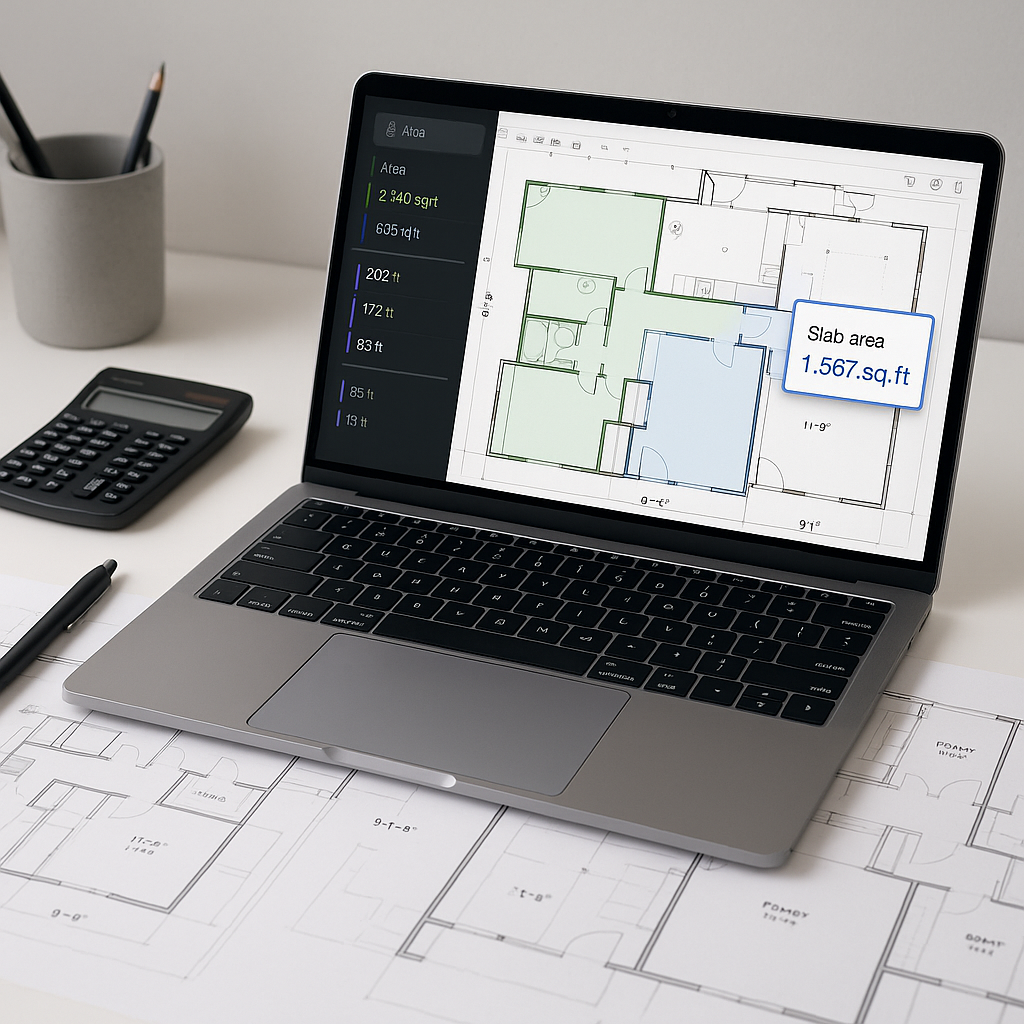
- AI Reads the Drawings: The AI identifies room areas, wall lengths, door/window counts, and other key elements. It even flags low-confidence areas for manual review.
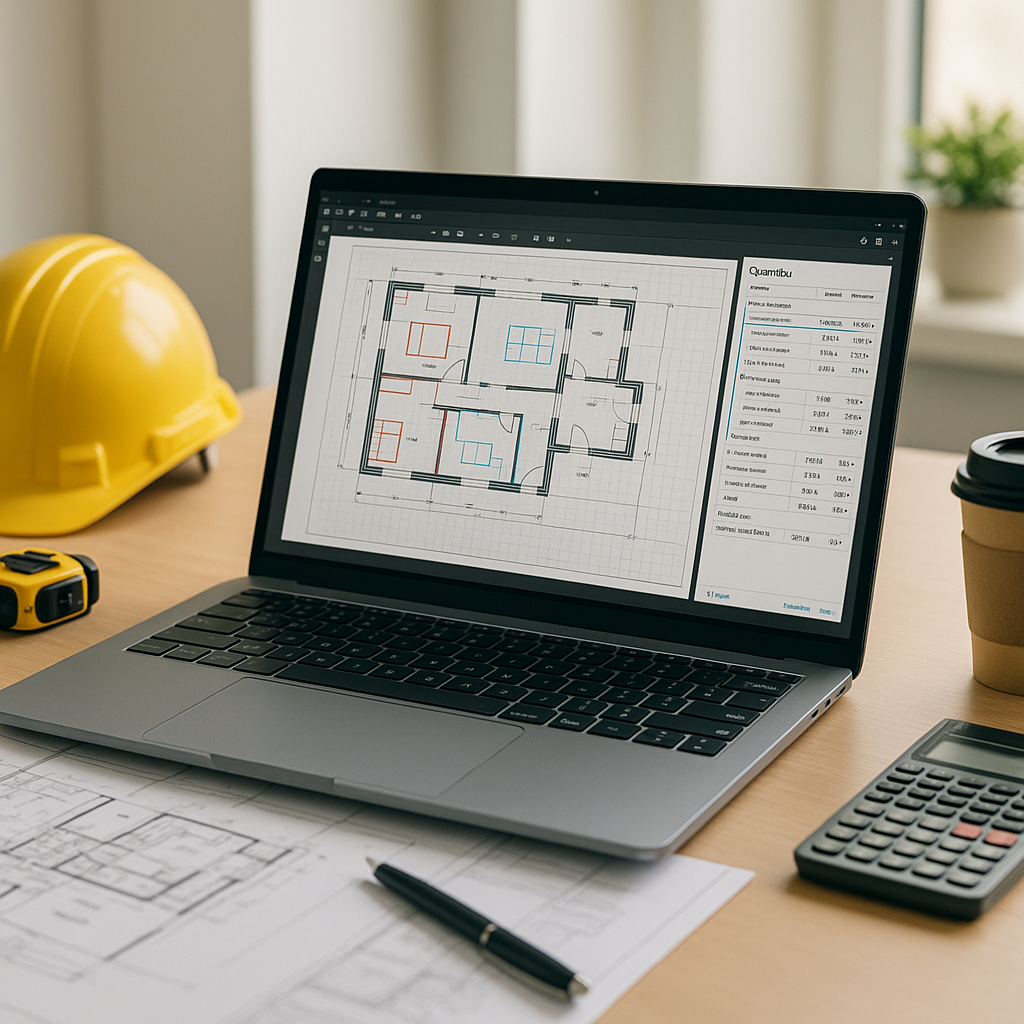
- Instant Quantities: In minutes, you’ve got a comprehensive quantity takeoff, ready for pricing.
Let’s compare:
| Process | Manual Takeoff | AI-Powered Takeoff |
|---|---|---|
| Time to complete | Hours or days | Minutes |
| Accuracy | Depends on human effort | High with feedback |
| Cost | Higher labor costs | Lower subscription costs |
Illustrative example — A contractor bidding on a hospital project used AI to extract quantities for concrete, steel, and drywall. This allowed them to focus on optimizing costs instead of spending excessive time on manual takeoffs.
The Obvious Objection: “But AI Can’t Think Like an Estimator”
I get this pushback all the time. You might be thinking, “Sure, AI is fast, but it doesn’t understand the nuances of construction.” That’s partially true—but it’s also missing the point.
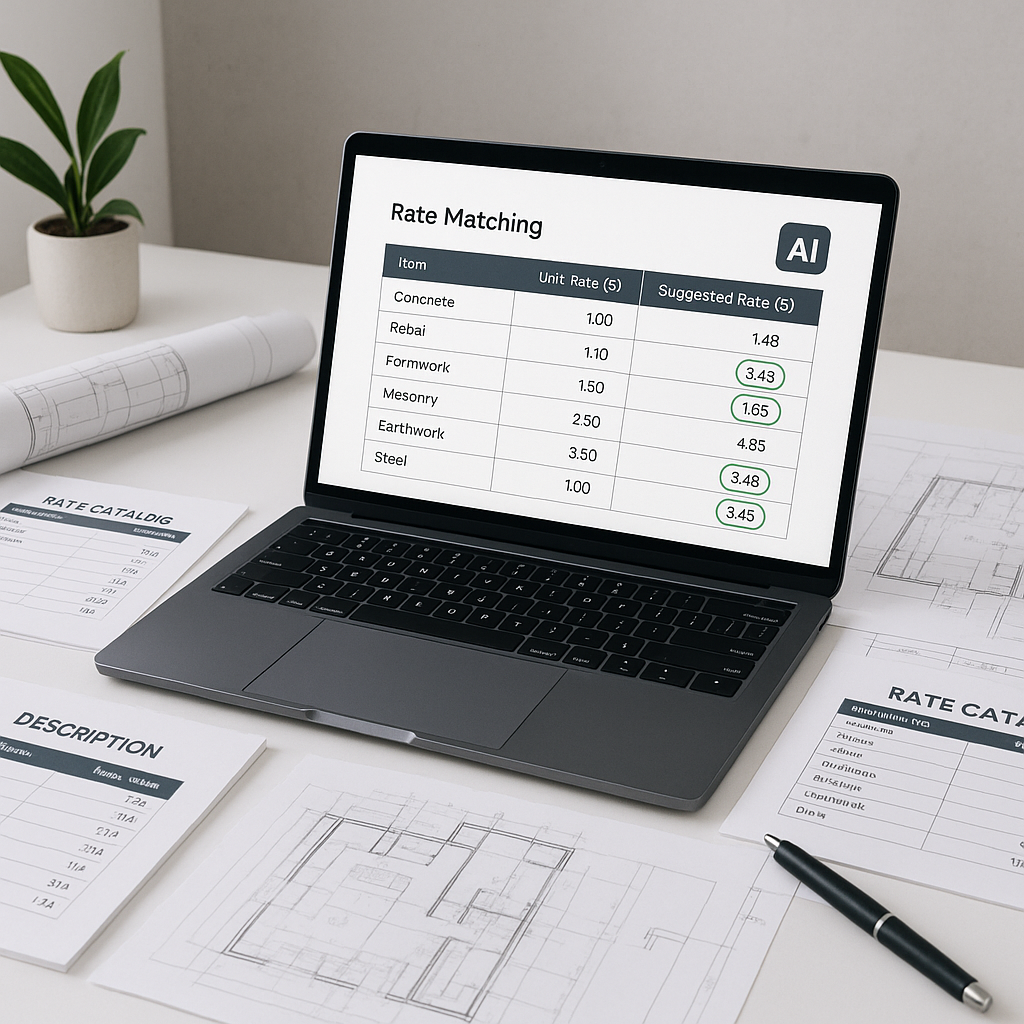
AI doesn’t replace your expertise; it amplifies it. You’re still the one making judgment calls, negotiating with subs, and deciding on markup. The AI just handles the grunt work—like takeoffs, rate matching, and what-if recalculations. It’s a tool, not a replacement.
Why Your Team Needs This Now
AI-powered tools reduce errors, which means fewer costly reworks and awkward client conversations. Plus, they free up senior estimators to focus on strategy, not admin.
By automating repetitive tasks, your team can handle more bids, focus on higher-value activities, and improve overall efficiency.
Common Questions About AI Takeoffs
Q: How accurate are AI-generated takeoffs?
AI tools are highly accurate but include confidence scoring and manual override features for full control.
Q: Can I use AI estimation tools with existing software like Bluebeam or Procore?
Yes. Most tools integrate seamlessly with popular construction software. You can export estimates directly into your workflows.
Q: What about revisions?
AI tools handle drawing revisions easily. Just upload the new set, and the system compares changes automatically. No rework necessary.
What to Watch For
- Garbage In, Garbage Out: AI is only as good as the input. Ensure your drawings are clean and complete.
- Don’t Skip Reviews: AI speeds up takeoffs but doesn’t eliminate human oversight. Always review flagged areas.
- Start Small: Test the tool on smaller projects before rolling it out for major bids.
Ready to Simplify Your Takeoffs?
If you’re tired of wasting time on manual takeoffs, it’s time to try AI-powered tools. They make it easier to focus on what really matters—winning bids and delivering value.