The Takeoff Problem Every Construction Estimator Knows
Manual takeoffs are a common challenge for preconstruction teams. Estimators often spend significant time tracing, measuring, and recalibrating PDF drawings to extract quantities for materials like concrete slabs, steel beams, or room areas. Revision requests from clients can mean redoing parts of the takeoff, and missed dimensions can lead to costly RFIs. These bottlenecks can delay bid deadlines and impact project efficiency.
How AI Solves the Takeoff Bottleneck
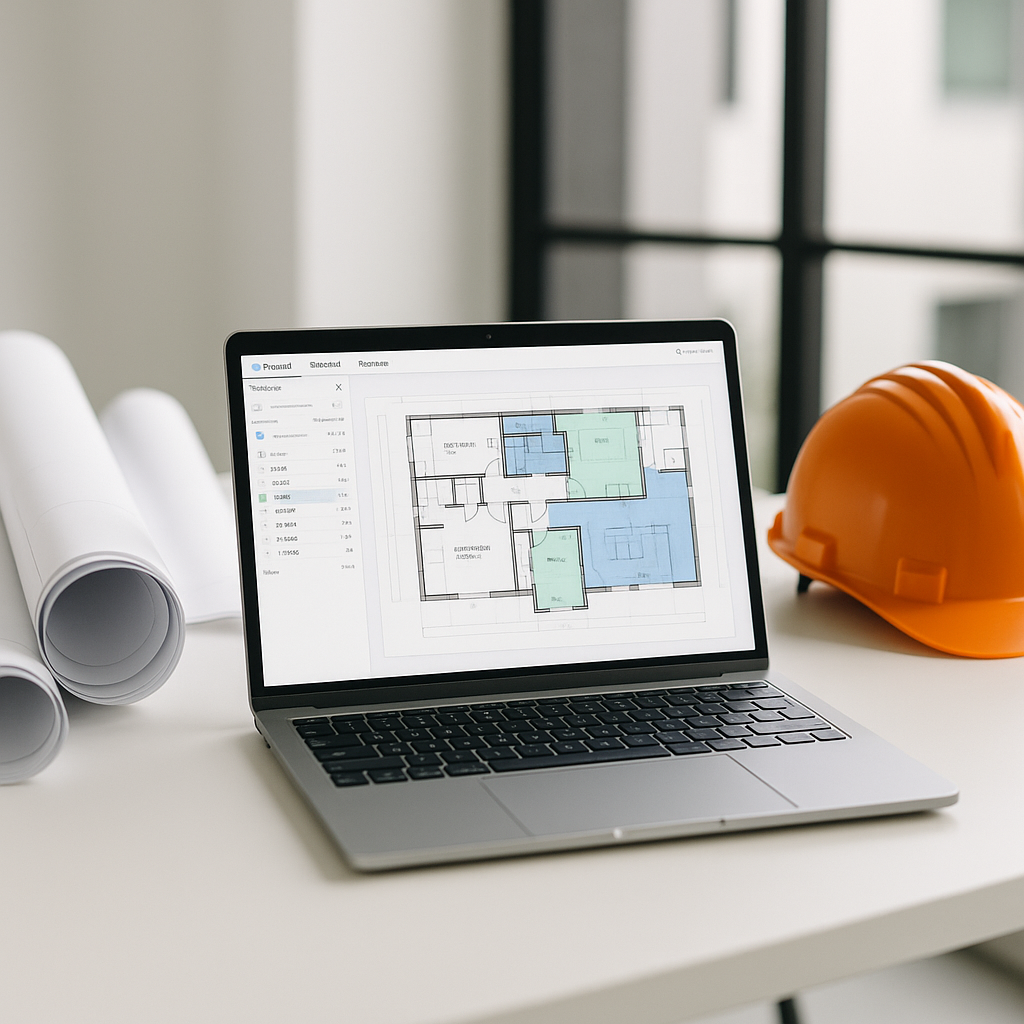
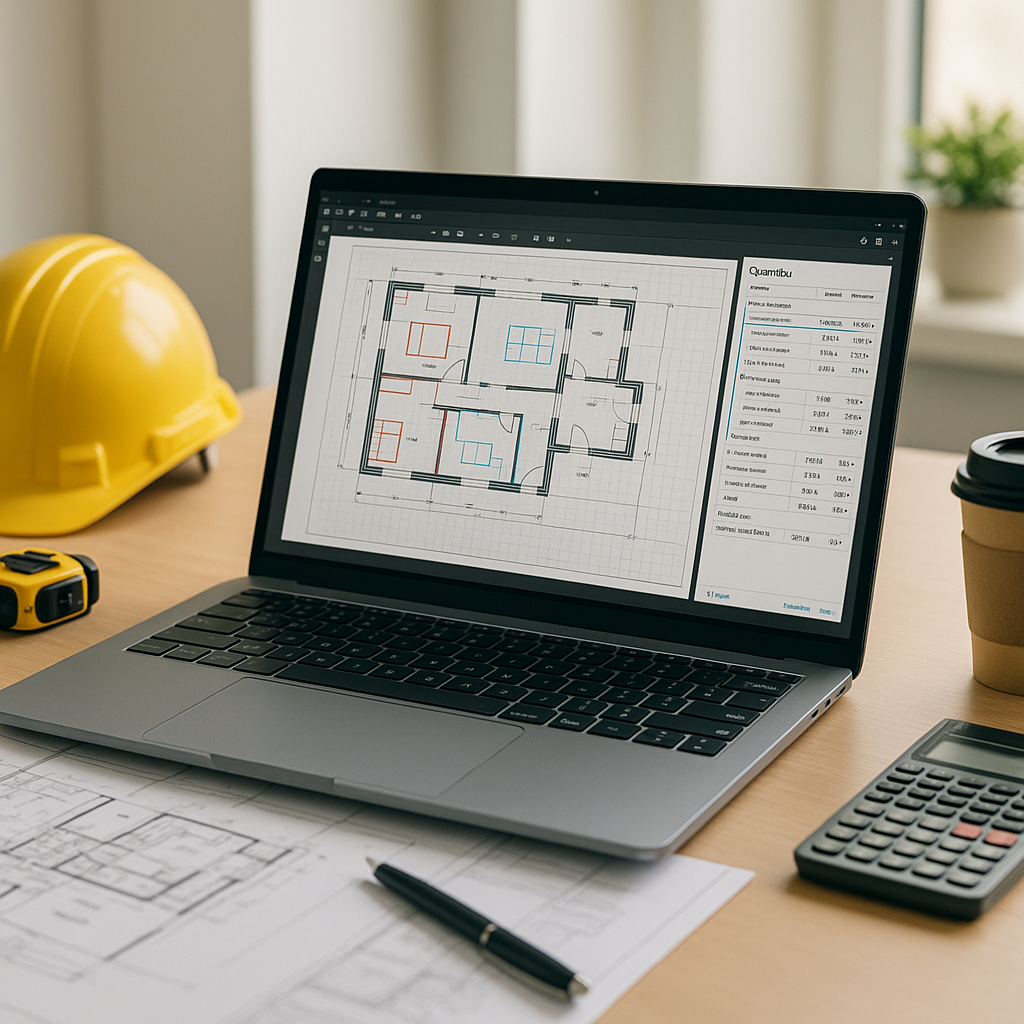
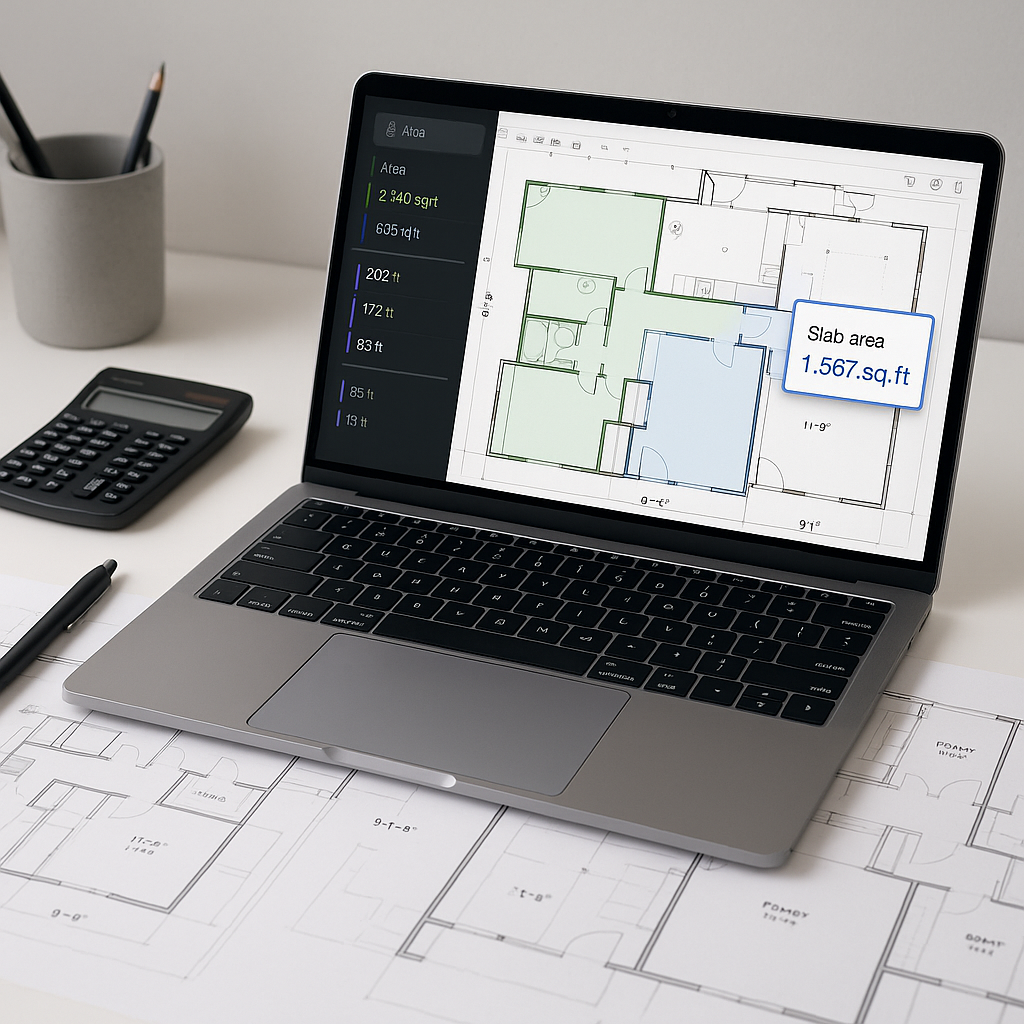
AI-powered takeoff tools offer a more efficient alternative by automating the extraction of quantities directly from PDF plans. These tools use machine learning models trained on construction drawings to identify and measure elements like wall lengths, door counts, or slab areas. The process is faster and reduces the need for manual calibration.
Here’s how the workflow typically looks:
- Upload Your Drawings: Upload the PDF set, whether architectural plans or civil layouts.
- AI Extraction: The AI scans the drawings and extracts quantities using trained models.
- Review and Adjust: Low-confidence measurements are flagged for manual review, allowing for adjustments.
- Export QTO: The system generates a quantity takeoff (QTO) report in a preferred format, such as Excel.
Illustrative example — A contractor using AI tools could potentially save significant time on a high-rise bid by automating repetitive tasks, allowing the team to focus on strategic decision-making.
Why Manual Takeoffs Are Still Holding Teams Back
Even with tools like Bluebeam, manual takeoffs remain time-consuming and prone to errors. Estimators must calibrate measurements page by page, trace lines, and manually input data into spreadsheets. Mistakes, such as miscalibrated scales or missed dimensions, can lead to inaccurate estimates and project delays.
Illustrative example — Consider a scenario where a manual takeoff for a project takes 40 hours. Automating this process with AI could reduce the time significantly, enabling teams to handle more projects within the same timeframe.
The Obvious Objection: “But AI Can’t Think Like an Estimator”
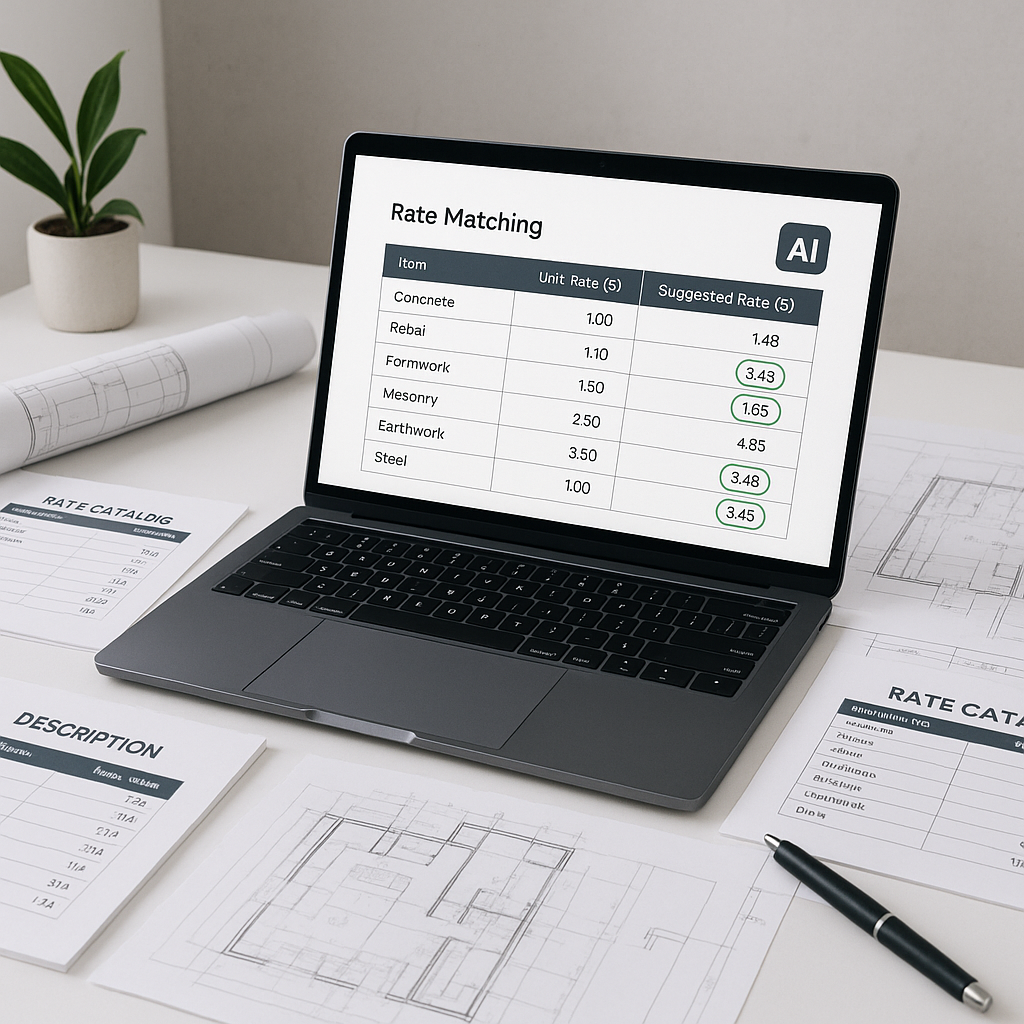
This is a valid concern. AI tools don’t replace human expertise; they complement it. While AI can handle repetitive tasks like takeoffs, rate matching, and recalculations, estimators still make critical judgment calls, negotiate with subcontractors, and decide on project markups. AI serves as a tool to amplify efficiency, not a replacement for professional insight.
What to Watch Out For
AI tools are not without limitations. Here are some considerations:
- Input Quality: Poor-quality PDF drawings or inconsistent naming conventions can affect AI performance.
- Manual Review: Low-confidence measurements flagged by the AI should be reviewed to ensure accuracy.
- Learning Curve: Initial projects may require more oversight as the team becomes familiar with the tool.
FAQ
Q: How accurate are AI-powered takeoffs?
AI tools can significantly reduce discrepancies, but manual oversight is essential for critical measurements.
Q: Do AI tools work for small projects?
Yes, AI tools are scalable and can be used for projects of varying sizes.
Q: Can AI handle revised drawings?
Yes, many AI tools can compare revisions and automatically flag changes for review.
Conclusion
AI-powered tools are transforming the way construction takeoffs are performed, offering faster, more efficient workflows. By automating repetitive tasks, these tools allow estimators to focus on higher-value activities, improving overall project efficiency. If manual takeoffs are slowing your team down, exploring AI solutions could be a worthwhile investment.