The Problem With Periodic Inspections
Inspections are the backbone of building maintenance. But let’s be honest—they’re also riddled with gaps. Most inspections happen quarterly, annually, or even less frequently. That leaves months where critical safety issues can fester unnoticed. For aging buildings, this is a recipe for disaster.
Think about it: a crack in the foundation doesn’t wait for the next scheduled check. It grows. Water intrusion, corrosion, and load-bearing stress don’t pause while you’re flipping through last year’s inspection logs. By the time someone catches the problem, it’s often too late—and too expensive—to fix easily.
A 2022 report by the American Society of Civil Engineers (ASCE) highlighted that 42% of U.S. bridges are at least 50 years old, with many nearing the end of their designed service life. Regular inspections help, but they can’t account for the real-time risks of aging infrastructure. Similar trends exist globally—aging infrastructure is a silent ticking bomb.
Why Aging Buildings Need a Smarter Approach
The older a building gets, the more unpredictable its issues become. Corroding steel reinforcements, brittle concrete, and outdated electrical systems don’t announce themselves neatly. These problems often cascade—what starts as a small roof leak can weaken structural beams, short electrical circuits, and even compromise fire safety systems.
In many cases, the most dangerous failures come from things inspectors don’t see between visits. Rust forming behind a wall cavity. A hairline crack deep in a load-bearing column. Small shifts in a building’s settling patterns. These aren’t things a clipboard and flashlight will catch.
So what’s the alternative? Proactive monitoring. And yes, AI can help.
How AI-Powered Tools Fill the Gaps
AI in building safety isn’t just about fancy sensors. It’s about using technology to spot patterns and risks humans might miss. For example, AI tools can assess structural integrity as part of preconstruction and retrofitting workflows. While these tools are often built for estimators, the same principles apply: catching issues early saves money, time, and potentially lives.
Here’s how it works:
-
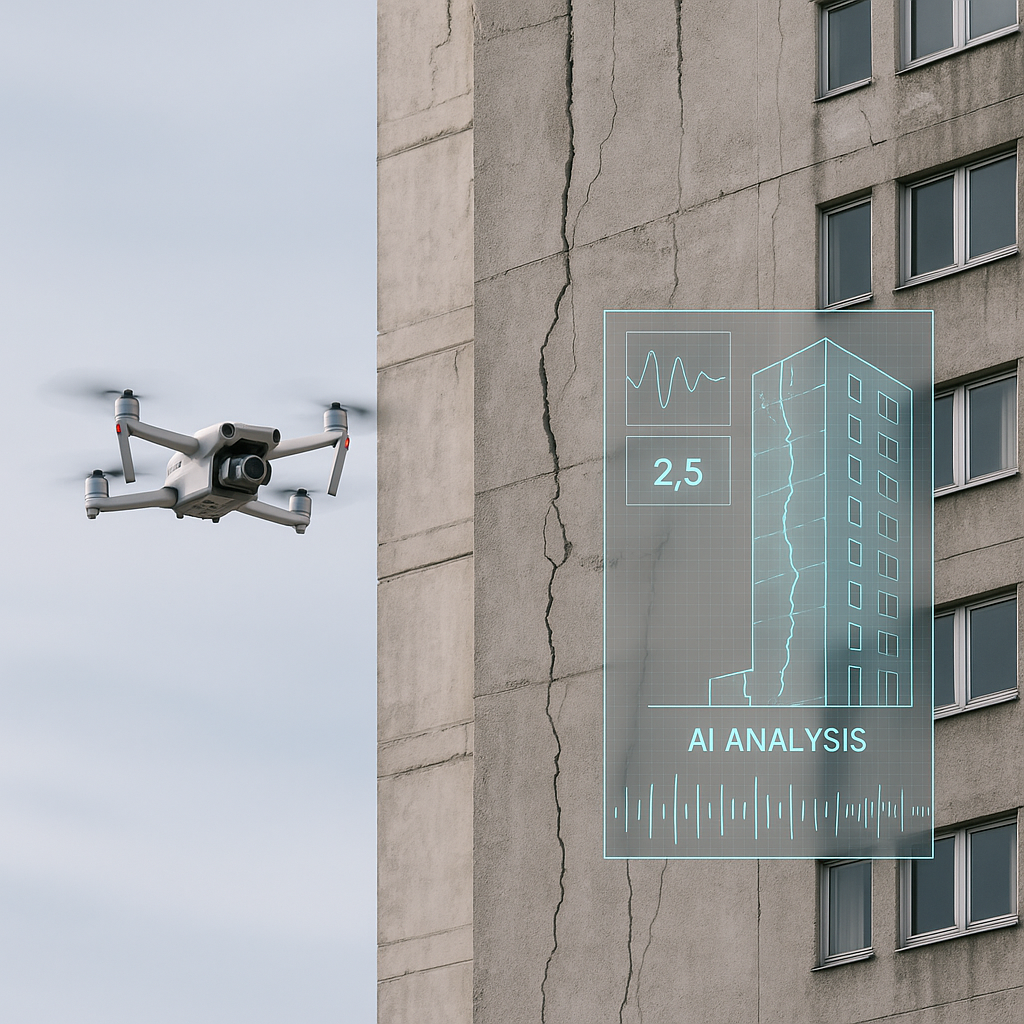
Continuous Data Collection: AI tools can process real-time input from IoT sensors, drones, and even old-fashioned inspection reports. For aging buildings, this means constant monitoring of things like vibration, temperature shifts, and material strain.
-
Predictive Analytics: Instead of waiting for visible signs of failure, AI can flag anomalies in the data. A small shift in a beam’s load distribution? That’s a red flag. A spike in moisture levels inside a wall cavity? Another one. These tools don’t just react—they predict.
-
Integration With Maintenance Plans: AI doesn’t replace inspectors; it makes their job easier. By prioritizing areas of concern, these tools help inspection teams focus where it matters most. Why spend half a day on a structurally sound wing when another area is clearly under stress?
The Consequences of Inaction
Ignoring these tools isn’t just risky—it’s negligent. Aging infrastructure is already a global crisis. In 2021, the Champlain Towers South collapse in Florida killed 98 people. Investigations revealed long-standing structural issues that went unaddressed for years. Periodic inspections noted the problems, but no action was taken in time.
This isn’t an isolated case. The same risks exist in high-rise apartments, office towers, schools, and hospitals worldwide. Manual workflows, delayed reports, and reactive maintenance plans leave buildings—and their occupants—vulnerable.
Common Objections (And Why They Don’t Hold Up)
- “We already have a maintenance plan.”
Plans are great, but are they dynamic? AI tools adapt in real-time, spotting risks your static checklist can’t. Maintenance plans are only as good as the data feeding them.
- “We can’t afford AI systems.”
Can you afford a catastrophic failure? AI platforms often cost a fraction of what a major repair or legal liability from a collapse would.
- “It’s too complex to implement.”
Modern AI tools are built for simplicity. They integrate with existing workflows like Excel, Bluebeam, and RSMeans. You don’t need a PhD in data science to use them.


