Why Infrastructure Projects Are Stuck in the Past
Infrastructure projects are massive undertakings—think highways, rail bridges, or floodwater systems. These jobs need precision from start to finish, especially during preconstruction. But here's the ugly truth: most teams still rely on methods that haven't evolved in decades. Manual drawing takeoffs, flipping through rate books, and rebuilding spreadsheets for every what-if scenario.
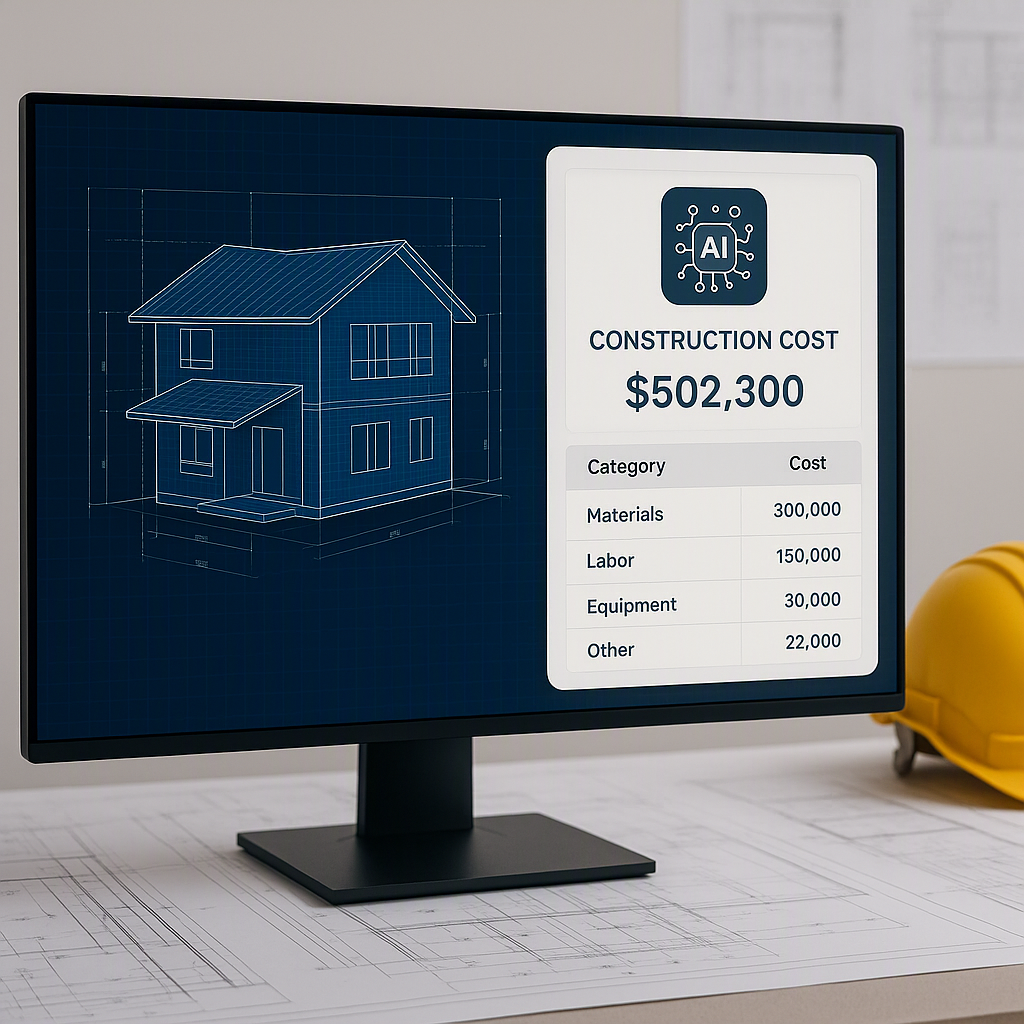
Take a large floodwater management project. It required weeks of manual quantity takeoffs. That’s thousands of man-hours burned just to measure areas and count fixtures. The contractor responsible slashed that to days using AI estimation tools like EstimateNext. How? Vision AI handled drawing takeoffs in just 10 minutes where manual processes took 40 hours. That’s two full workweeks saved per bid.
But this isn’t an isolated case. Across the construction industry, companies are starting to see that sticking to old methods isn’t just inefficient—it’s costly.
The Brutal Math: Speed + Accuracy
Let’s break it down. On a typical infrastructure bid:
- Takeoff Time (Manual): 40 hours (two estimators working full-time for two days).
- Takeoff Time (AI): 10 minutes.
That’s not just faster—it’s a 99% reduction. And it’s not just about speed. AI tools also improve accuracy by up to 80%, especially in complex drawings where human error is common. A bot doesn’t misread dimensions or skip a page.
Real-World Example: Middle-Market Contractor Gains Ground
A mid-sized civil contractor in Texas shared their experience with AI-powered estimation. Before adopting automation, they averaged 10 bids per month, winning about 20% of those. After implementing an AI platform, they were able to double their bids without adding staff. Their win rate jumped to 30%, resulting in $4.5M in additional revenue in a single year.
What It Means for You
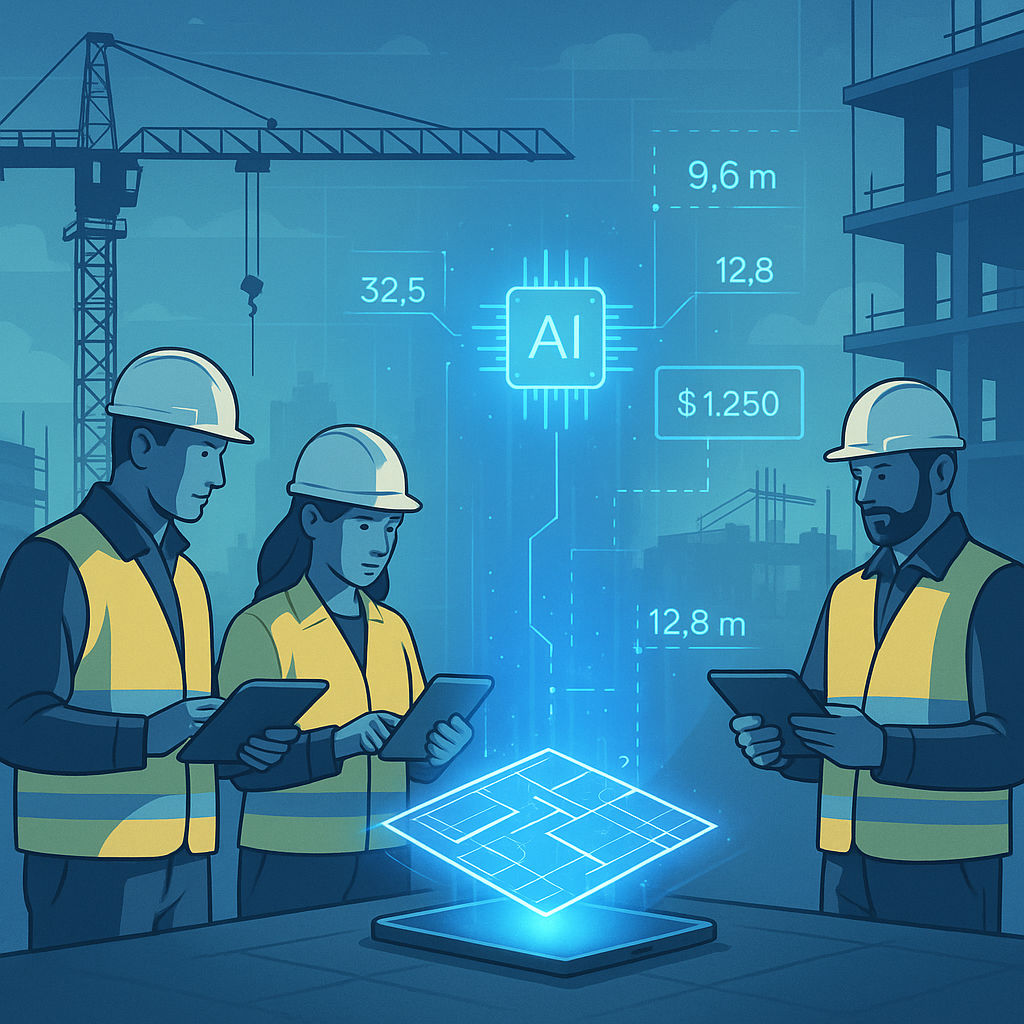
You might be thinking: “Sure, AI is fast, but can it really replace the judgment of a seasoned estimator?” It doesn’t have to. AI amplifies your expertise. You’re still making the big calls—like negotiating with subs or deciding on markup—but the grunt work is automated.
ROI That’s Hard to Ignore
Speed is great, but what about money? Let’s talk ROI.
For a GC preconstruction director, every hour saved on estimation translates into real dollars. If your team bills $130/hour, saving 40 hours per bid means $5,200 saved. Multiply that by five GMP pursuits a year, and you’re looking at $26,000 in avoided costs. Now compare that to the $99/month cost of an AI estimation tool like EstimateNext. That’s a 52X ROI.
Subcontractors see even bigger gains. A mid-sized MEP firm priced 50% more bid packages last year by switching to AI tools. That led to 6 additional wins at an average $200K margin per project—$1.2M in incremental revenue.
Hidden Costs of Manual Estimation
Manual methods have costs you might not see on the surface:
- Rework Costs: Small errors in takeoffs can lead to big overruns. For example, a missed fixture count on a $2M plumbing job added $150K in change orders.
- Lost Opportunities: If your estimation team is tied up on one project for weeks, what happens to the bids you don’t even get to? AI tools let you handle more bids simultaneously.
- Burnout: Long hours on tedious tasks like takeoffs can lead to employee dissatisfaction and turnover.
What-If Scenarios Without the Spreadsheet Headache
Manual estimation isn’t just slow—it’s rigid. Change one rate in Excel, and you’re rebuilding the entire workbook. AI-powered tools handle what-if scenarios in real time. Want to adjust material inflation by 6.2%? Done. Need to see how a 10% markup affects your bottom line? Instant results with an audit trail.
Case in point: a major contractor’s regional rail bridge bid. While specifics aren’t public, industry insiders speculate that their ability to quickly iterate pricing gave them the edge. Competitors relying on manual processes couldn’t keep up with the pace. Source.
Actionable Steps to Maximize What-If Scenarios
- Input Realistic Variables: Ensure your cost catalog is up to date with real-world rates.
- Simulate Market Shocks: Test scenarios like material shortages or sudden labor rate increases.
- Collaborate in Real Time: Share live updates with stakeholders to align on pricing strategies faster.
The Obvious Objection: “But AI Can’t Think Like an Estimator”
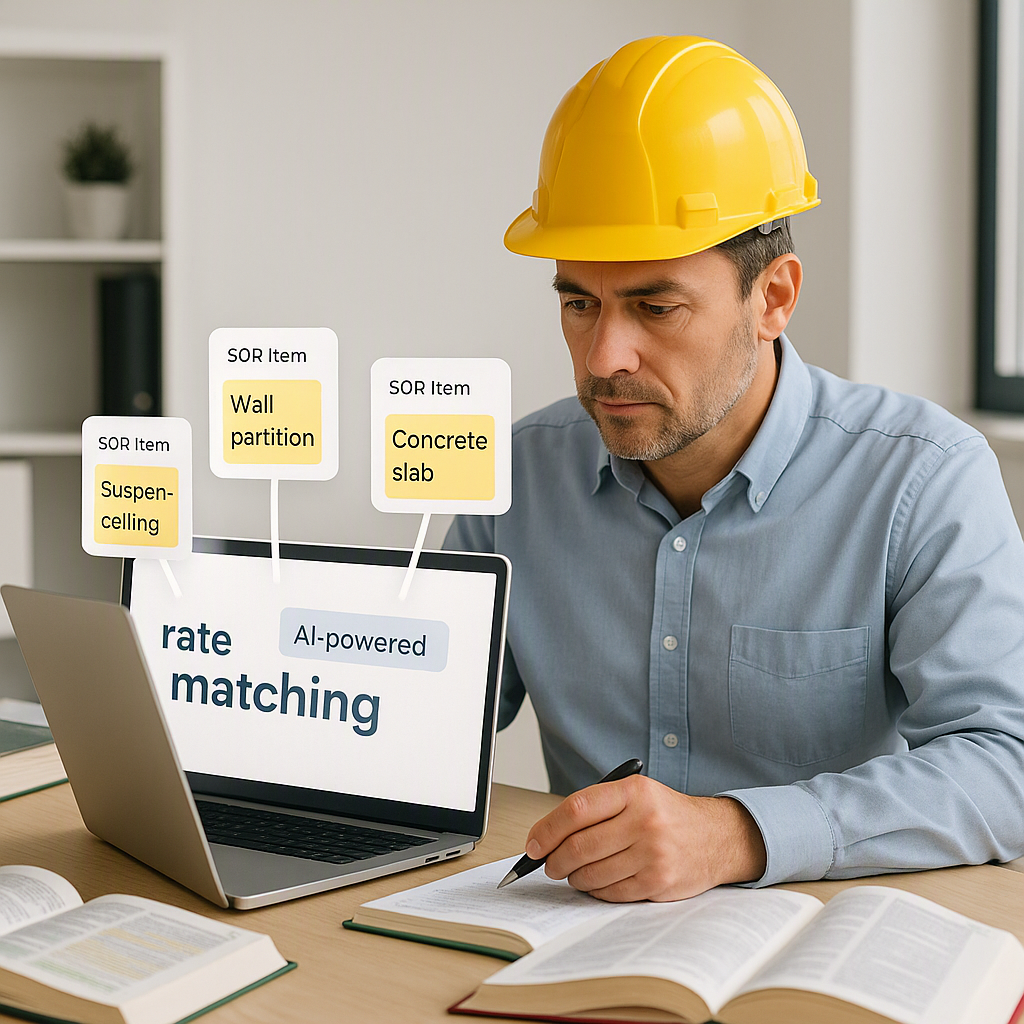
Fair point. AI doesn’t understand the nuances of construction. It won’t tell you if a subcontractor is overcharging or if a design spec is unrealistic. But it doesn’t need to. It’s a tool, not a replacement. In my view, the best approach pairs junior estimators with AI platforms, freeing up senior staff for high-value tasks. Let the AI handle takeoffs and rate matching while your experts focus on strategy.
How to Blend Human Expertise with AI
- Assign Roles: Use junior staff to operate AI tools and manage data entry.
- Focus Seniors on Strategy: Experienced estimators should focus on high-level decision-making, like risk analysis or subcontractor negotiations.
- Review AI Outputs: Always validate AI-generated estimates before submission.
FAQ Section
Q: How accurate are AI-powered estimates compared to manual ones?
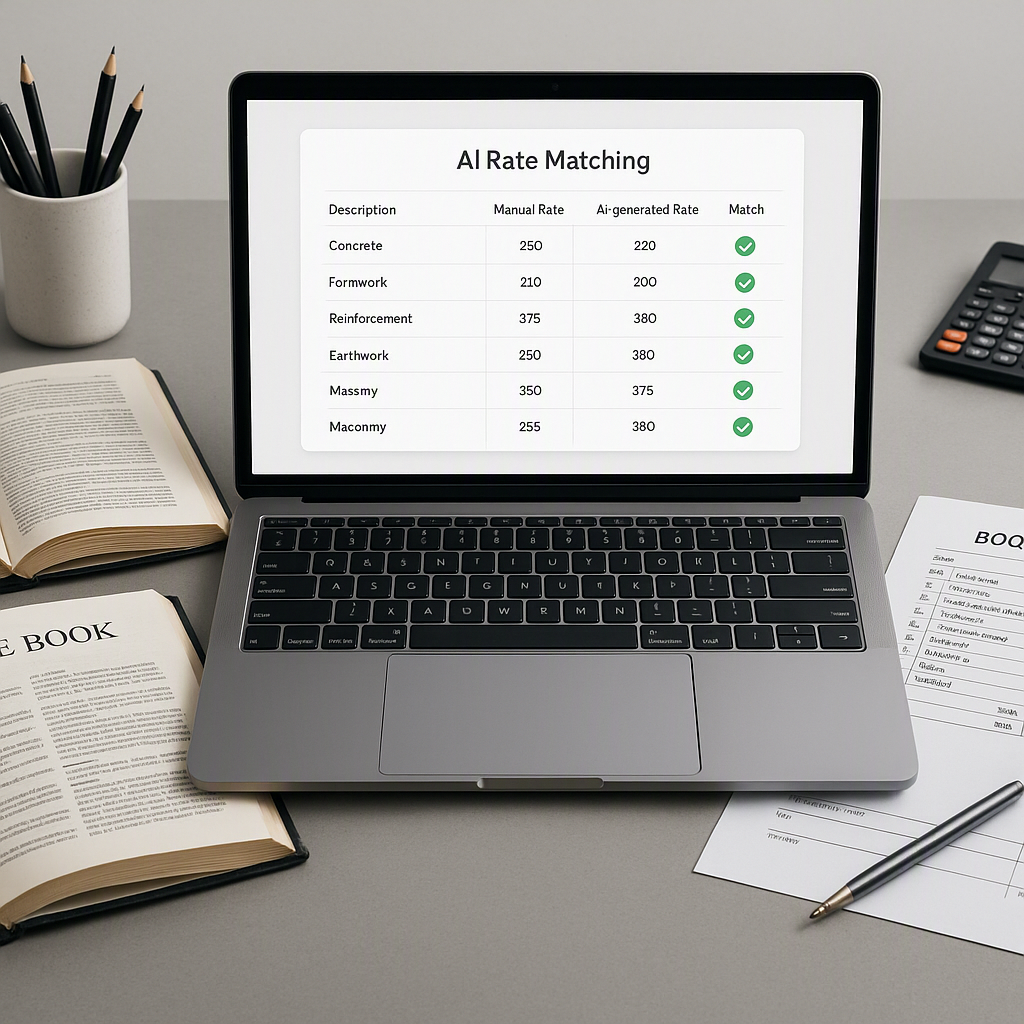
AI tools reduce takeoff discrepancies by up to 80%, but accuracy depends on input quality. Human oversight is still essential. Source.
Q: Can smaller contractors afford AI tools?
Yes. Platforms like EstimateNext start at $39/month, making them accessible even to regional contractors. Source.
Q: How steep is the learning curve?
Most AI tools are designed for ease of use. Training typically takes less than two weeks. Source.
Q: What if my rates are custom or project-specific?
AI tools let you upload your own rate catalogs or define custom rates, ensuring your estimates reflect actual costs. Source.
Q: Can AI tools handle multi-market complexity?
Yes. Tools like EstimateNext manage varying measurement standards, currencies, and tax regimes through a MarketProfile architecture. Source.
Decision Framework: Is AI Right for Your Team?
| Criteria | Manual Estimation | AI-Powered Estimation |
|---|---|---|
| Speed | Slow (40+ hours per bid) | Fast (10 minutes per bid) |
| Accuracy | Prone to errors | 80% improvement |
| Cost | High (labor-intensive) | Low ($39–$99/month) |
| Scalability | Limited | Unlimited |
| Ease of Iteration | Tedious | Instant |
Final Thoughts
Infrastructure projects don’t have room for inefficiency. If you’re still wasting hours on manual takeoffs or rate lookups, it’s time to rethink your workflow. AI-powered estimation tools like EstimateNext aren’t just faster—they’re smarter, more accurate, and deliver ROI that’s hard to ignore.
If you're dealing with slow, manual estimation, EstimateNext can help. Get started free →