Blog
Latest articles and insights from EstimateNext
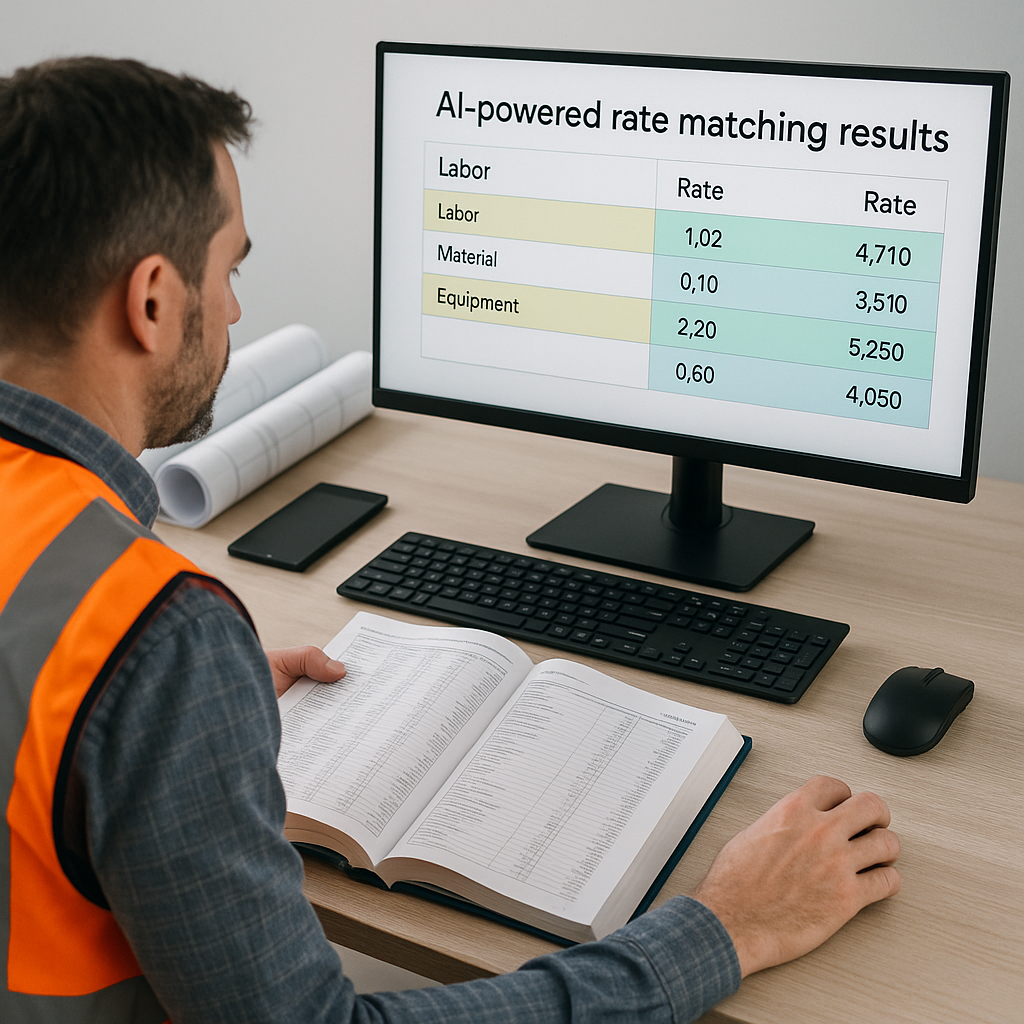
78,000 Rates Matched in Seconds: AI's Shortcut for Estimators
Flipping through rate books eats up hours per bid. AI-powered rate matching cuts that to seconds and gets smarter with every use. Here's how.
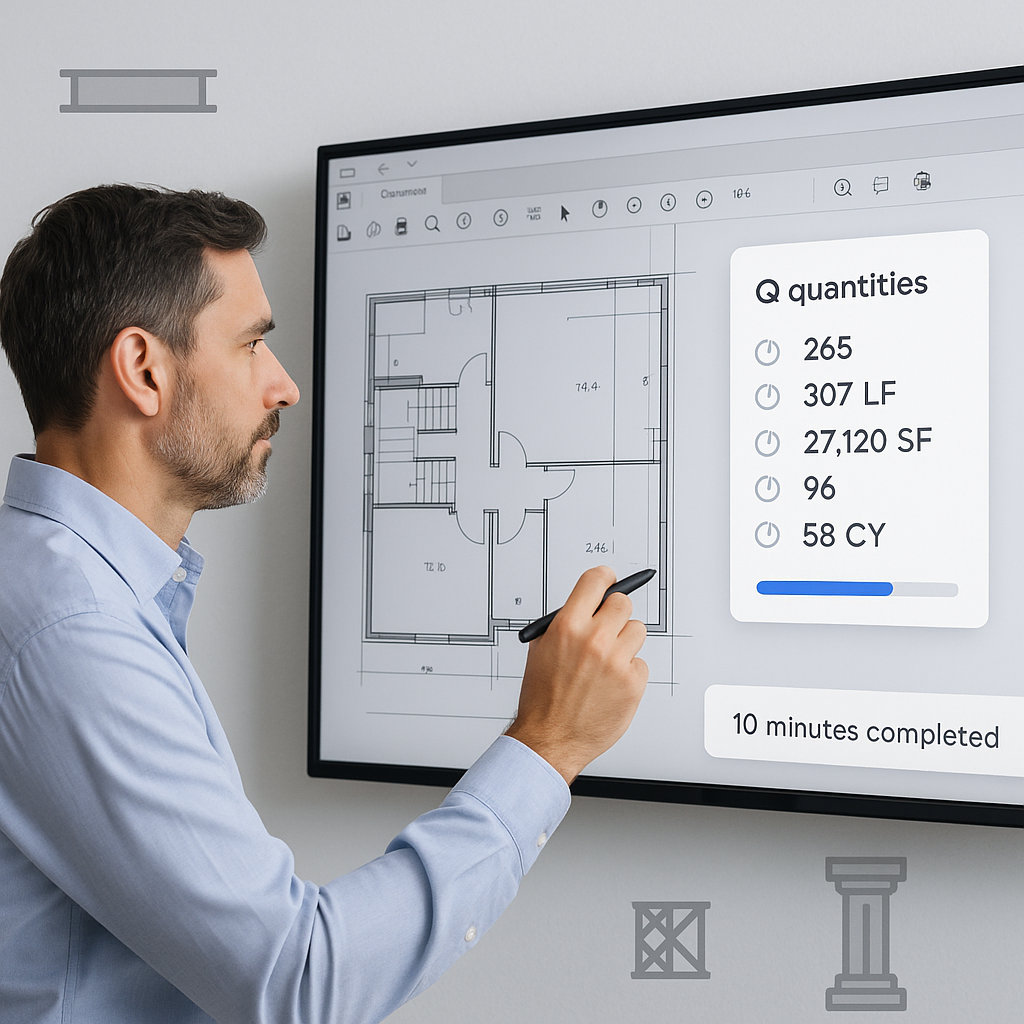
10 Minutes vs 40 Hours: The Brutal Math of AI Takeoffs
Manual drawing takeoffs waste 40 hours per bid. AI-powered tools slash that to 10 minutes—without sacrificing accuracy. Here's how.
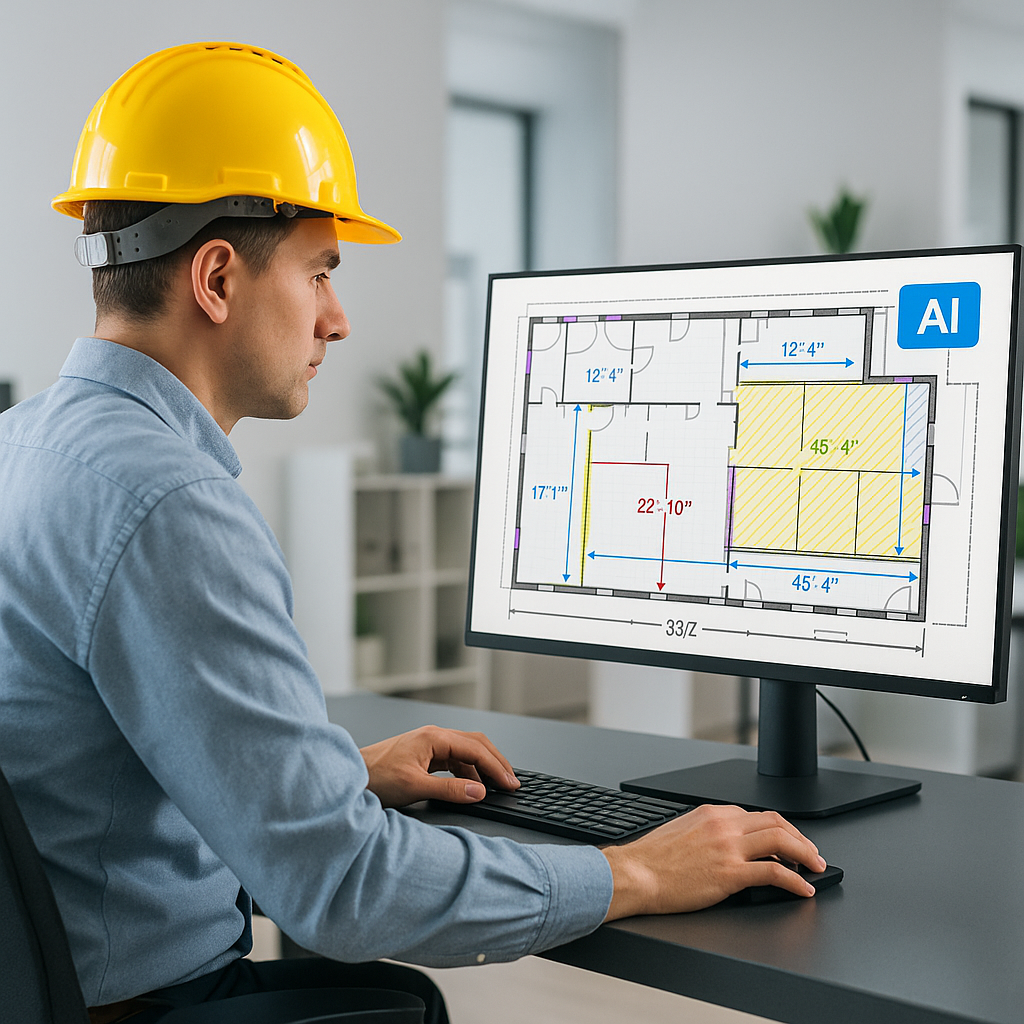
10X Faster Estimation: Why AI Saves GC Directors Time and Money
Manual drawing takeoffs waste 40 hours per project. AI-powered tools like Vision AI cut that to 10 minutes. Here’s how GC teams save weeks every year.
78,000 Rate Matches in Seconds: Why AI is Changing Construction Estimation Forever
Manual rate matching eats up 12 hours per estimate—and that’s for a single catalog. AI tools like EstimateNext cut it to seconds, saving time and boosting accuracy.
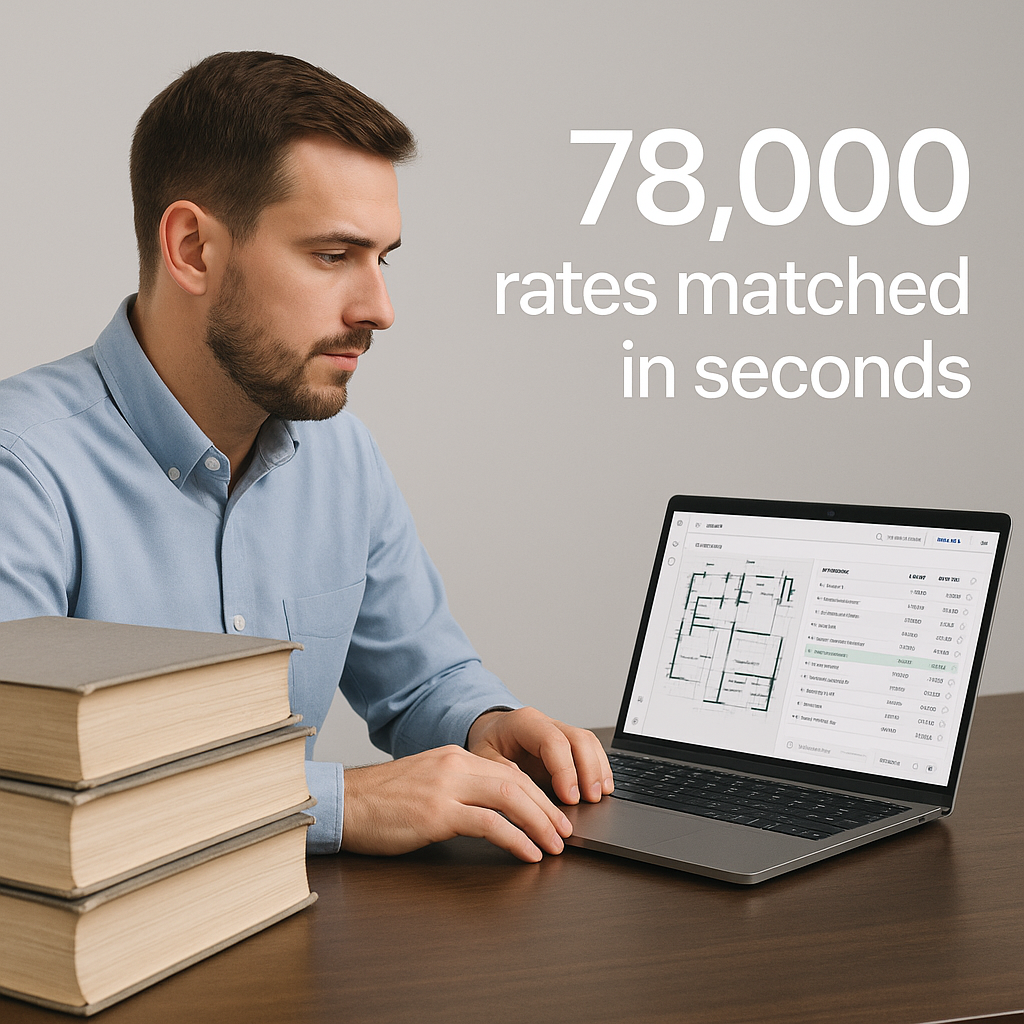
78,000 Rates in Seconds: The AI Shortcut Transforming Estimation
Flipping through 2,000-page rate books? AI-powered rate matching slashes hours into seconds. Here’s how estimators are reclaiming their time.
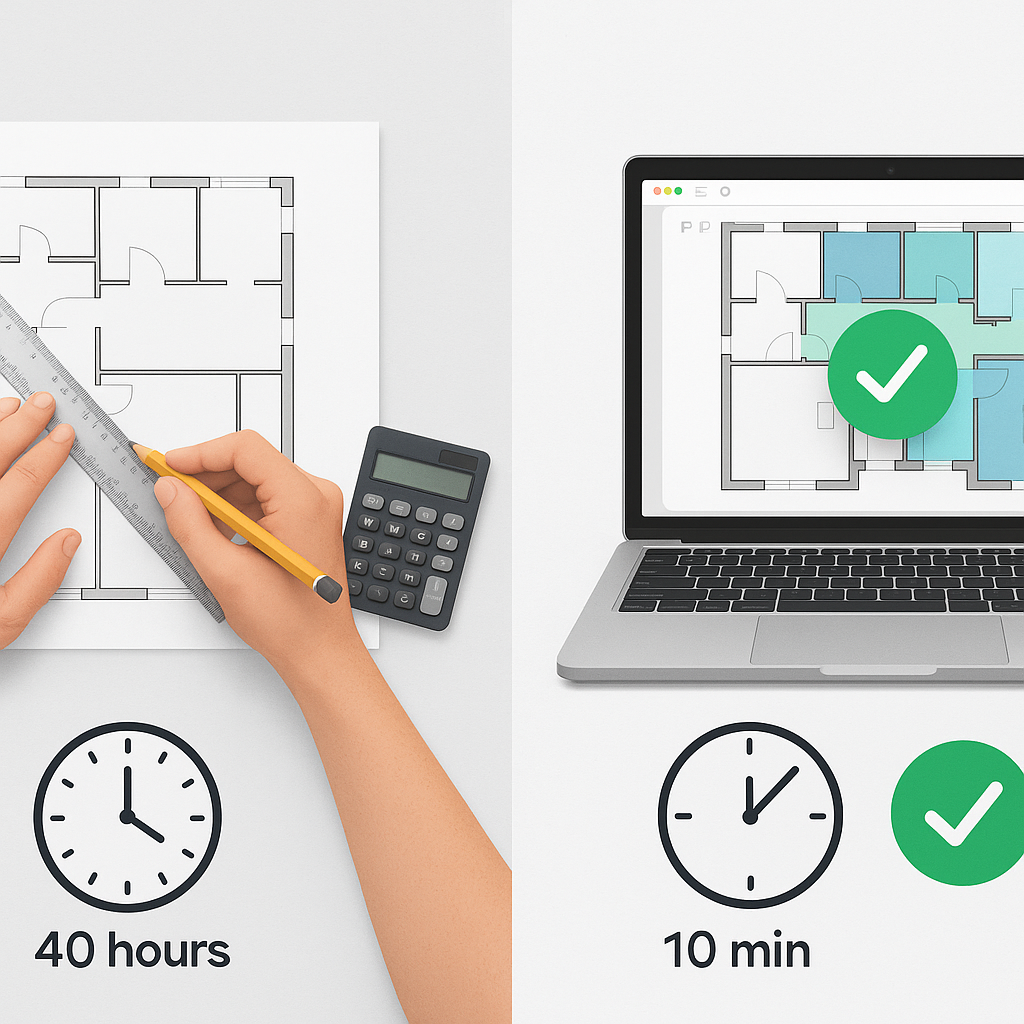
10 Minutes vs 40 Hours: The AI Shortcut Transforming Preconstruction Estimation
Manual drawing takeoffs waste 40 hours per project. AI tools like EstimateNext handle the same task in just 10 minutes. Here's how it works.
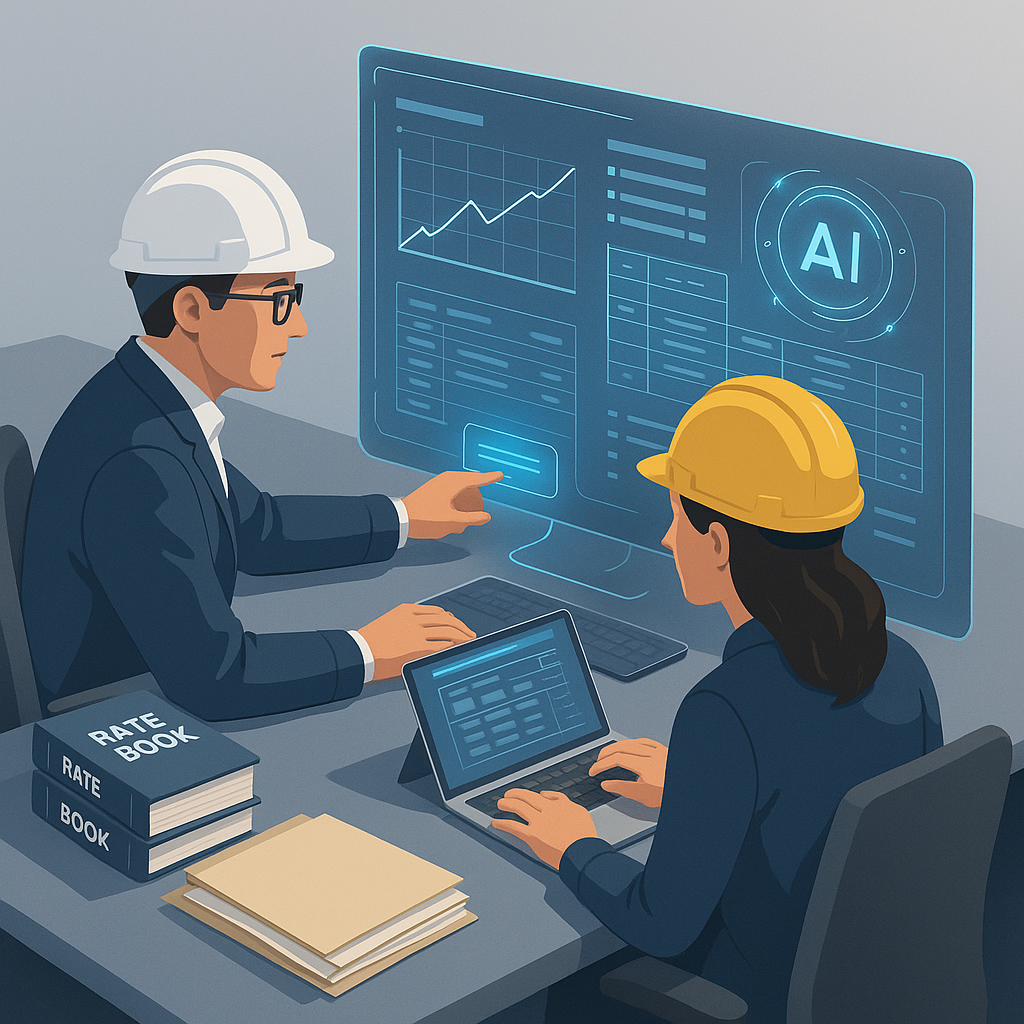
Why AI Rate Matching Saves 12 Hours Per Estimate (and Builds Trust)
Flipping through rate books eats up 12 hours per estimate. AI-powered rate matching does it in seconds—and it’s more reliable than you think. Here’s how.
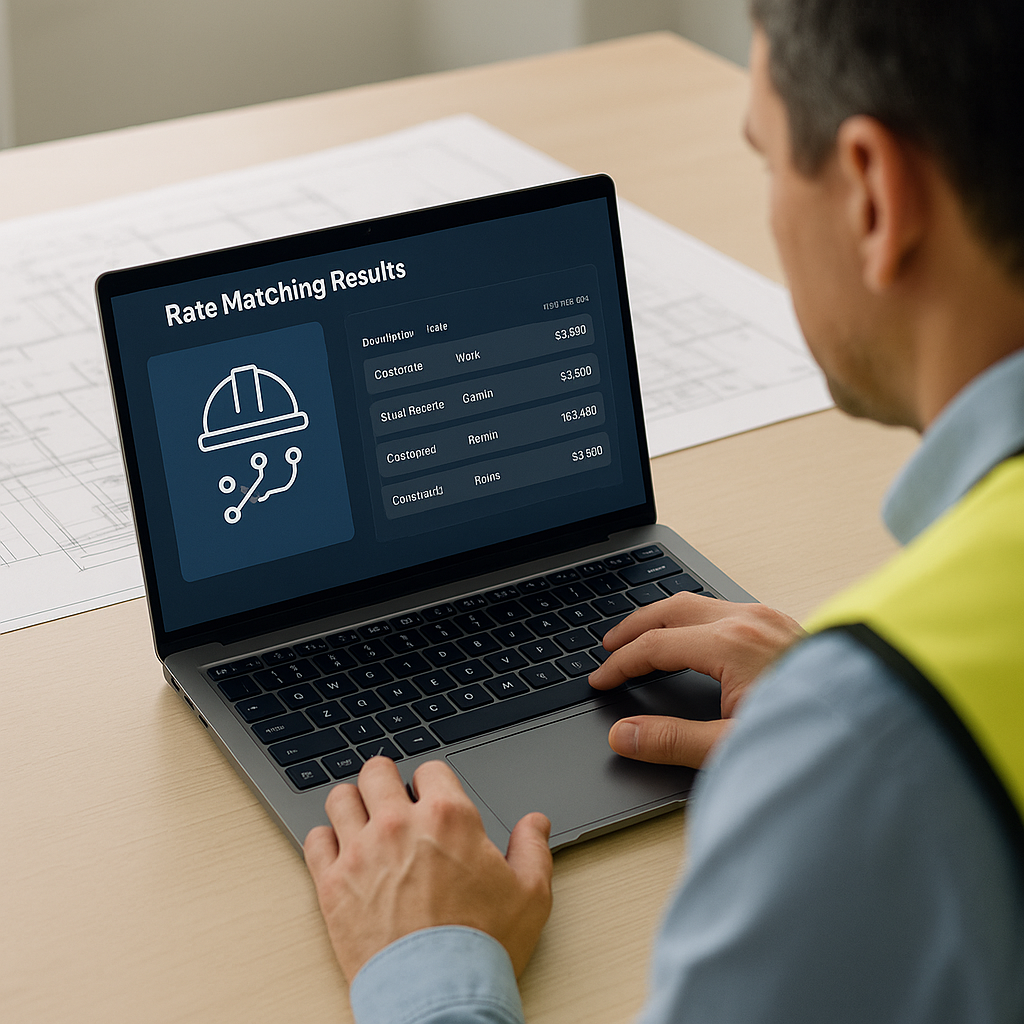
78K Rate Matches in Seconds? AI is Changing Preconstruction Forever
Tired of flipping through massive rate books for every estimate? AI tools like EstimateNext cut hours of manual work into seconds. Here's how it works.
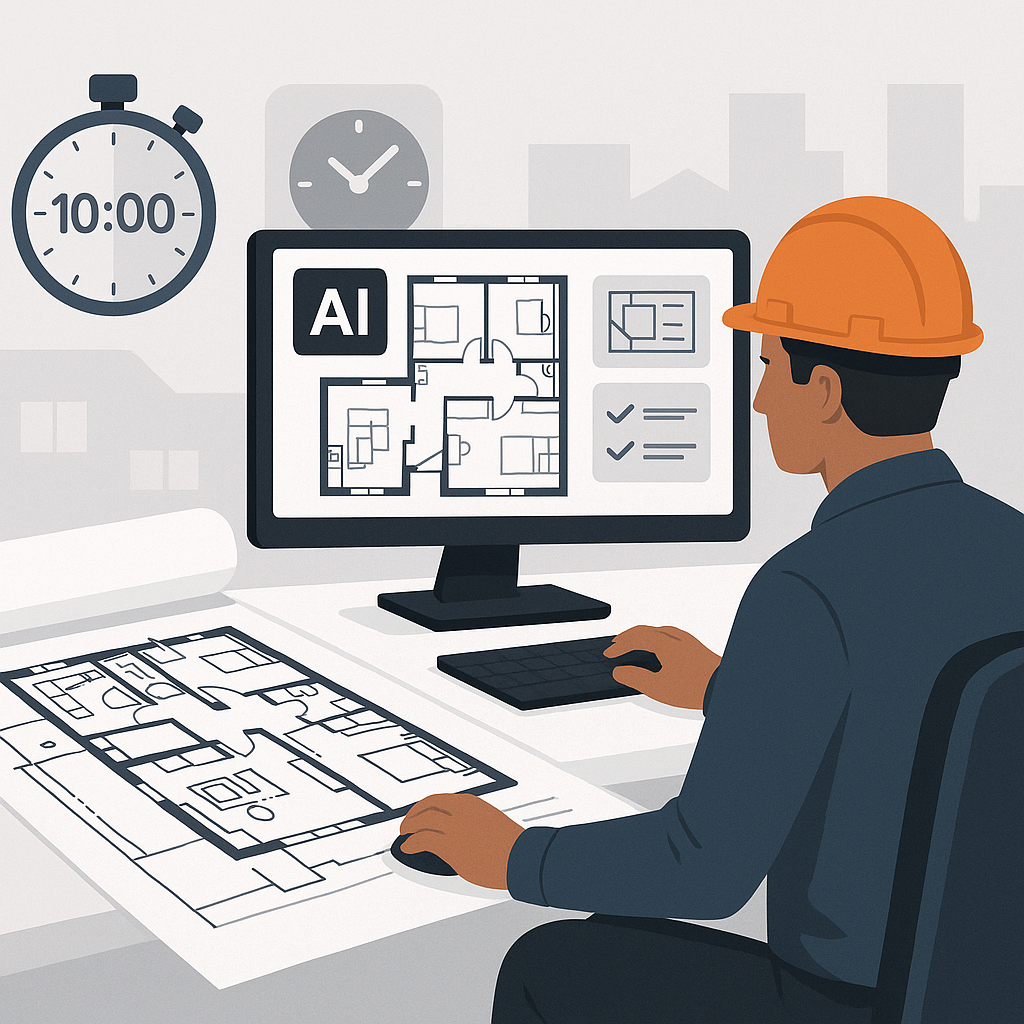
10 Minutes vs 40 Hours: How AI Is Reshaping Preconstruction Estimation
Manual drawing takeoffs waste 40 hours per project. AI tools like EstimateNext cut that to just 10 minutes. Here's how it works.
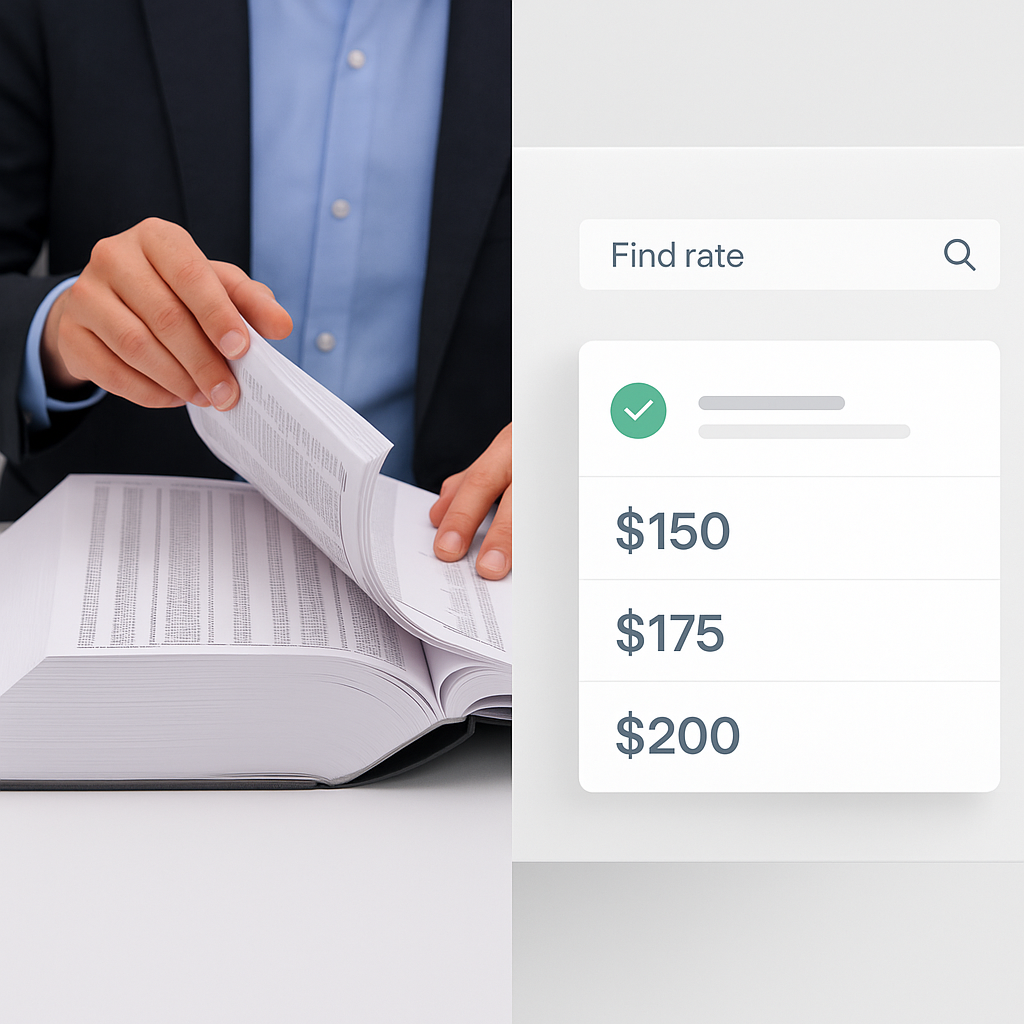
78K Rates Matched in Seconds: The AI Shortcut Estimators Need
Flipping through 2,000-page rate books? AI-powered rate matching cuts hours of manual work down to seconds. Here's how it works.
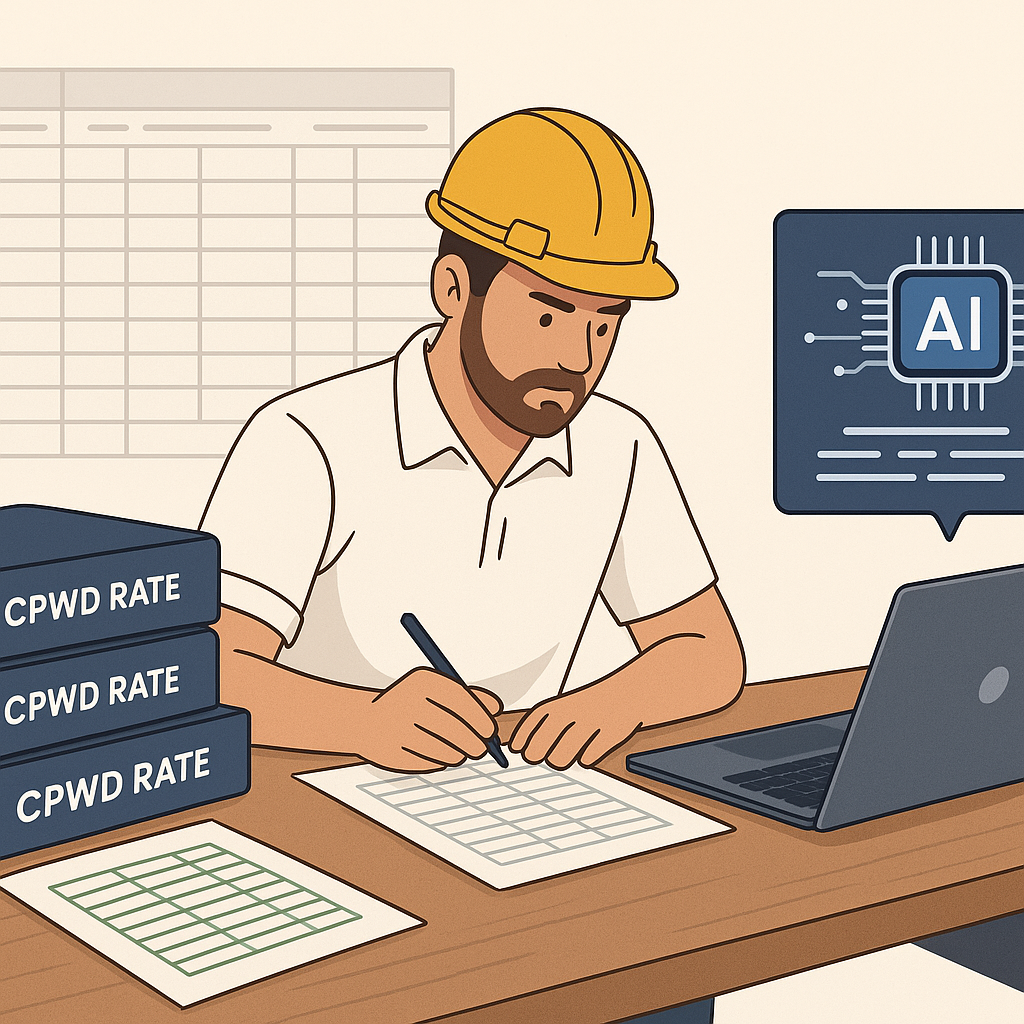
Stop Wasting Hours on CPWD DSR Updates: The AI Shortcut You Need
Manually updating CPWD rates is a time sink. AI tools now slash this process to minutes, ensuring compliance and saving hours on every bid.
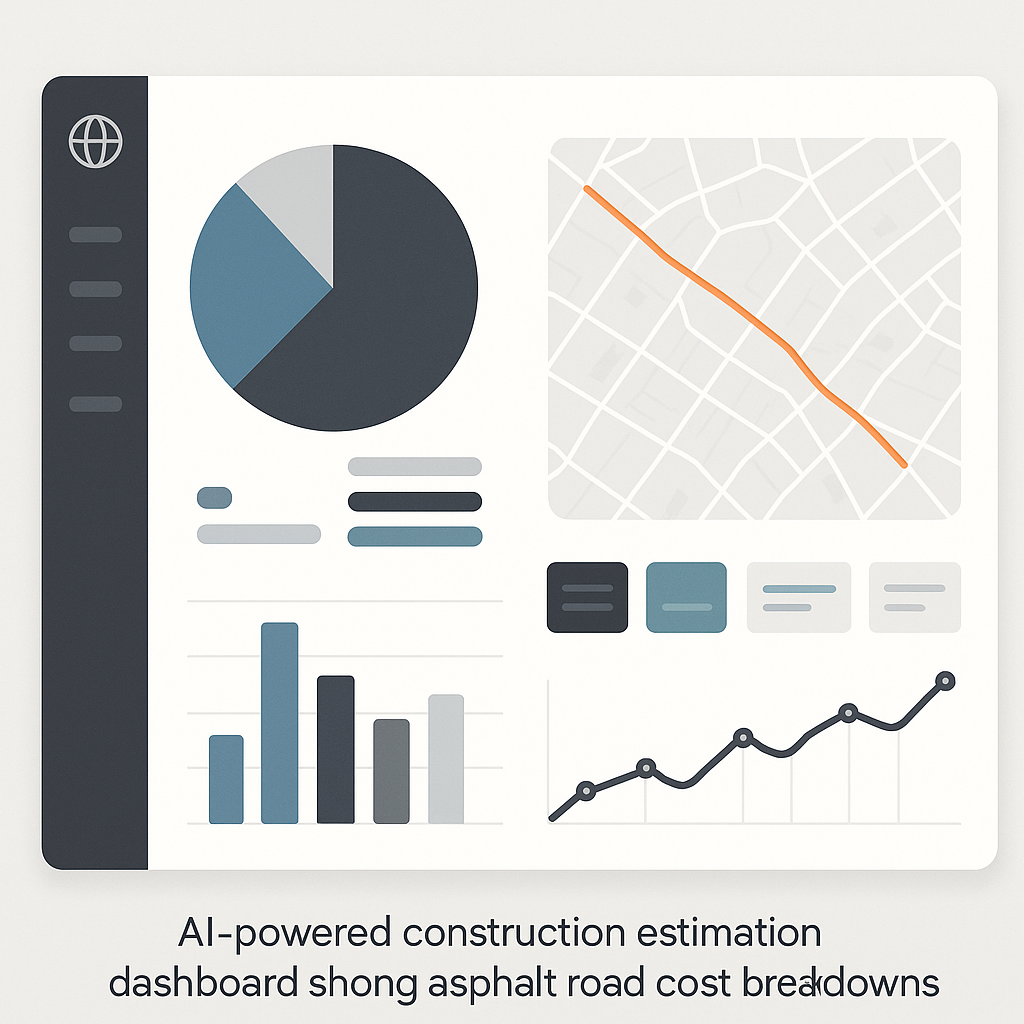
90% Faster Road Construction Rate Analysis: The AI Formula Contractors Need
Manual rate analysis for road construction is slow and error-prone. AI tools now cut the time by 90%, saving contractors thousands annually. Here's how.