Blog
Latest articles and insights from EstimateNext
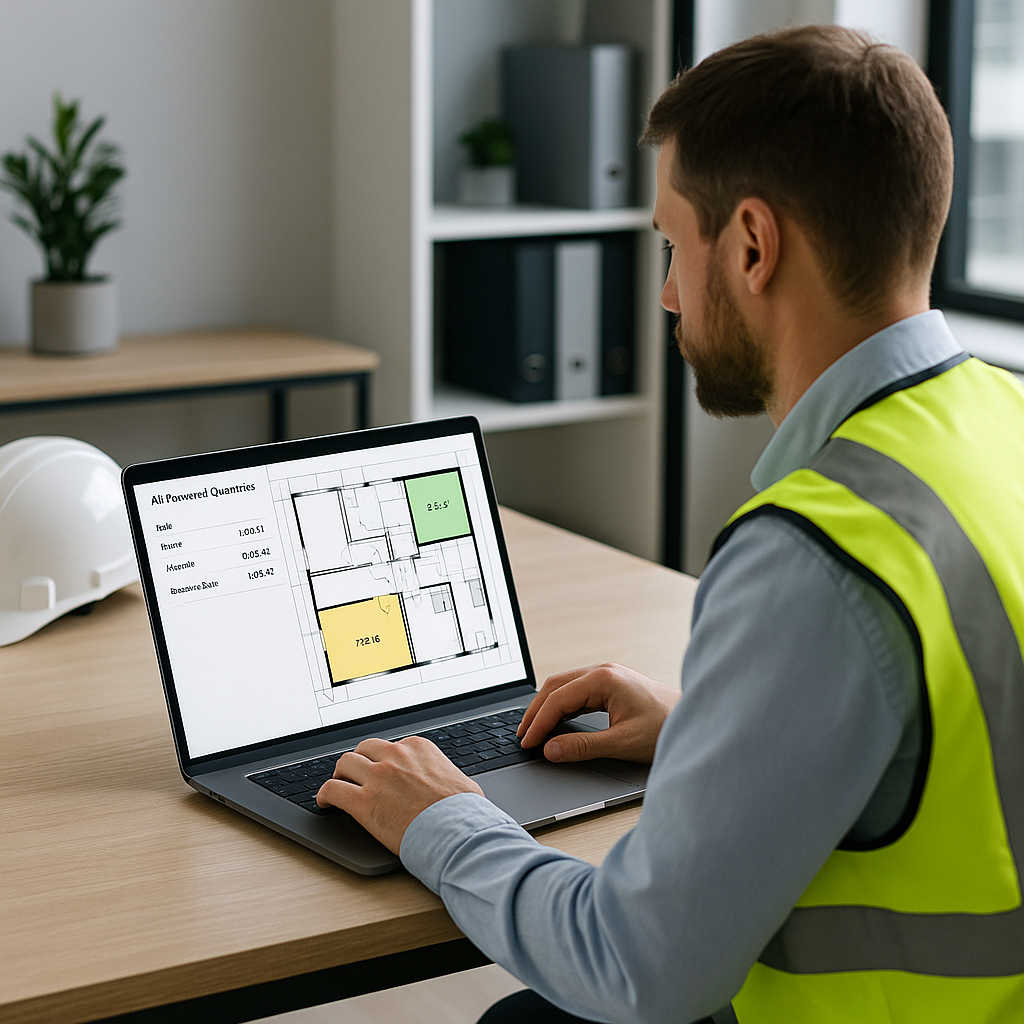
Stop Spending 40 Hours on Takeoffs: The AI Fix Every Estimator Needs
Manual takeoffs waste 40 hours per project. AI-powered tools like EstimateNext cut that down to 10 minutes — here's how it works and why it matters.
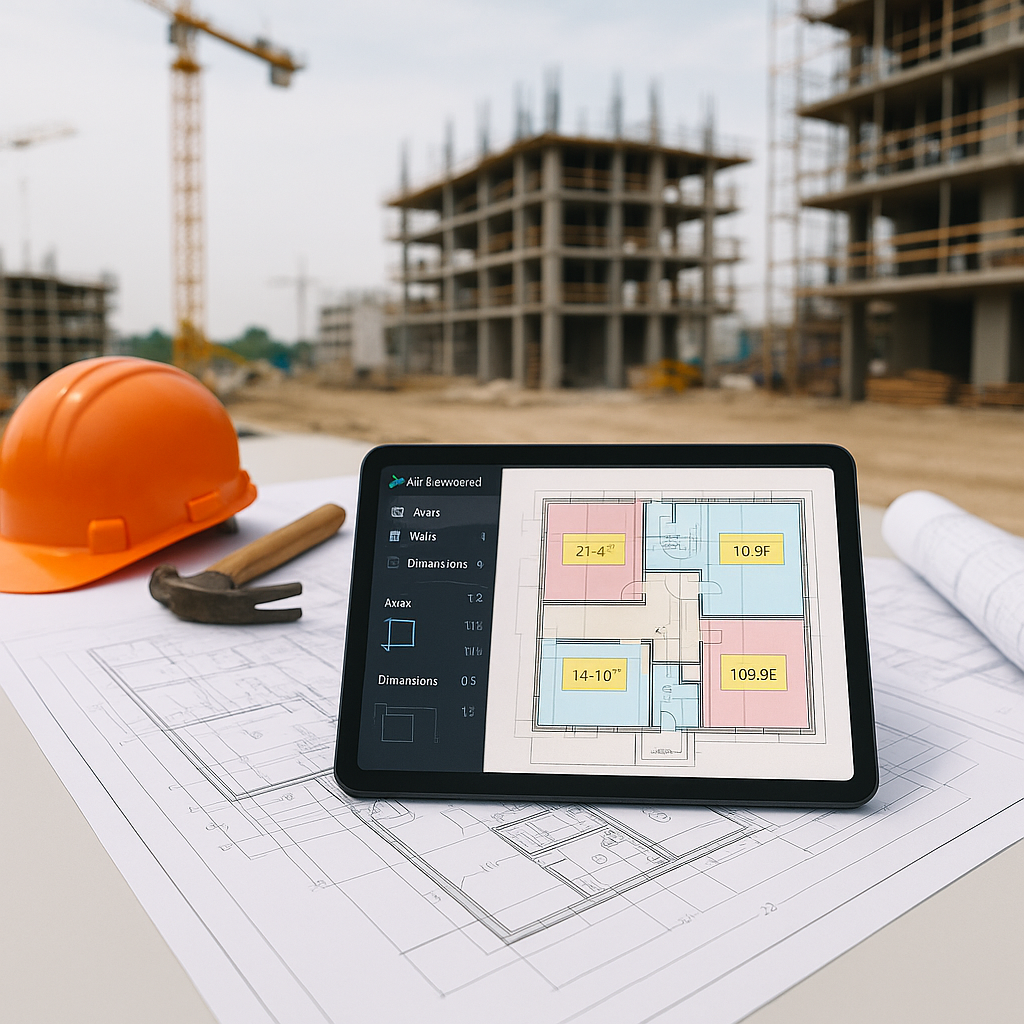
Stop Guessing: AI Cuts Estimation Time by 90% Without Losing Accuracy
Manual takeoffs waste weeks per project. AI-powered tools slash that to minutes—without sacrificing precision. Here's how it works.
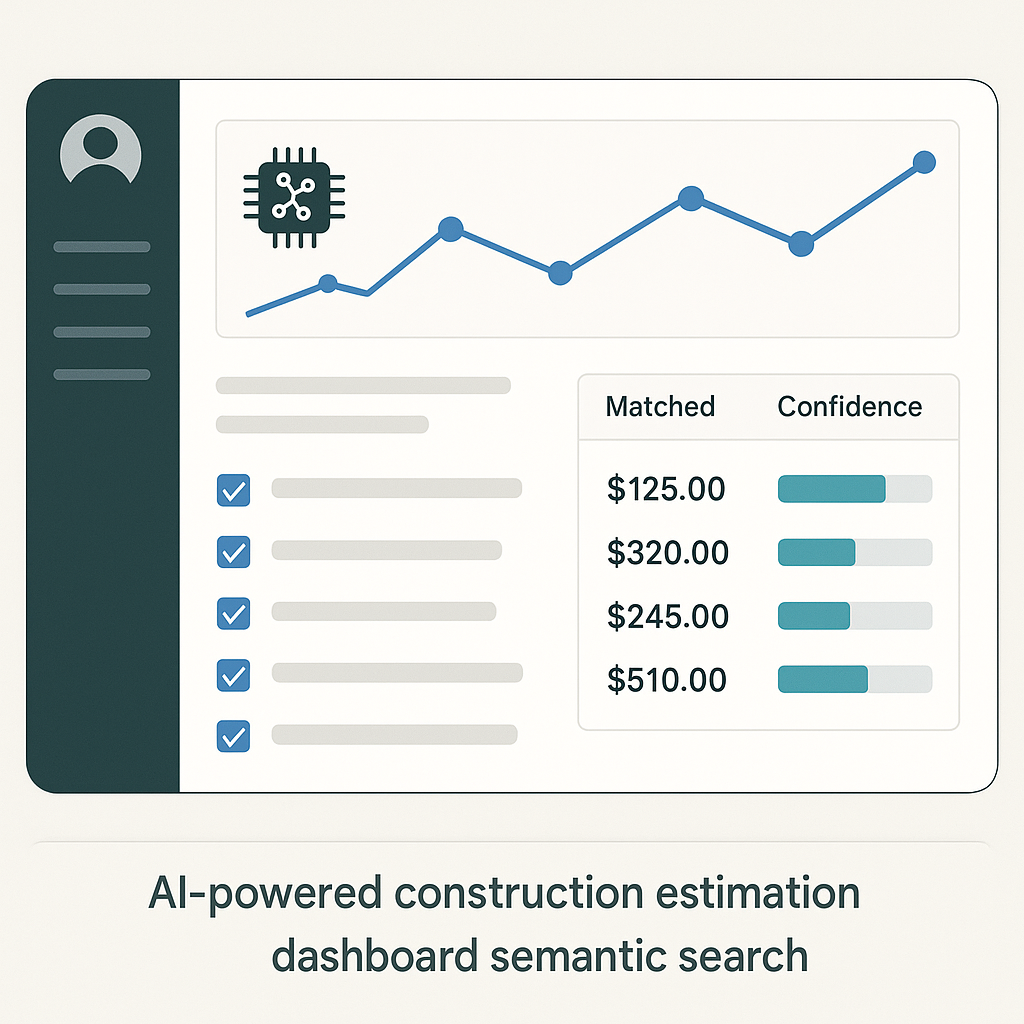
Why AI Rate Matching Saves Estimators Hours (and Headaches)
Still flipping through 2,000-page rate books for every bid? AI-powered rate matching fixes that in seconds, with 99% accuracy. Here's how it works.
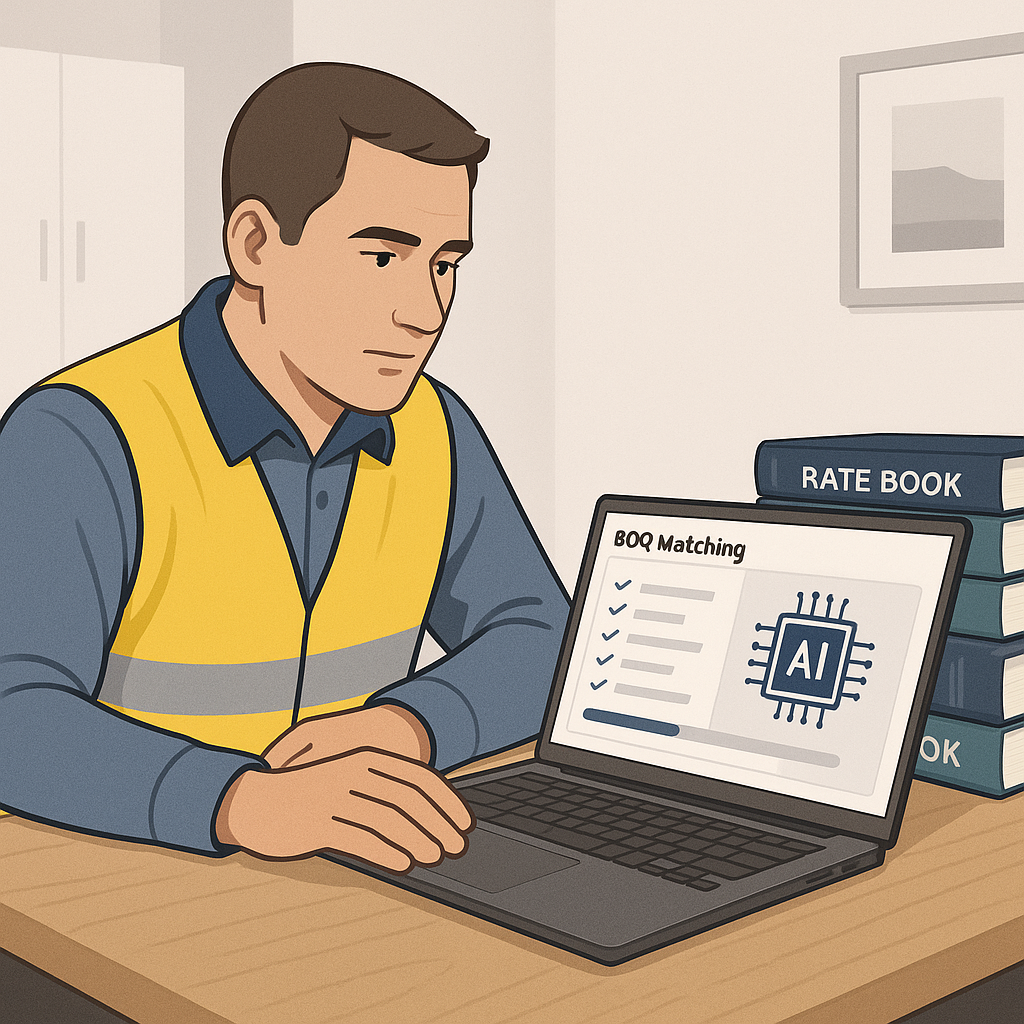
78,000 Rates in Seconds? Why AI Rate Matching is a Game-Changer for Estimators
Still flipping through 2,000-page rate books? AI-powered rate matching is slashing hours and making estimators' lives easier. Here's how it works.
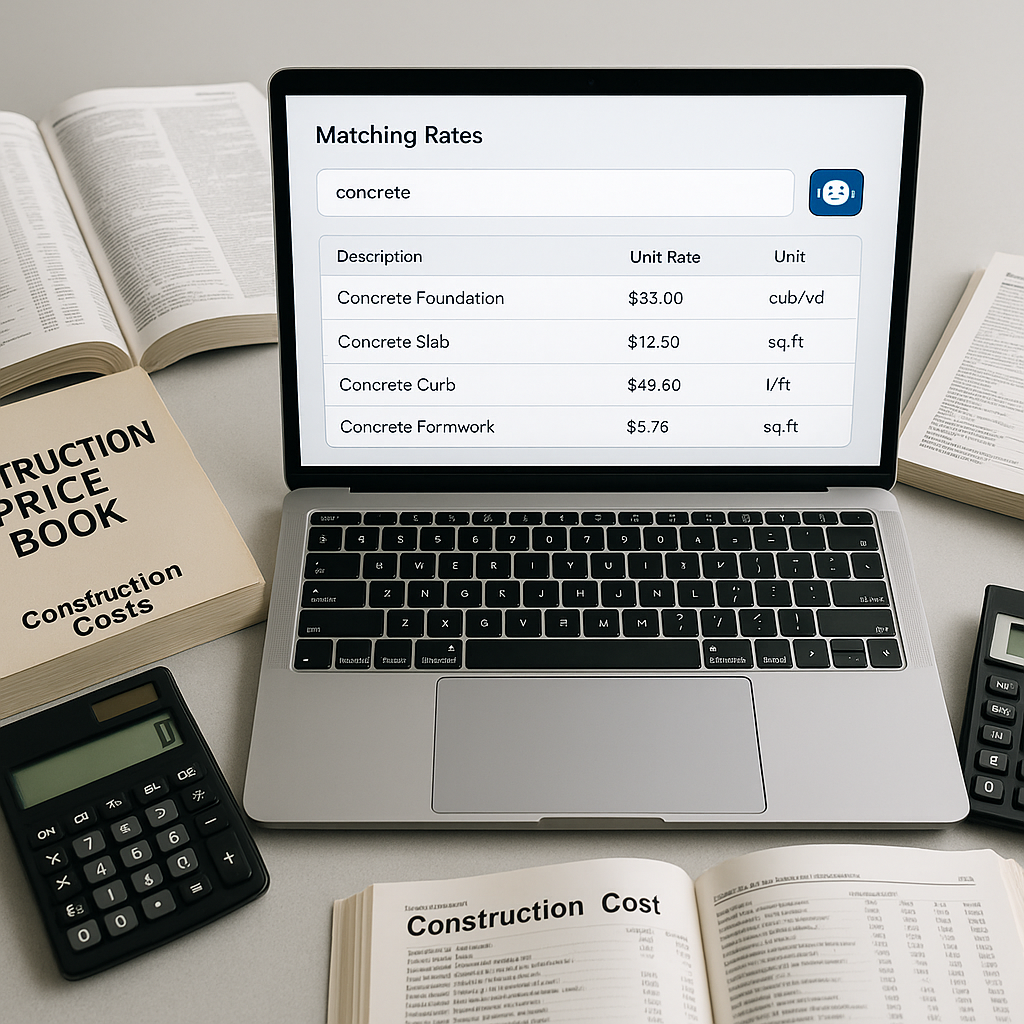
78,000 Rates in Seconds: How AI Fixes Preconstruction Bottlenecks
Still flipping through 2,000-page rate books? AI-powered tools can match 78,000+ SOR items in seconds, saving hours per estimate. Here's how it works.
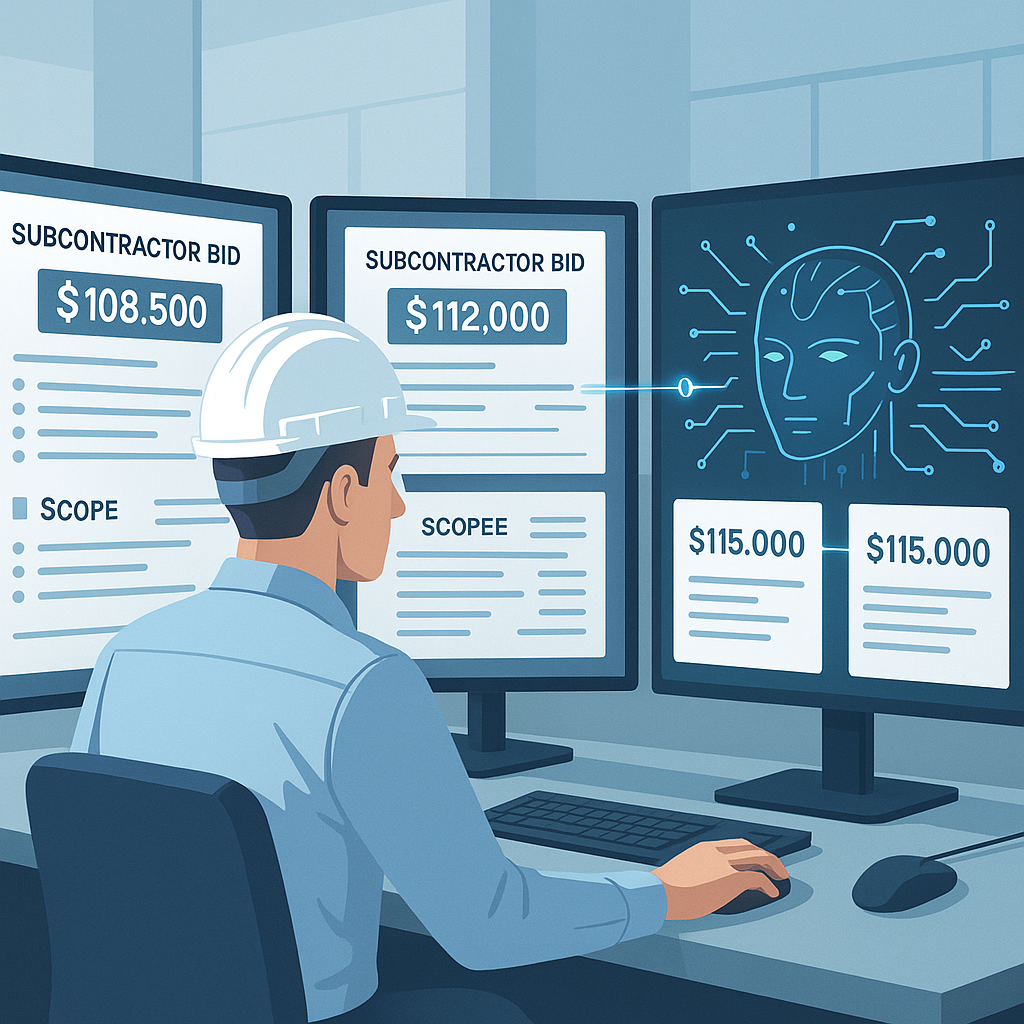
Stop Normalizing Sub Quotes by Hand: AI Can Do It in 30 Minutes
Still spending six hours leveling subcontractor bids manually? AI-powered tools like EstimateNext can slash that time to 30 minutes while maintaining accuracy. Here’s how it works.
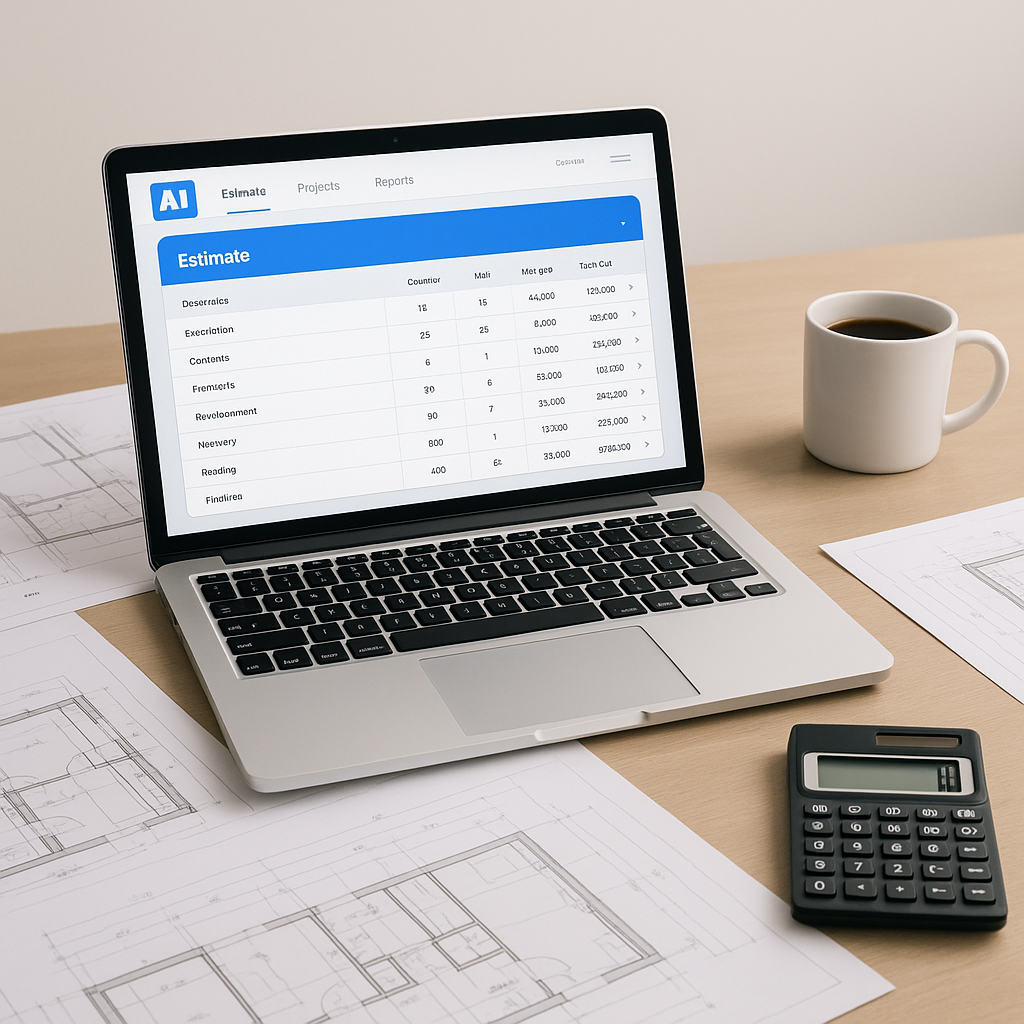
99% Faster Estimation: How AI Tools Are Reshaping Preconstruction
Manual rate lookups and takeoffs waste hundreds of hours every year. AI-powered tools like EstimateNext are flipping the script with 99% faster workflows. Here's how they actually work—and why you should care.
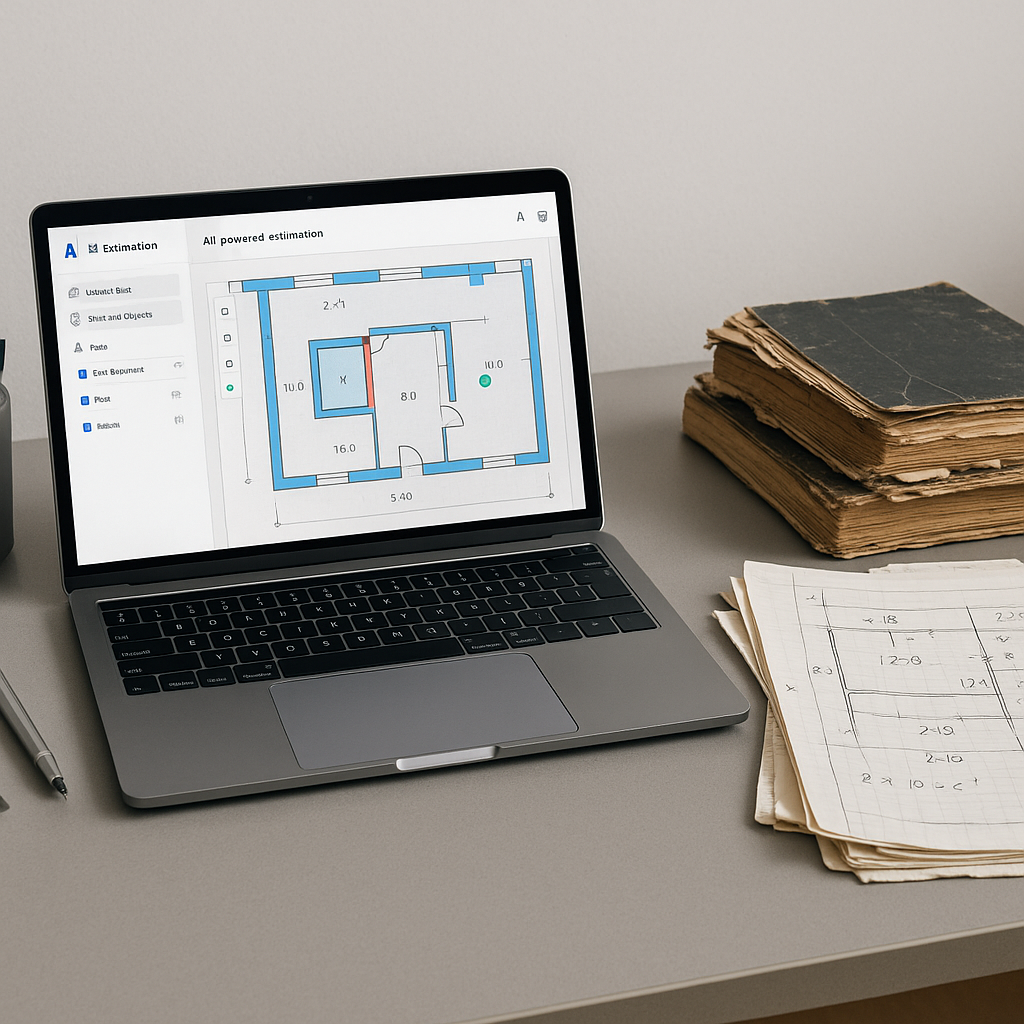
10 Minutes to Estimate: Why AI is the Only Tool Your Preconstruction Team Needs
Manual takeoffs waste 40 hours per estimate. AI-powered tools like EstimateNext can cut that to 10 minutes. Here’s the real impact on your team.

78K Rates in Seconds: How AI is Fixing Estimation Bottlenecks
Flipping through 2,000-page rate books for every bid? AI-powered preconstruction tools are solving this headache for estimators. Here's how.

Stop Guessing: AI Slashes Preconstruction Rate Lookup Time by 1,440X
Flipping through 2,000-page rate books is a waste of time. AI-powered tools like EstimateNext cut rate lookup from hours to seconds. Here's how it works.
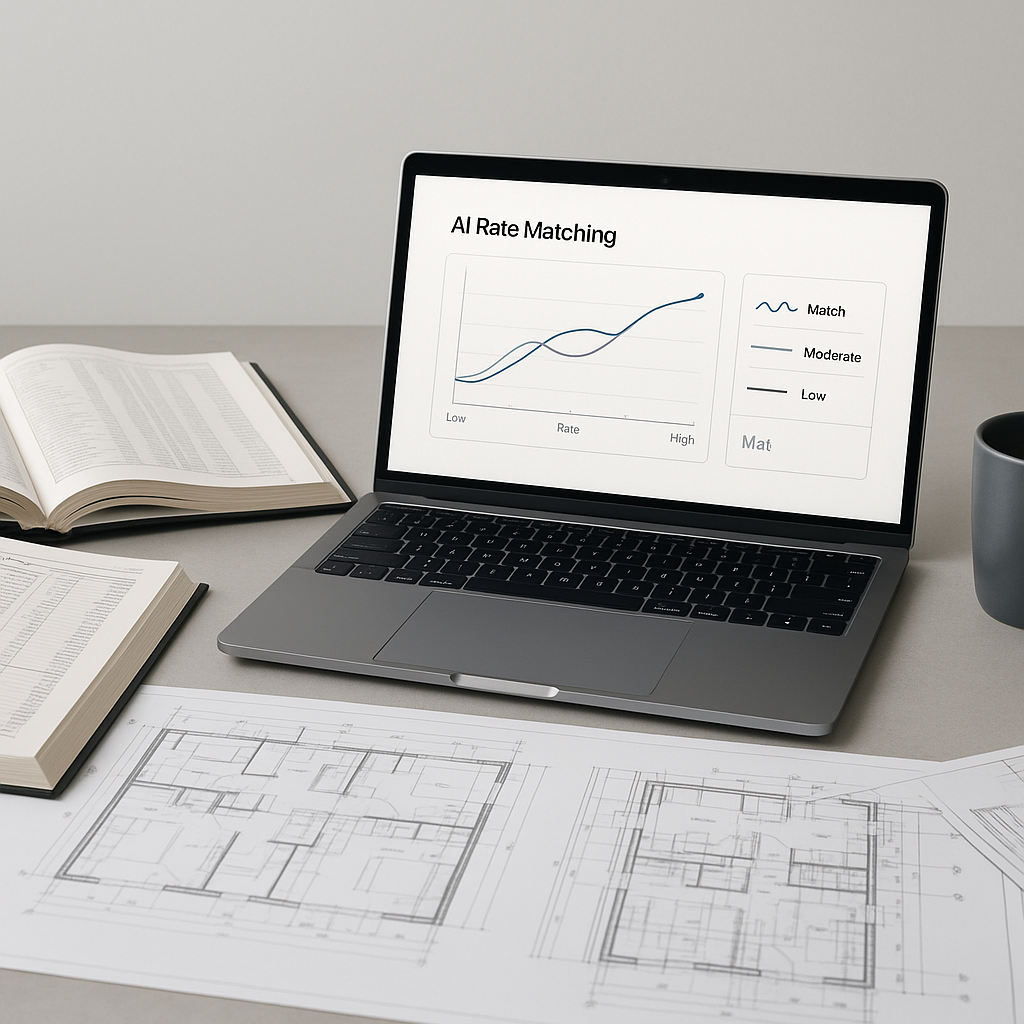
78K Rates in Seconds: How AI is Fixing Construction Estimation Bottlenecks
Flipping through 2,000-page rate books? Wasting hours on manual searches? AI tools like EstimateNext match rates across 78K+ SOR items in seconds. Here's why that changes the game.
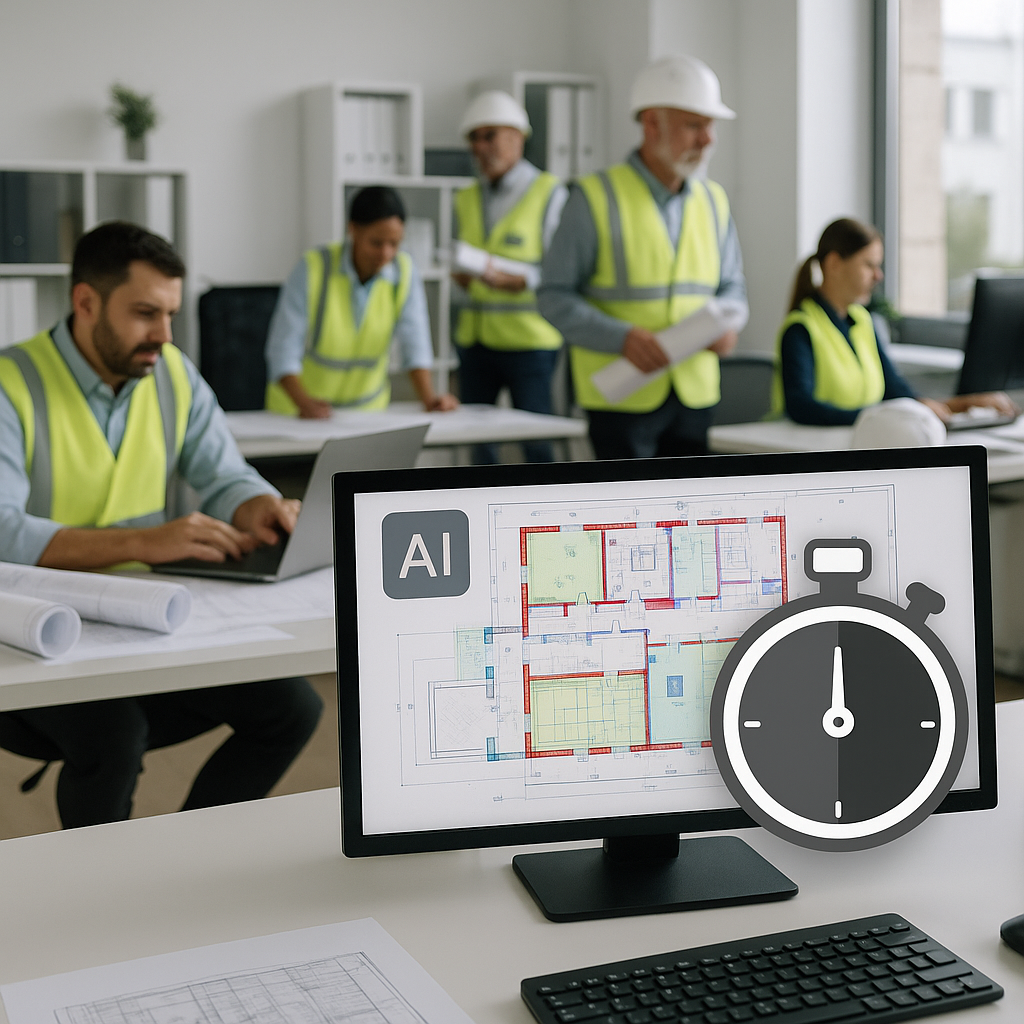
10 Minutes vs 40 Hours: Why AI Takeoff Tools Are a Must-Have
Manual takeoffs waste 40 hours per project. AI-powered tools like EstimateNext cut it to 10 minutes. Here's how it works and why it matters.