Blog
Latest articles and insights from EstimateNext
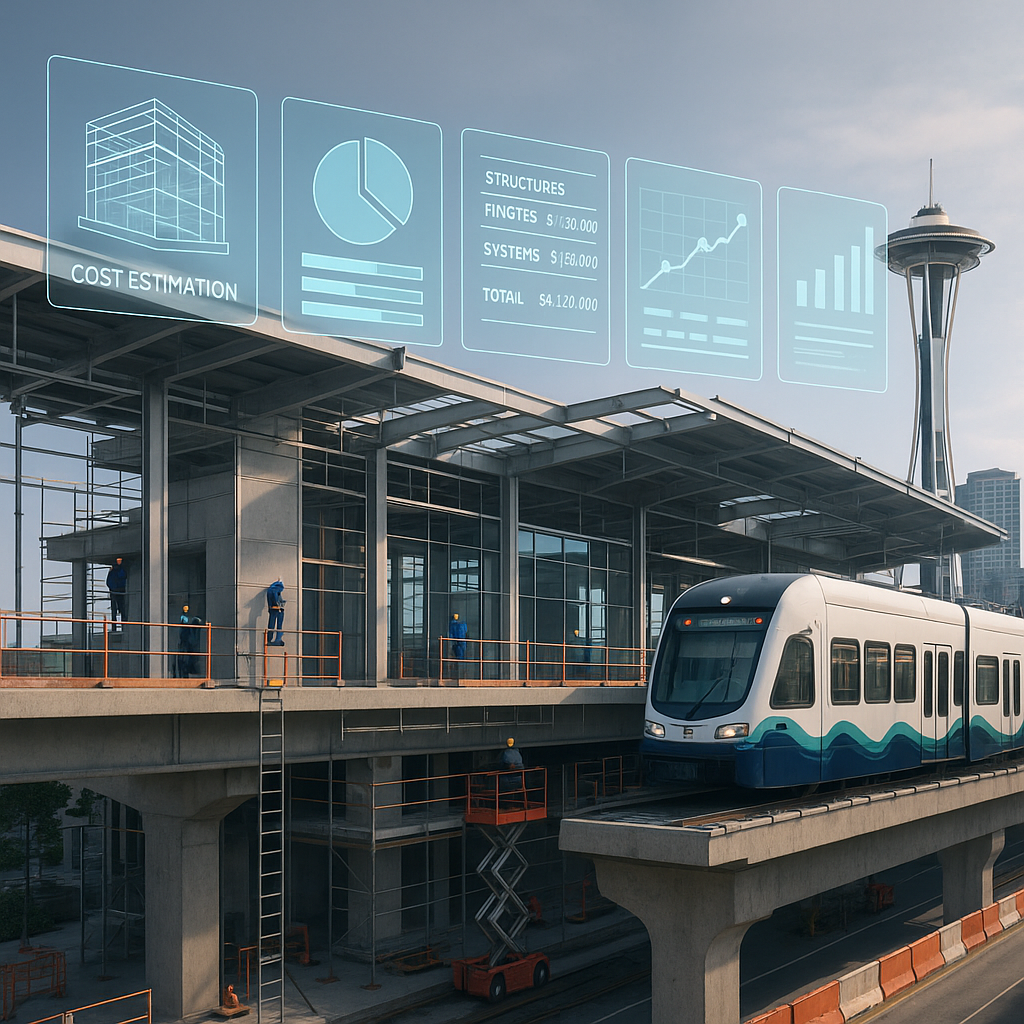
$34.5B Gap: How Seattle's Sound Transit Uses AI to Keep ST3 on Track
Seattle's $34.5B Sound Transit funding gap raises tough questions: How do you cut costs without cutting corners? AI-powered cost engineering might be the answer. Here's how they're using it.
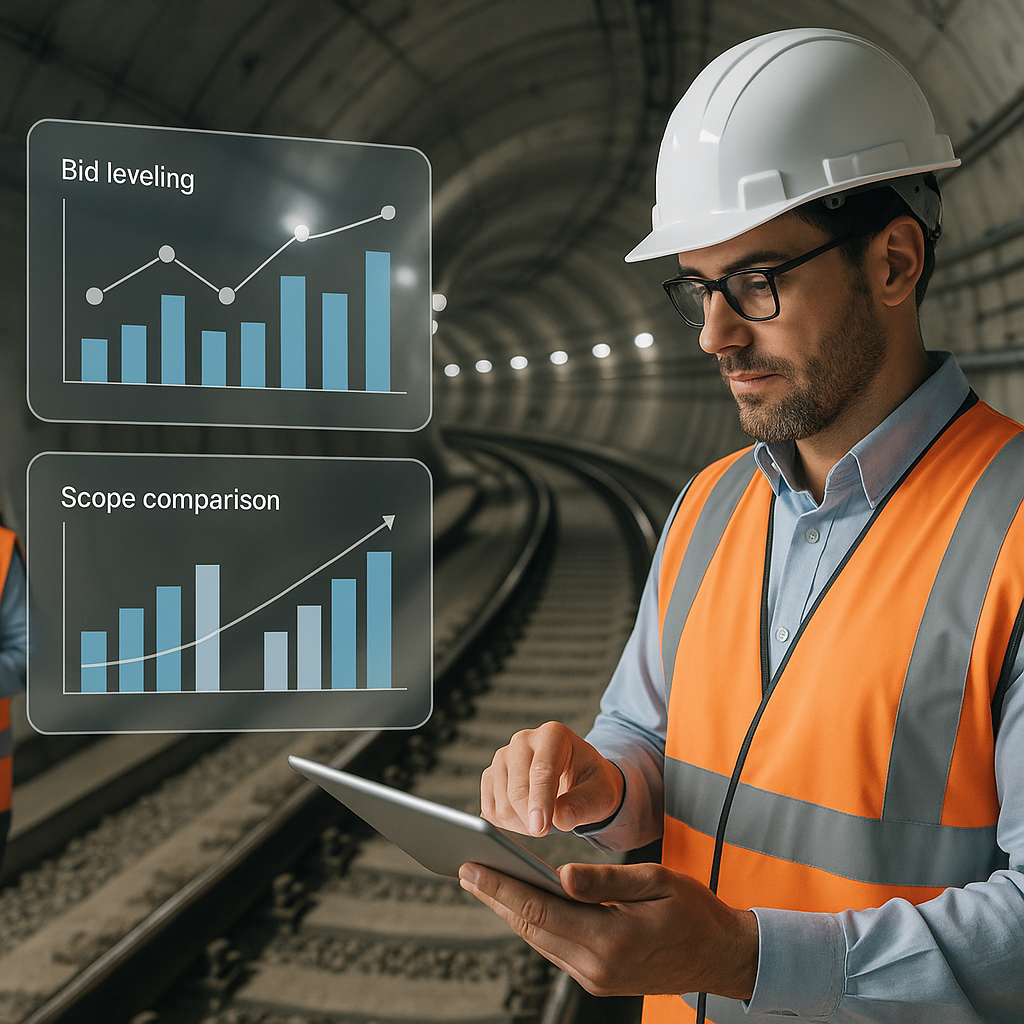
$1.02B NYC Subway Extension: The Cost Engineering Tool That Made It Possible
When a JV won the $1.02B NYC subway extension, it wasn’t just engineering that sealed the deal. Speed and accuracy in bid leveling played a critical role. Here’s how they did it—and what cost engineers can learn.
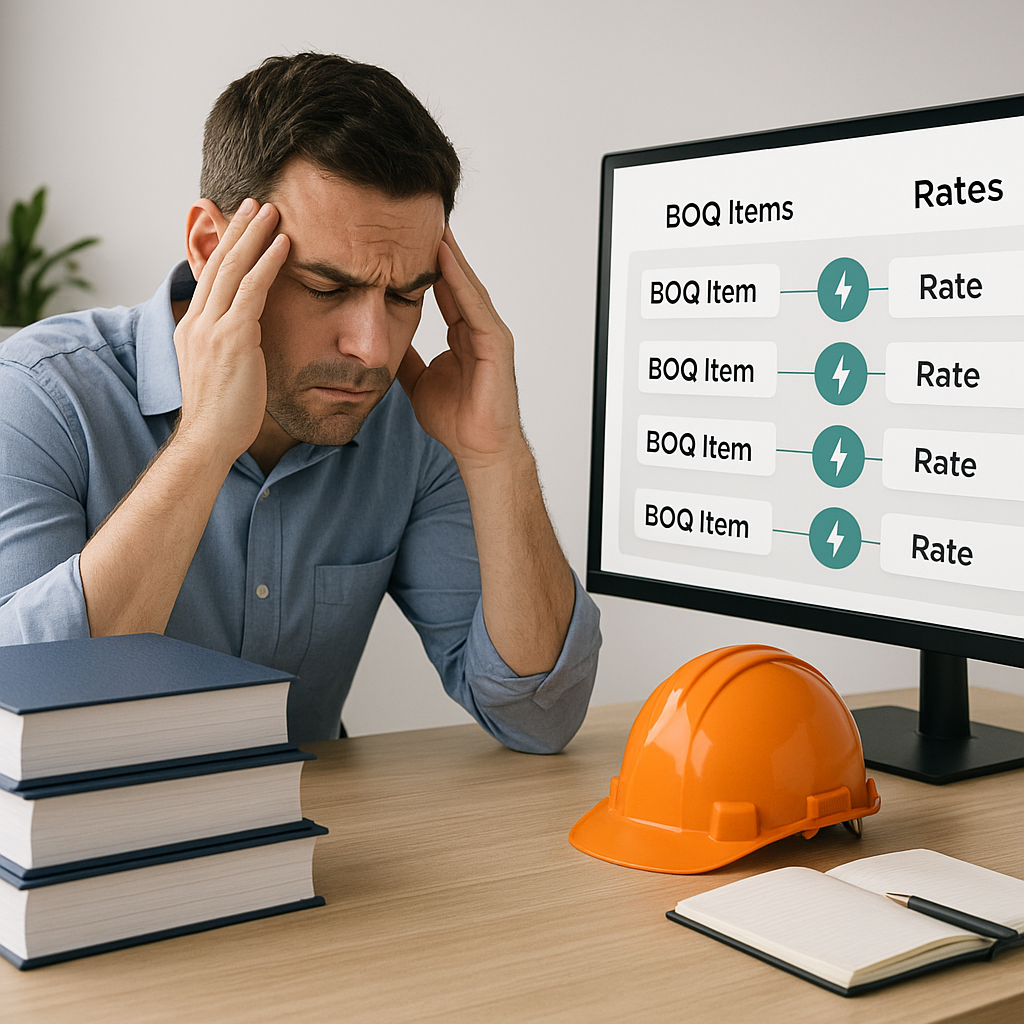
Stop Losing 36 Hours Per Bid: AI Rate Matching Fixes the Biggest Estimation Bottleneck
Flipping through rate books for hours? AI-powered rate matching slashes that time to seconds. Here's how it works and why it's a game-changer for GCs and subs alike.
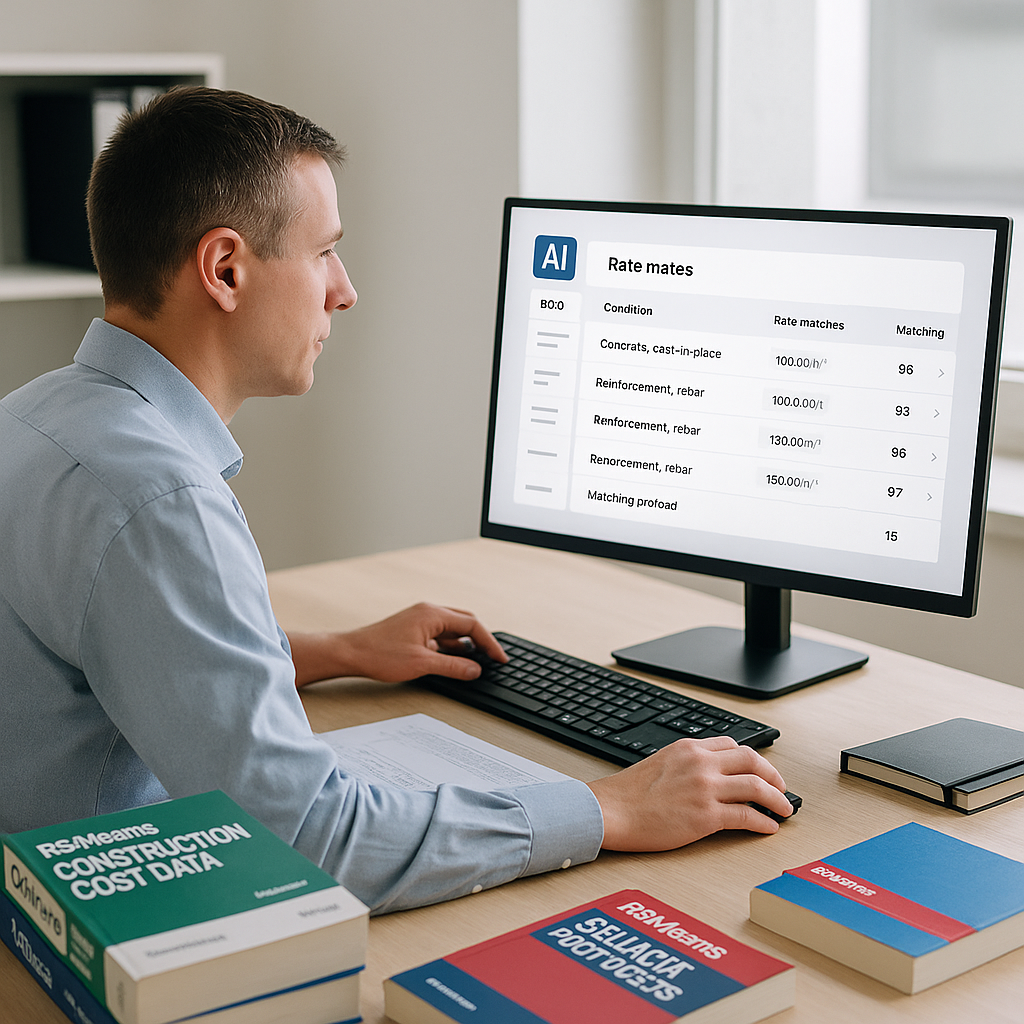
78,000 Rate Matches in Seconds: Fixing the Hidden Bottleneck in Construction Estimation
Flipping through rate books eats up 12 hours per estimate. AI-powered semantic search fixes this in seconds. Here's how it works.
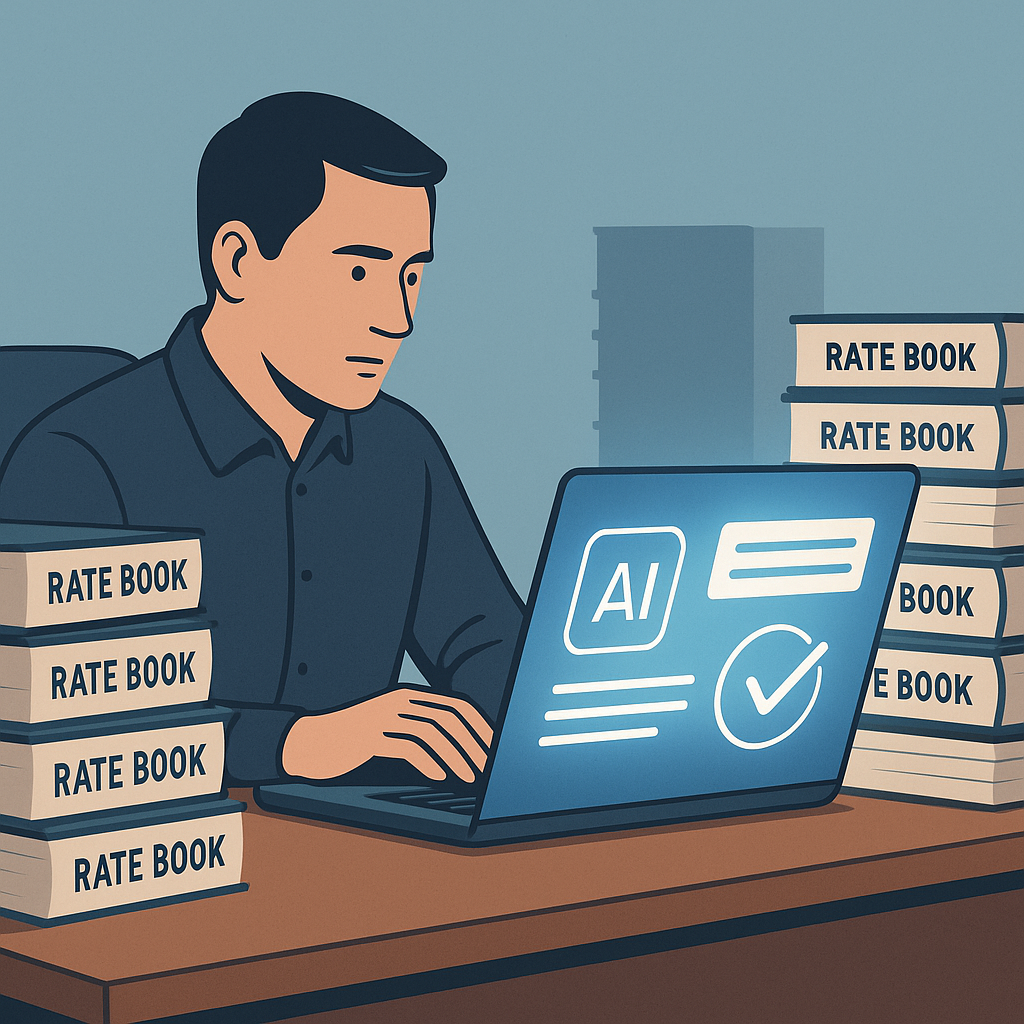
78K Rate Matches in Seconds: The Hidden ROI of AI-Powered Estimation
Flipping through rate books costs estimators 12 hours per bid. AI tools like EstimateNext cut that down to seconds—saving time and boosting accuracy. Here's how.
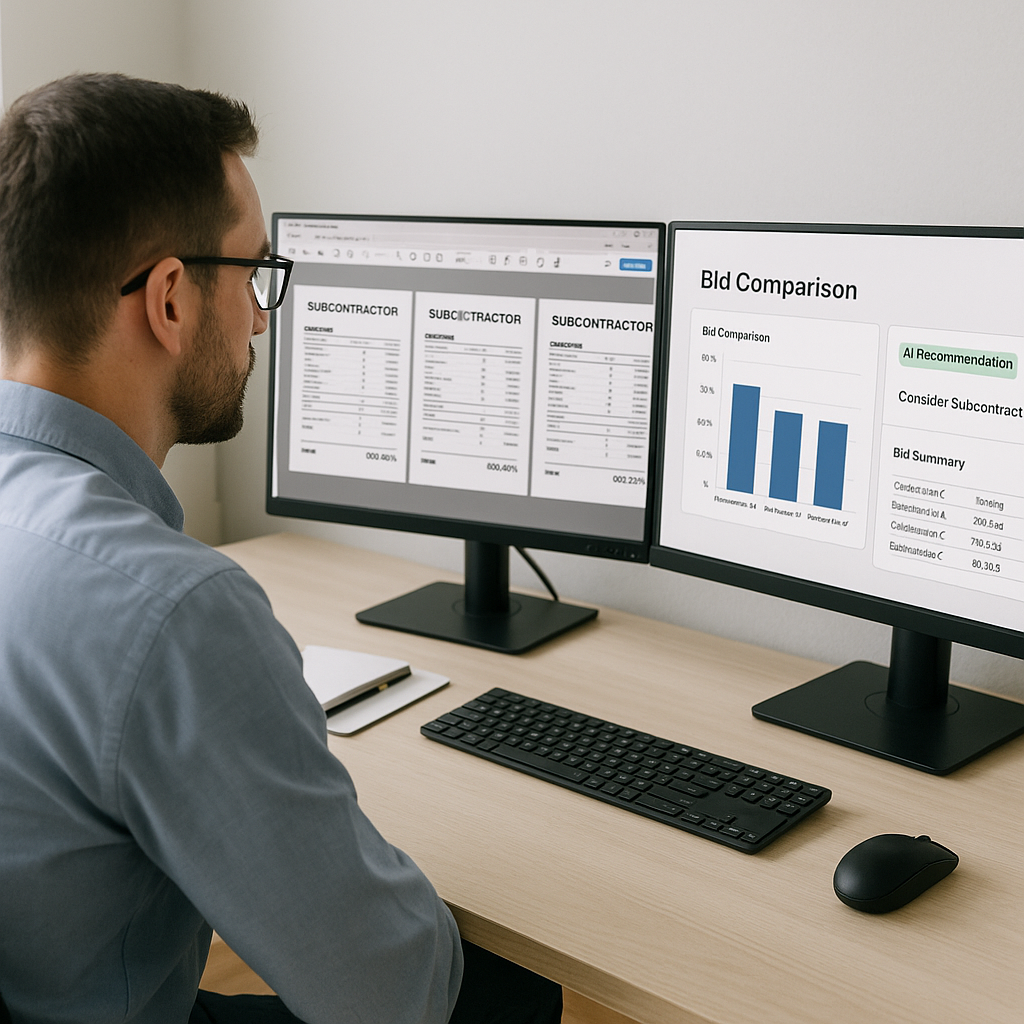
Stop Wasting Days on Sub Bid Leveling: AI Fixes It in 30 Minutes
Normalizing sub bids manually takes 6 hours per bid. Here's how AI-powered estimation tools cut that down to just 30 minutes — without the headaches.
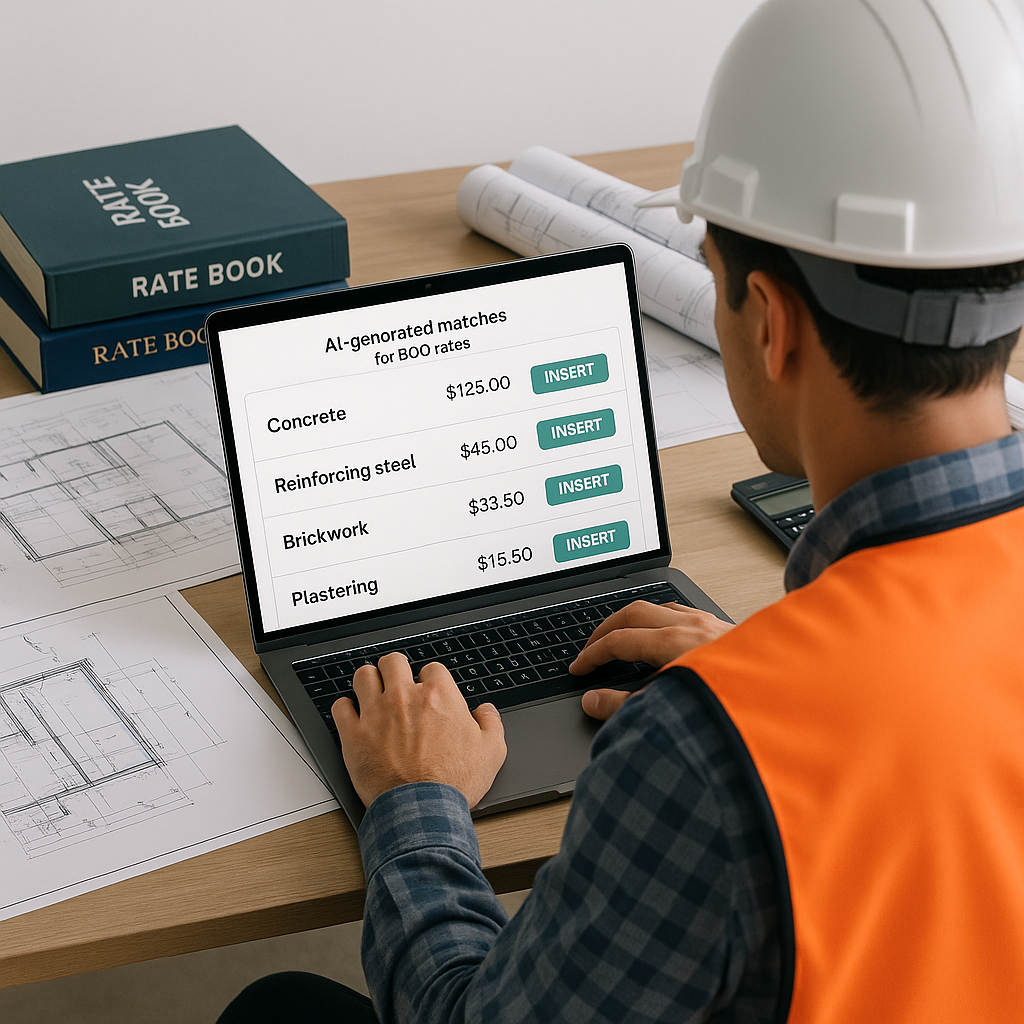
Stop Burning 36 Hours on Rate Lookups: AI Fixes It Instantly
Flipping through rate books for hours? AI-powered estimation tools slash this to seconds. Here's how smart rate matching is transforming preconstruction.
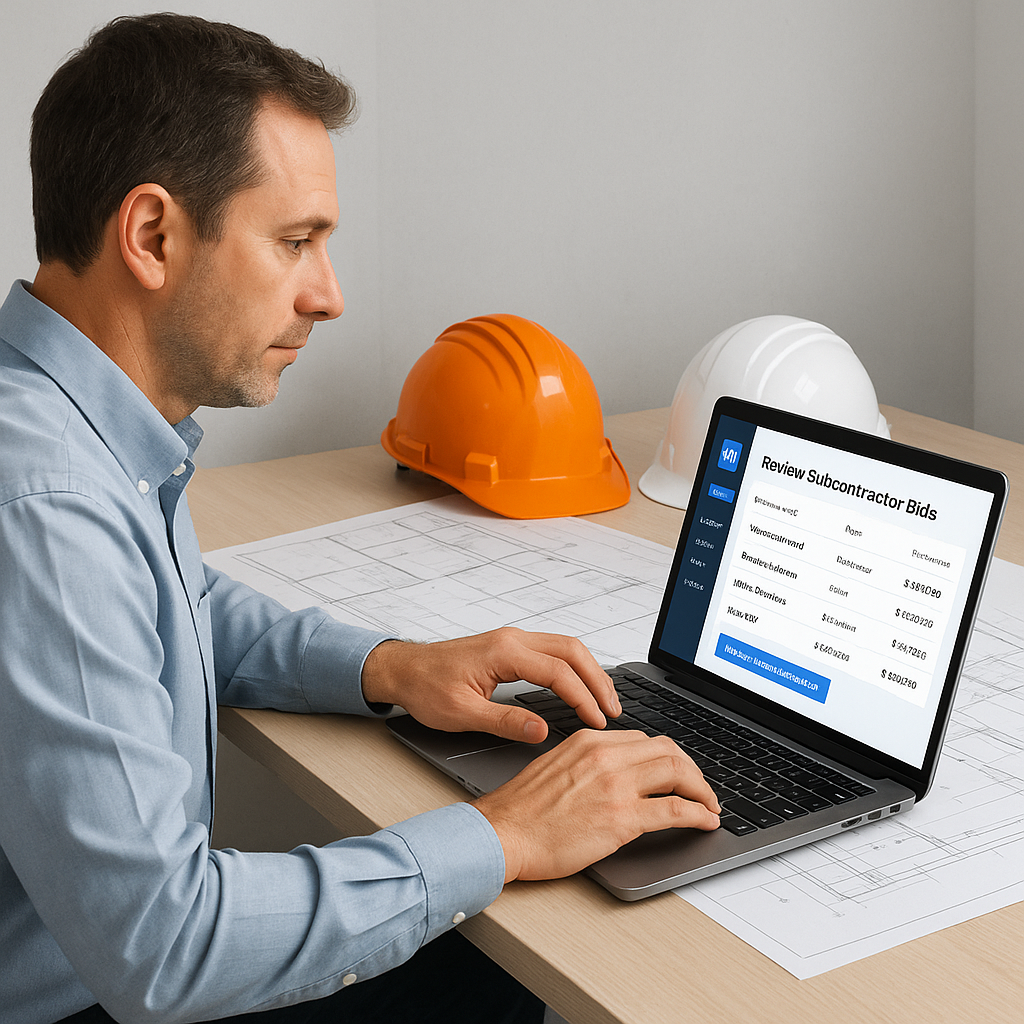
120 Hours Saved: The AI Feature Every GC Estimator Needs
Manual subcontractor bid leveling eats up 120 hours per bid. AI-powered tools like EstimateNext cut it to 30 minutes. Here's why that's game-changing.
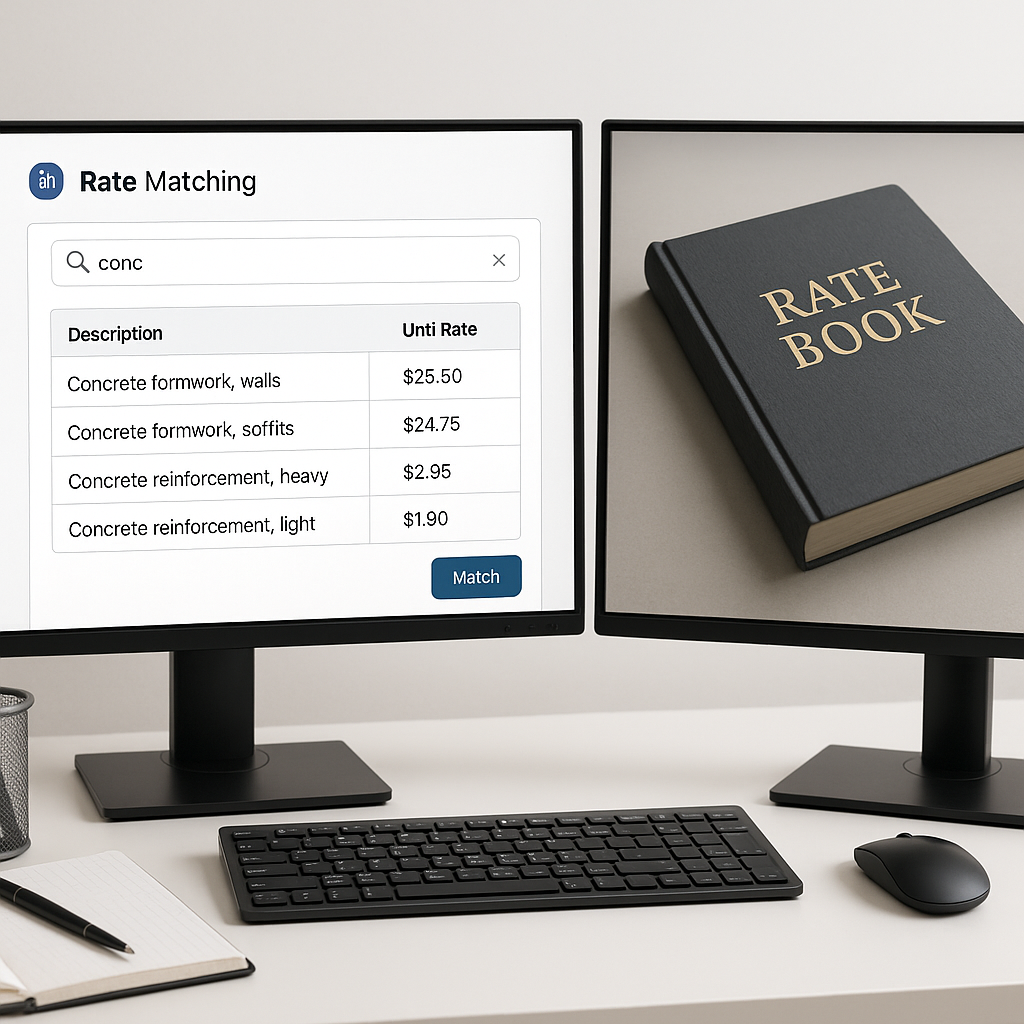
Stop Wasting 36 Hours on Manual Rate Lookups: AI Fixes It
Manual rate lookups waste up to 36 hours per estimate. With AI-powered rate matching, that time drops to seconds. Here's how it works.
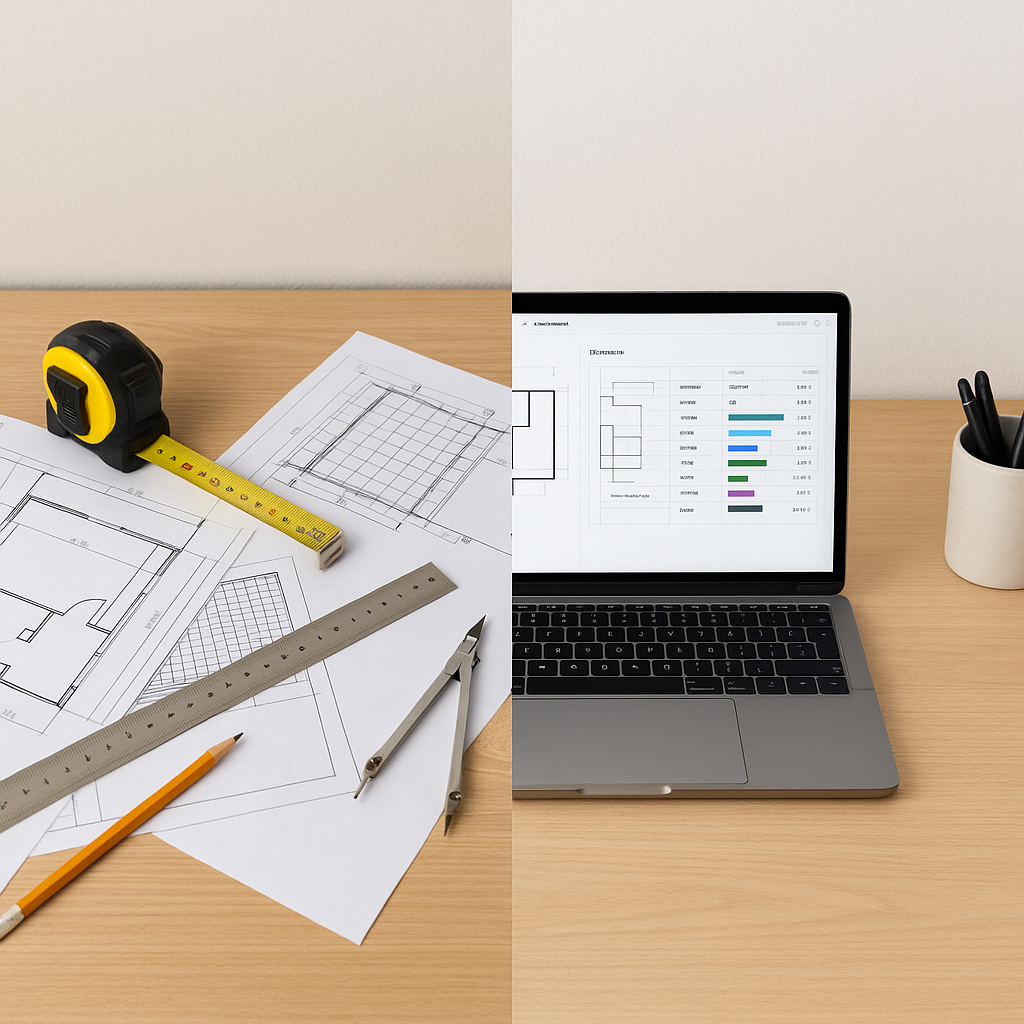
Stop Burning 40 Hours: How AI Cuts Drawing Takeoffs to 10 Minutes
Manual drawing takeoffs waste 40 hours per estimate. AI-powered tools like EstimateNext slash it to just 10 minutes. Here’s how it works.
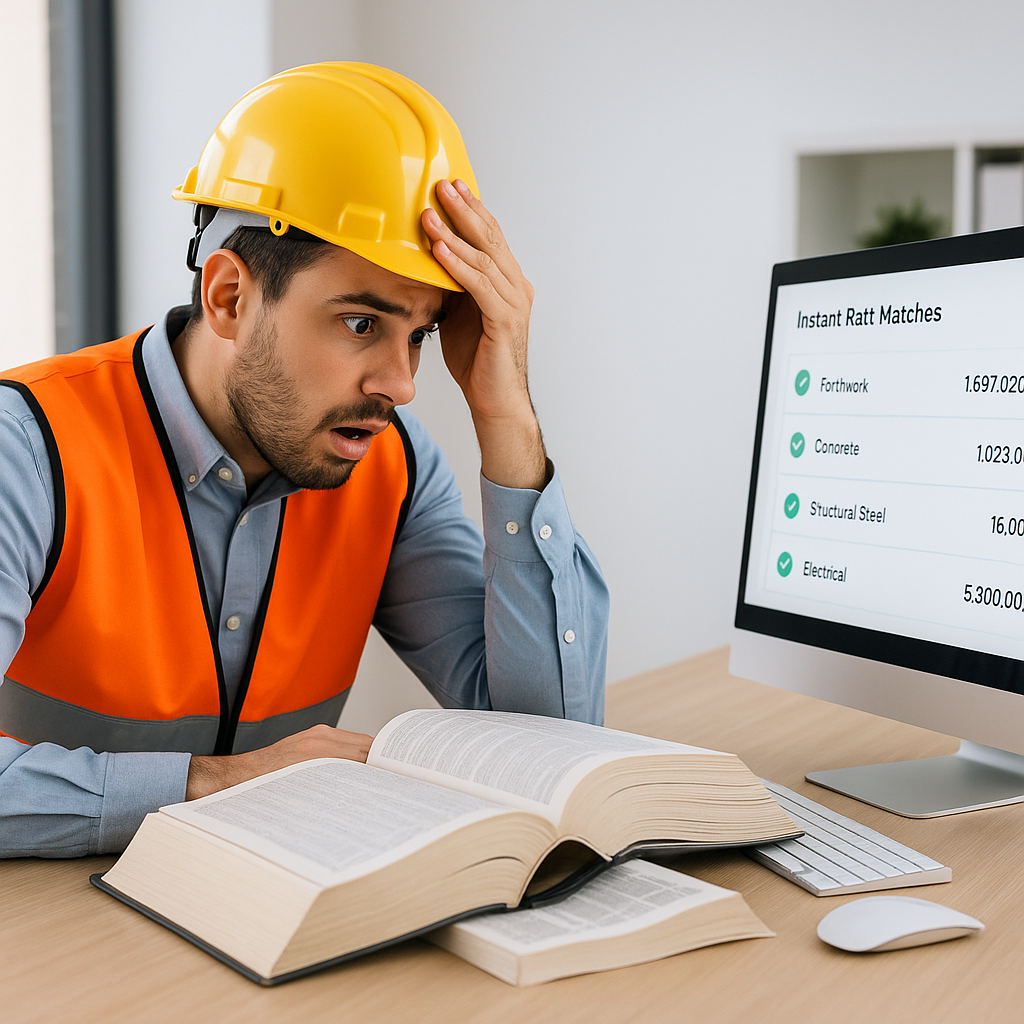
78K Rate Matches in Seconds: The Real Power of AI in Preconstruction
Estimators spend up to 36 hours flipping through rate books for every bid. AI-powered tools slash that to seconds while ensuring accuracy. Here's how.
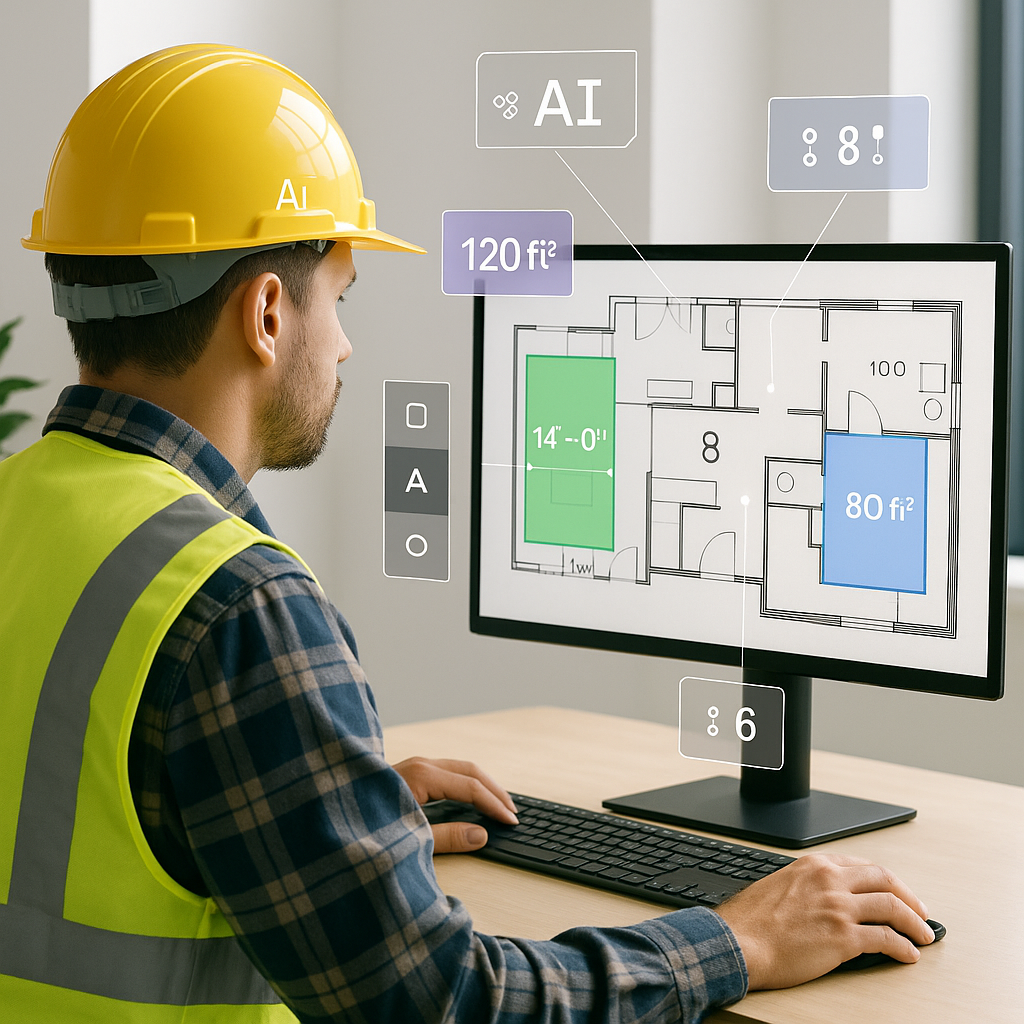
Stop Burning 40 Hours on Takeoffs: AI Cuts It to 10 Minutes
Manual drawing takeoffs waste 40 hours per estimate. AI tools like EstimateNext slash it to just 10 minutes. Here's how it works—and why it matters.